
Most prostate cancers rely on male sex hormones, known as androgens, to grow. As a result, standard treatment focuses on lowering androgen levels or blocking their activity, but many tumors eventually become resistant and the disease returns.
In a study published today in EMBO Molecular Medicine, an international research team led by Israel Prize laureate Prof. Yosef Yarden of the Weizmann Institute of Science identifies a major cause of this resistance. A common genetic alteration found in roughly half of prostate cancers - the fusion of two genes - enables tumors to bypass their dependence on male hormones and instead rely on another steroid hormone: cortisol.
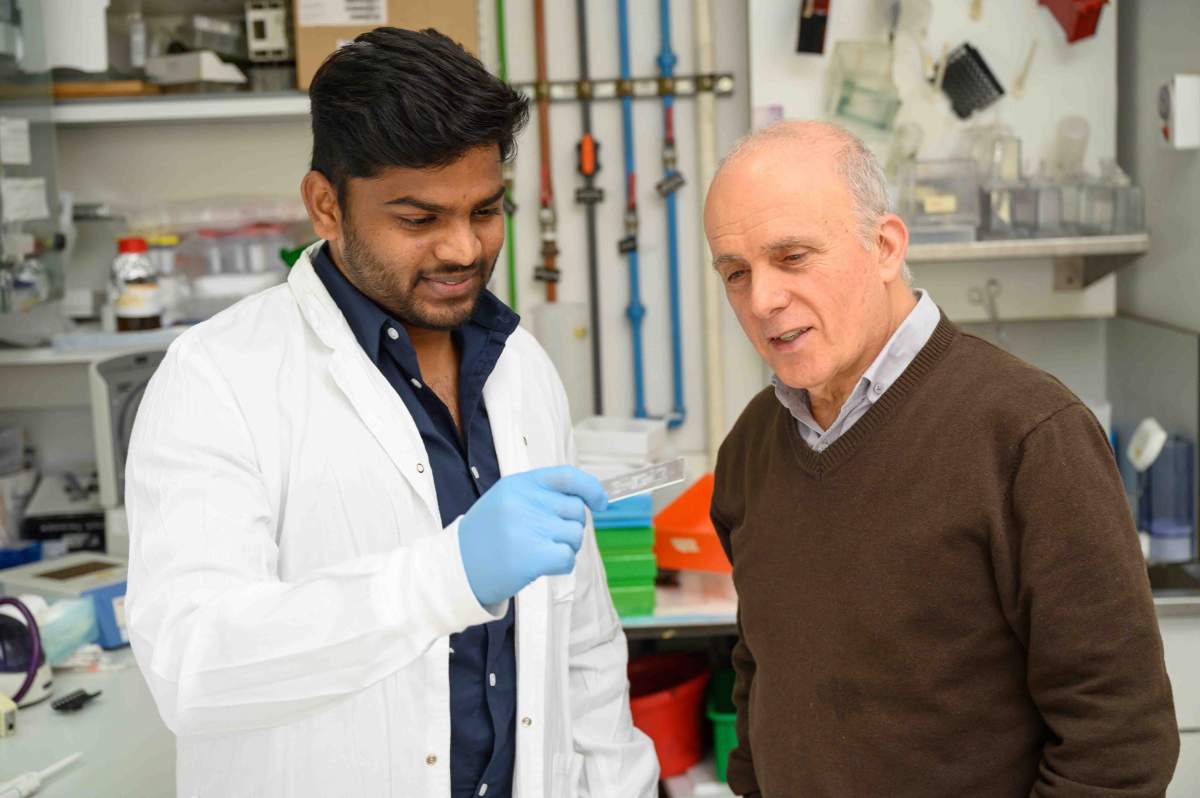
Using mouse models of human prostate cancer, the team - led by Dr. Arunachalam Sekar - demonstrated that a combination therapy targeting both androgen signaling and cortisol activity can suppress tumor growth over time and extend survival. These findings suggest a new therapeutic strategy for patients whose tumors carry this gene fusion.
The study also raises an important clinical concern. Steroid drugs are often given to patients with advanced prostate cancer, but the new findings indicate that in tumors carrying the gene fusion, such treatment may actually promote cancer growth.
From gene fusion to treatment strategy
In the study - based in part on data from human patients obtained in collaboration with the National Cancer Institute in Bethesda, Maryland - the researchers uncovered how gene fusion leads to treatment resistance. The fused gene produces a protein that partners with the glucocorticoid (cortisol) receptor, activating cancer-promoting genes and helping tumors evade standard hormone therapy. Normally, androgen signaling suppresses this pathway, but when androgen activity is blocked by therapy, the alternative cortisol-driven pathway is switched on.
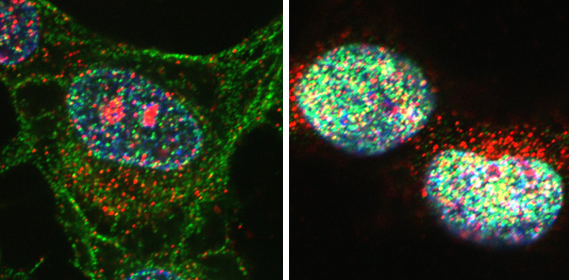
Importantly, the team showed that inhibiting the glucocorticoid receptor - or reducing cortisol signaling - can counteract this effect. In experimental models, combining such approaches with standard anti-androgen therapy proved significantly more effective than either treatment alone.

Science Numbers
Prostate cancer is the second most common cause of cancer-related deaths in men.
"These findings suggest that patients with gene fusion could benefit from combination therapy," says Yarden. "They also highlight the need for caution when prescribing steroids, since these drugs may activate the cortisol pathway that allows the cancer to resist treatment. A drug that blocks cortisol receptors was approved last month by the U.S. Food and Drug Administration for ovarian cancer. Since this drug showed promising results in mice in our study, I hope it also proves successful in prostate cancer."
Prof. Yosef Yarden is head of the Dwek Institute for Cancer Therapy Research and the incumbent of the Harold and Zelda Goldenberg Professorial Chair in Molecular Cell Biology.


