
UN Climate Change News, 1 July 2026 - A record 37 countries presented their first Biennial Transparency Reports (BTRs) at the third session of the Facilitative Multilateral Consideration of Progress (FMCP), held during the June Climate Meetings (SB64) in Bonn. The session marked the largest participation in the FMCP since it began.
Over four working group sessions from 10 to 13 June, Parties shared progress in implementing their national climate plans (NDCs), presenting achievements in mitigation, adaptation and support provided to developing countries. The dialogue-based process enables countries to share experiences, build mutual trust and learn from one another. Strong participation from ministers and senior officials underscored the growing political importance of transparency under the Paris Agreement.
COP30 President André Corrêa do Lago delivered a statement on behalf of Brazil, highlighting that: "Transparency is indispensable to implementation. Without transparency, there can be no credible way of assessing whether we are delivering on the commitments we have made, learning from best practices and correcting courses where needed. The FMCP reinforces transparency within the climate regime and, in doing so, strengthens the credibility of the UNFCCC by making each party's progress more visible and comprehensible to all. If implementation is the measure of our collective resolve, transparency is what gives that resolve visibility and credibility."
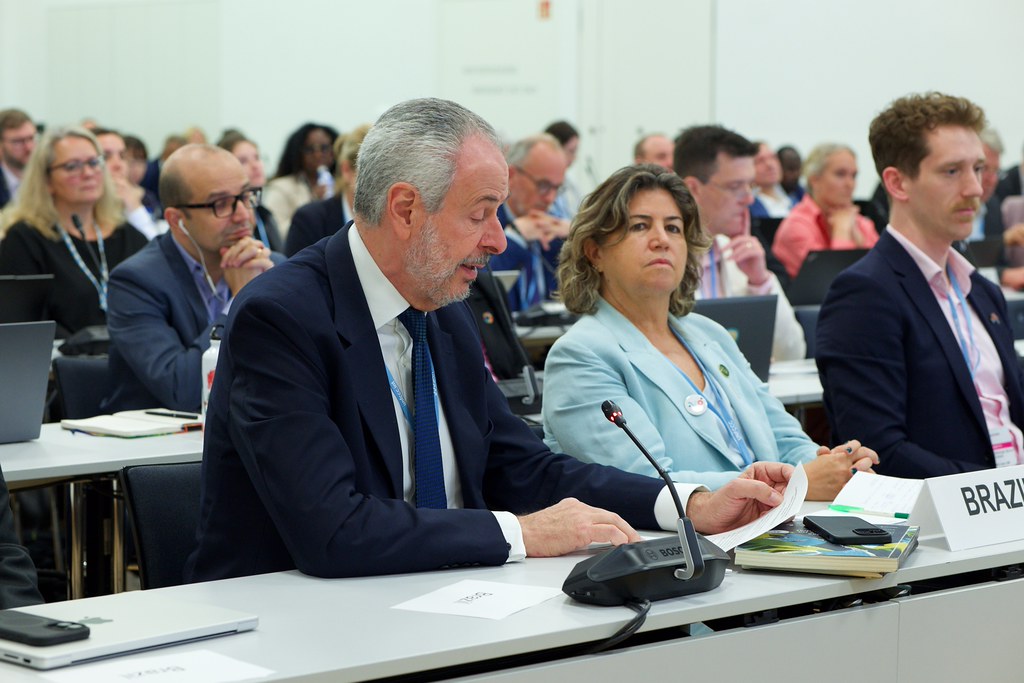
Chris Bowen, Minister for Climate Change and Energy of Australia, serving as President of COP31 Negotiations, highlighted Australia's ambitious climate targets and progress in the clean energy transition: "In the last six years, we've doubled the share of renewable energy in our electricity grids, and with our current policies, we'll double again to 82% by 2030. One in three Australian households draws its energy from its roofs, from rooftop solar. We're now installing 1,200 batteries in households a day."
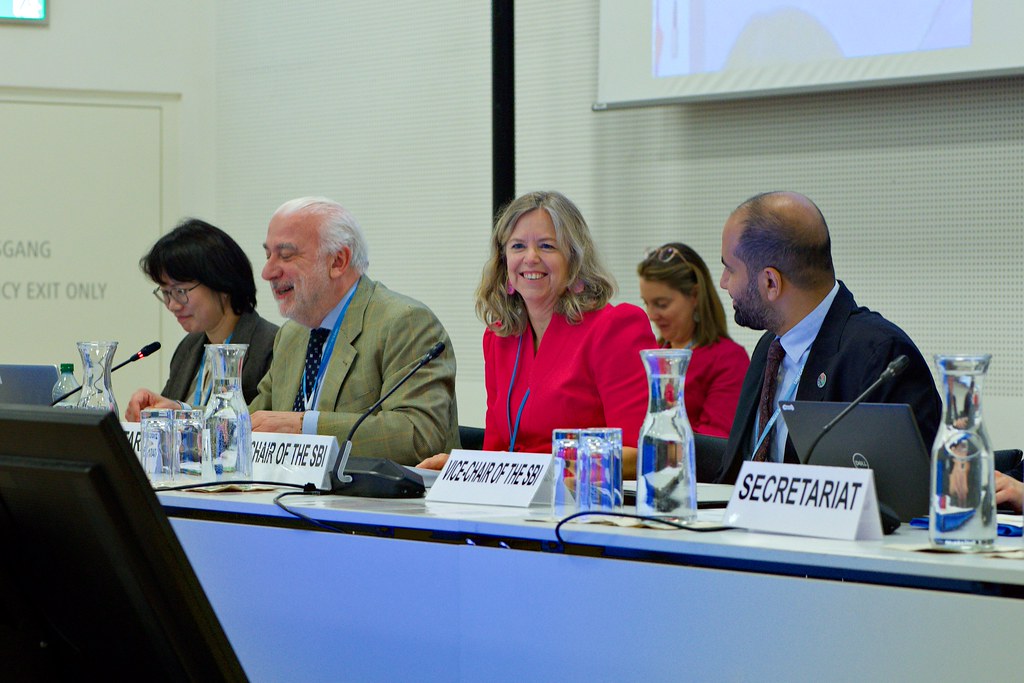
Across the four sessions, countries from every continent provided evidence of their efforts to implement the Paris Agreement. The first session featured Australia, Azerbaijan, Brazil and Türkiye, alongside Austria, Belgium, Denmark, Germany and Ireland. The second brought together Canada, Indonesia, Japan, Malaysia, New Zealand, Norway, Singapore, Thailand and the United Kingdom. The third included Argentina, Chile, Costa Rica, Ecuador, France, Italy, Latvia, Lithuania, Mexico, Sweden and Uruguay. The final session featured Bhutan, China, Georgia, Ghana, Kenya, Maldives, Mauritius and Uzbekistan.
The discussions reflected strong interest in learning from the experiences of presenting Parties. 25 Parties submitted 148 questions to the 37 presenting Parties, with around half focusing on the implementation of mitigation policies and NDCs. Around one-fifth addressed institutional and legal arrangements for the Enhanced Transparency Framework (ETF), while other topics included climate finance, technology transfer and carbon markets.
The formal sessions were complemented by informal dialogues, which featured 14 rounds of five-minute exchanges, allowing delegates to engage with a wide range of counterparts in a more interactive setting.

As the largest FMCP session to date, FMCP3 demonstrated the growing momentum behind climate transparency and its role in strengthening trust and implementation under the Paris Agreement. The next session, FMCP4, will take place during COP31 in Antalya, Türkiye, where around 40 Parties are expected to share their experiences.


