
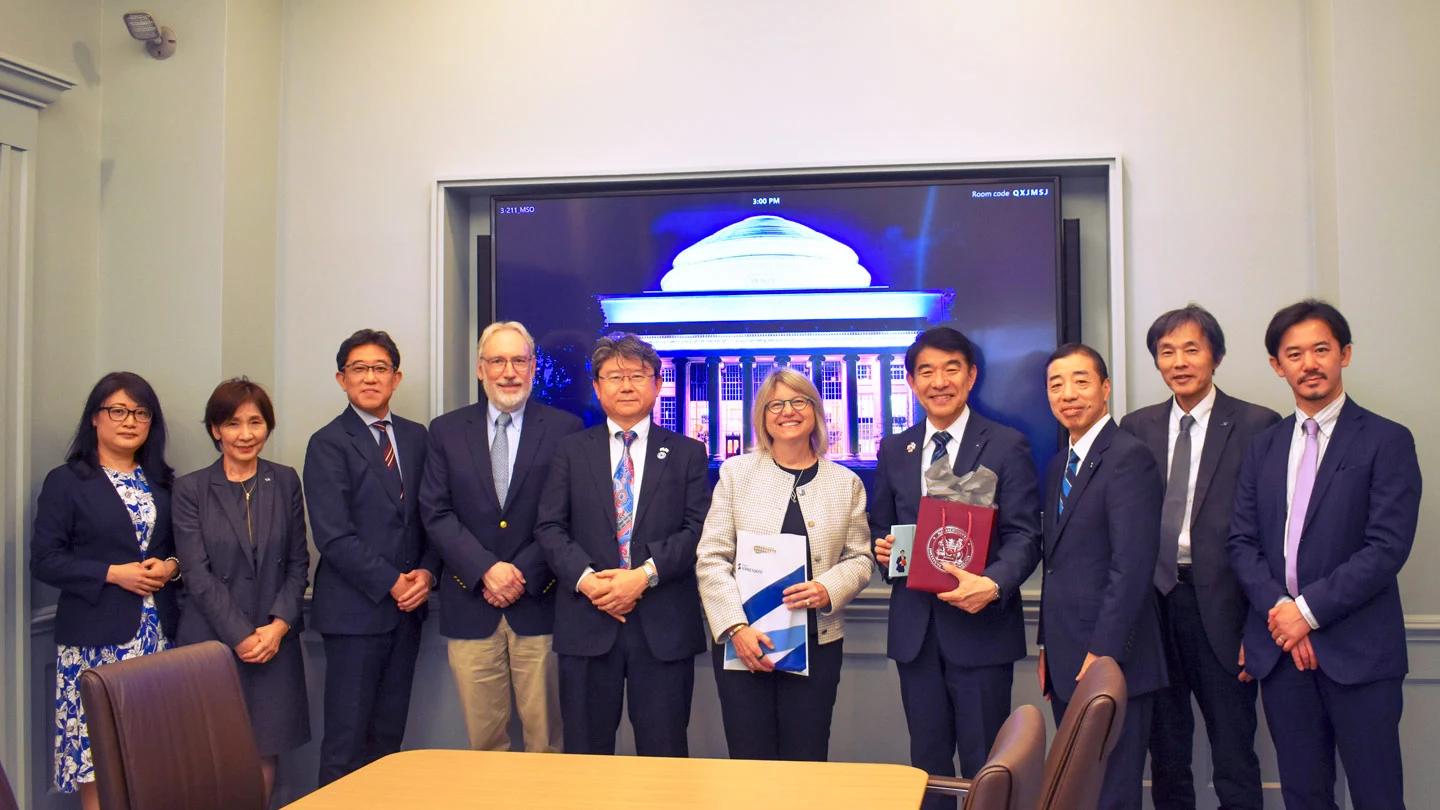
Institute of Science Tokyo (Science Tokyo) and Massachusetts Institute of Technology (MIT) began a three-year collaboration on September 1, 2026. Leaders from the two institutions met at MIT on September 8 to mark its launch. In addition to Naoto Ohtake, president and chief executive officer (CEO) of Science Tokyo, Jingo Kikukawa, director general of Japan's Ministry of Economy, Trade and Industry (METI), and Seiichiro Takahashi, consul general of Japan in Boston, were present to mark the beginning of the collaboration, designed to strengthen ties between the two institutions and lay the groundwork for educational and scientific exchange. A key objective is to foster stronger connections among Science Tokyo, MIT, and industry partners.
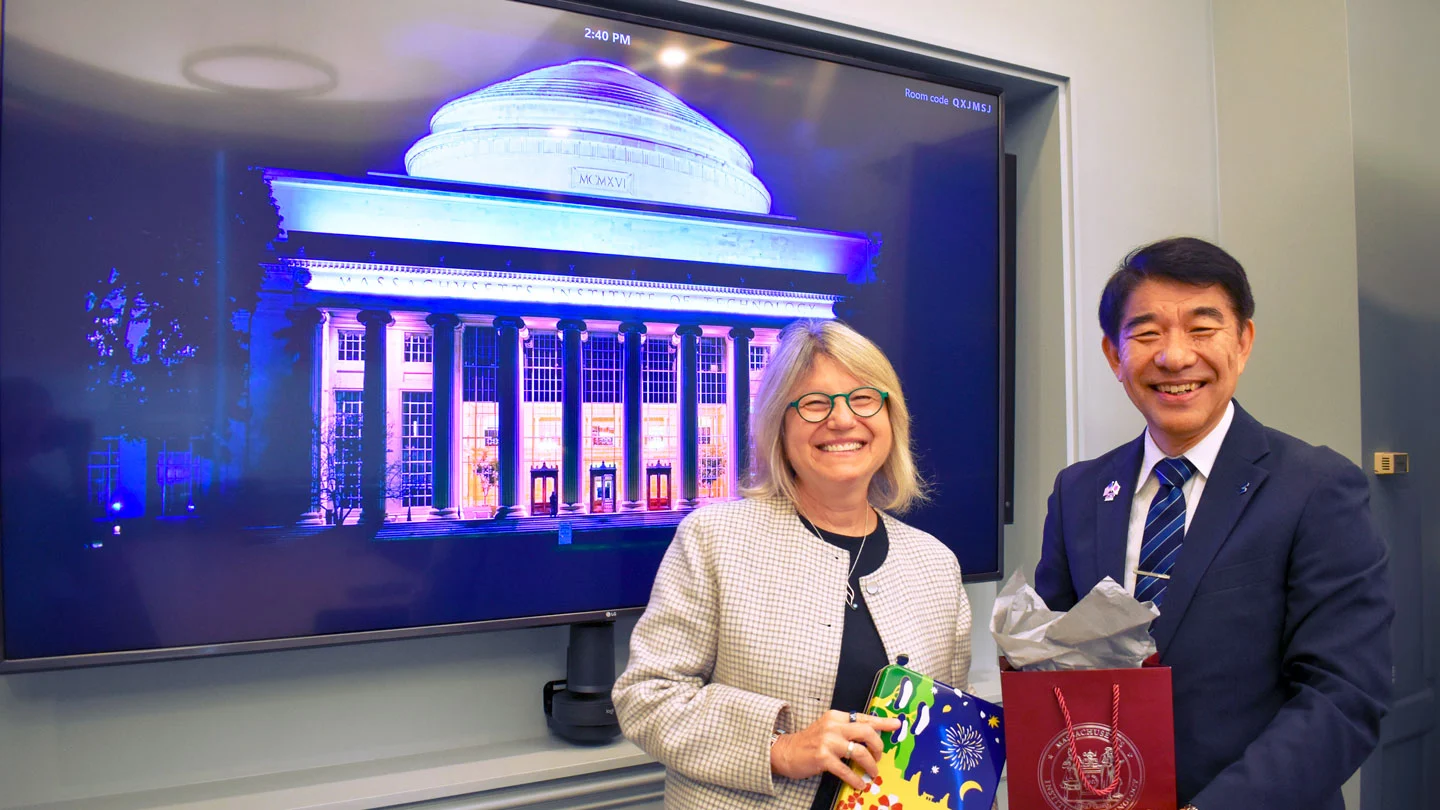
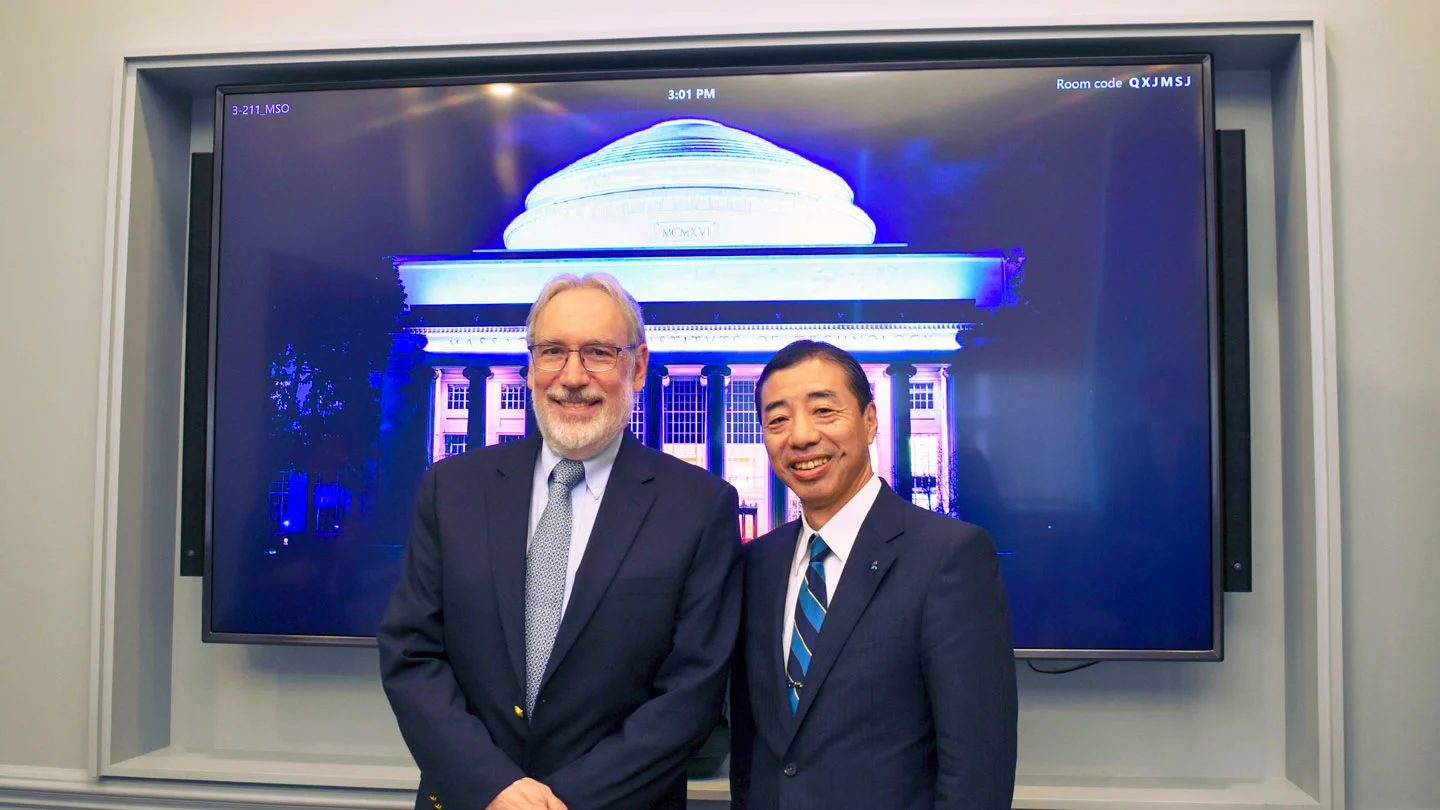
The collaboration has an educational component led by the MIT Sloan School of Management and three exploratory research projects administered directly through MIT's Department of Nuclear Science and Engineering (NSE), Institute for Medical Engineering and Science (IMES), and Microsystems Technology Laboratories (MTL). Collaborators at Science Tokyo include the Center for Startup Education, the Laboratory for Zero-Carbon Energy (ZC) and the GX Frontier Visionary Initiative, the Institute of Biomedical Engineering (BME), and the Next-generation Semiconductor Eco-system Co-creation Center (NEX-SECC). The collaboration also establishes the MIT-Japan Science Tokyo Seed Fund, administered by MIT's Center for International Studies (CIS).
"Knowing MIT's longstanding ties to Japan, it has been a great pleasure to continue that tradition through developing this new collaboration," said Sally Kornbluth, president of MIT. "We see this as a promising first step toward building a broader interdisciplinary collaboration with the potential to support and inspire students and researchers in both Cambridge and Tokyo, and to produce positive real-world advances."
"Bringing together MIT's strengths in science, engineering, and entrepreneurship education with Science Tokyo's broad expertise in science, engineering, and the medical and dental sciences holds tremendous potential. This kind of collaboration between science-focused universities in the United States and Japan can support the broader innovation ecosystem and contribute to advancements in areas like new industries and medical treatments. Science Tokyo looks forward to researchers and students learning from one another, helping drive exciting new research, and supporting the nurturing of talent," said Science Tokyo's Ohtake.
"I welcome this new collaboration. Two leading institutions in science, technology, and innovation have come together with the intent to build a lasting relationship. Earlier today, I had the privilege of participating in a meeting between MIT President Kornbluth and Science Tokyo President and CEO Ohtake, followed by a roundtable discussion with research teams from both universities. My expectations for the future development of this collaboration have grown even stronger after this visit to MIT, and METI looks forward to exploring ways to support its success," said METI's Kikukawa.
"I warmly welcome this new collaboration between Science Tokyo and MIT. More than 150 years ago, a young Japanese man became the first student from Japan to graduate from MIT. Since then, generations of Japanese researchers and students have come to Greater Boston, building a tradition of academic exchange between our two countries. Today, Science Tokyo and MIT open a new chapter in that tradition. I have great expectations that this collaboration will create new connections among universities, industry, and society in both countries, and will grow into cooperation that endures for generations to come," said Consul General Takahashi.
Educational model at MIT Sloan
At the heart of the collaboration is an educational component between MIT Sloan School of Management and Science Tokyo, delivered by MIT Sloan Global Programs and focused on entrepreneurship curriculum development. Activities will include MIT faculty travel to Science Tokyo for workshops and guest lectures, Science Tokyo faculty visits to MIT to observe courses and ecosystem activities, adaptation of existing MIT syllabi and materials for the Science Tokyo context, and the design of Innovation Teams Lab courses tailored to Science Tokyo's Visionary Initiatives in the biomedical, energy, and microelectronics fields.
Exploratory research
Through three exploratory research projects managed by MIT's NSE, IMES, and MTL, faculty, researchers, and students from Science Tokyo and MIT will engage in reciprocal visits, joint workshops, research discussions, and planning meetings. The collaboration also emphasizes entrepreneurship and startup development, encouraging the translation of research outcomes into practical technologies, new ventures, and societal impact.
MIT-Japan Science Tokyo Seed Fund
The fund will be administered by CIS to support the exchange of faculty, researchers, and students between Science Tokyo and MIT.
Launched in 2008 and reaching across academic departments and borders, the MIT Global Seed Funds (GSF) have catalyzed research in over 20 countries leading to meaningful academic collaborations. The seed fund is currently accepting applications for future projects.
"This collaboration reflects MIT's approach to international engagement. It brings talented people together and creates space for shared learning. When faculty, students, and researchers have the chance to explore ideas together at an early stage, they can build collaborations that endure and open new pathways for discovery," said Duane Boning, MIT vice provost for international activities.
"This collaboration presents a valuable opportunity for researchers and students from Science Tokyo and MIT to conduct exchanges and pursue bold ideas together, while being supported by the seed fund. The educational component of the collaboration brings MIT's expertise in entrepreneurship education to Science Tokyo. Through lectures by MIT faculty and workshops with their MIT counterparts, students can explore a new dimension of learning in the context of their specializations and Science Tokyo's Visionary Initiatives," said Yujiro Tanaka, president and chief academic officer of Science Tokyo.
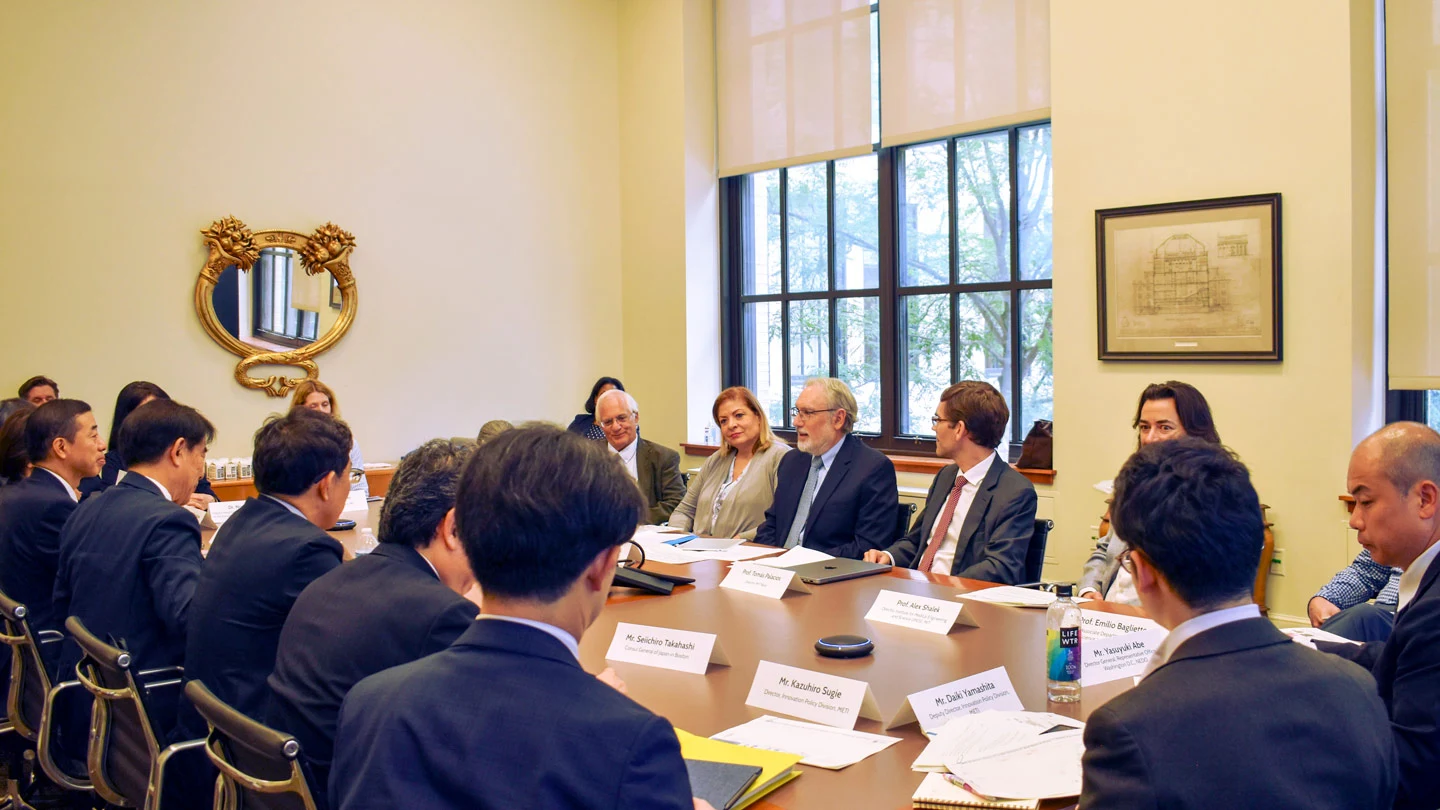
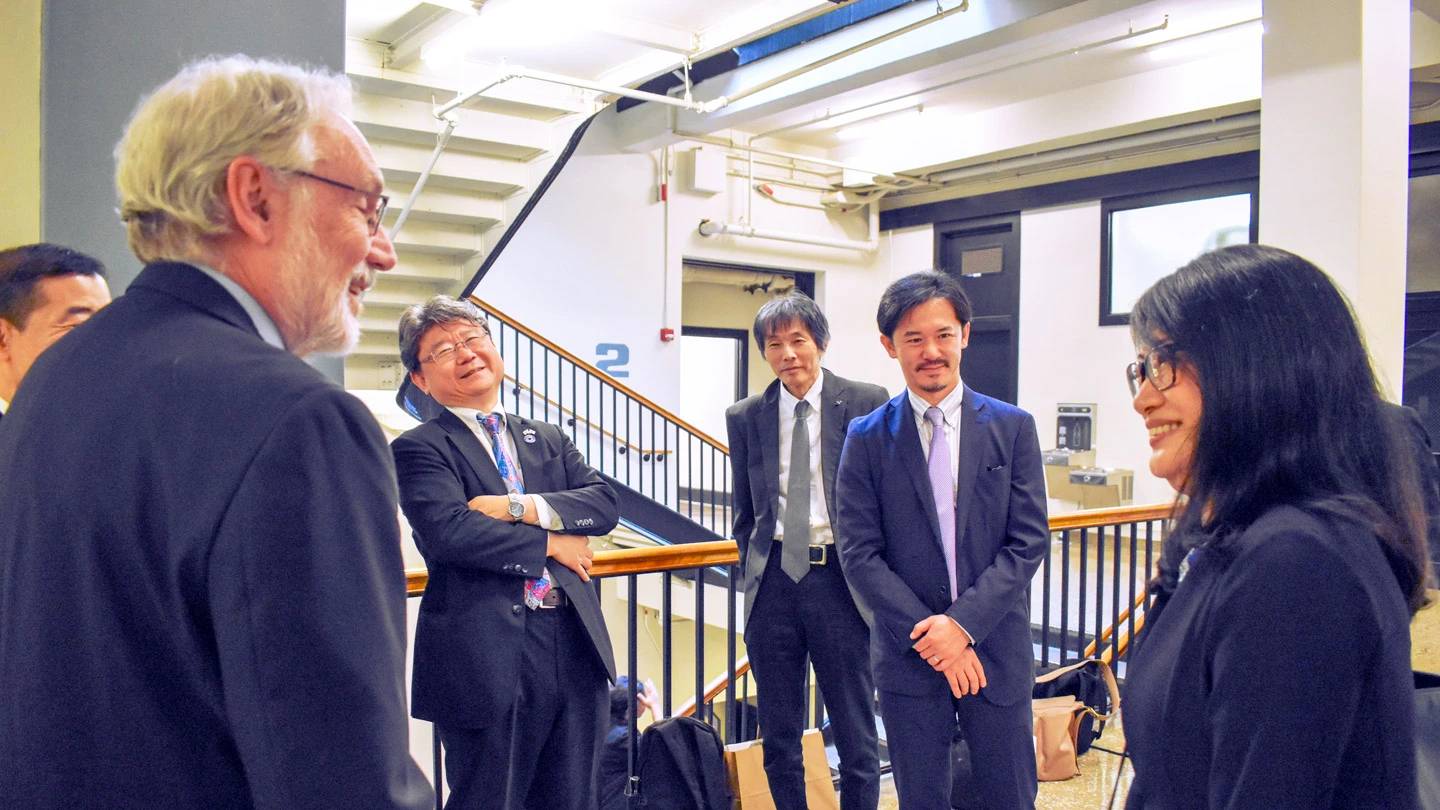
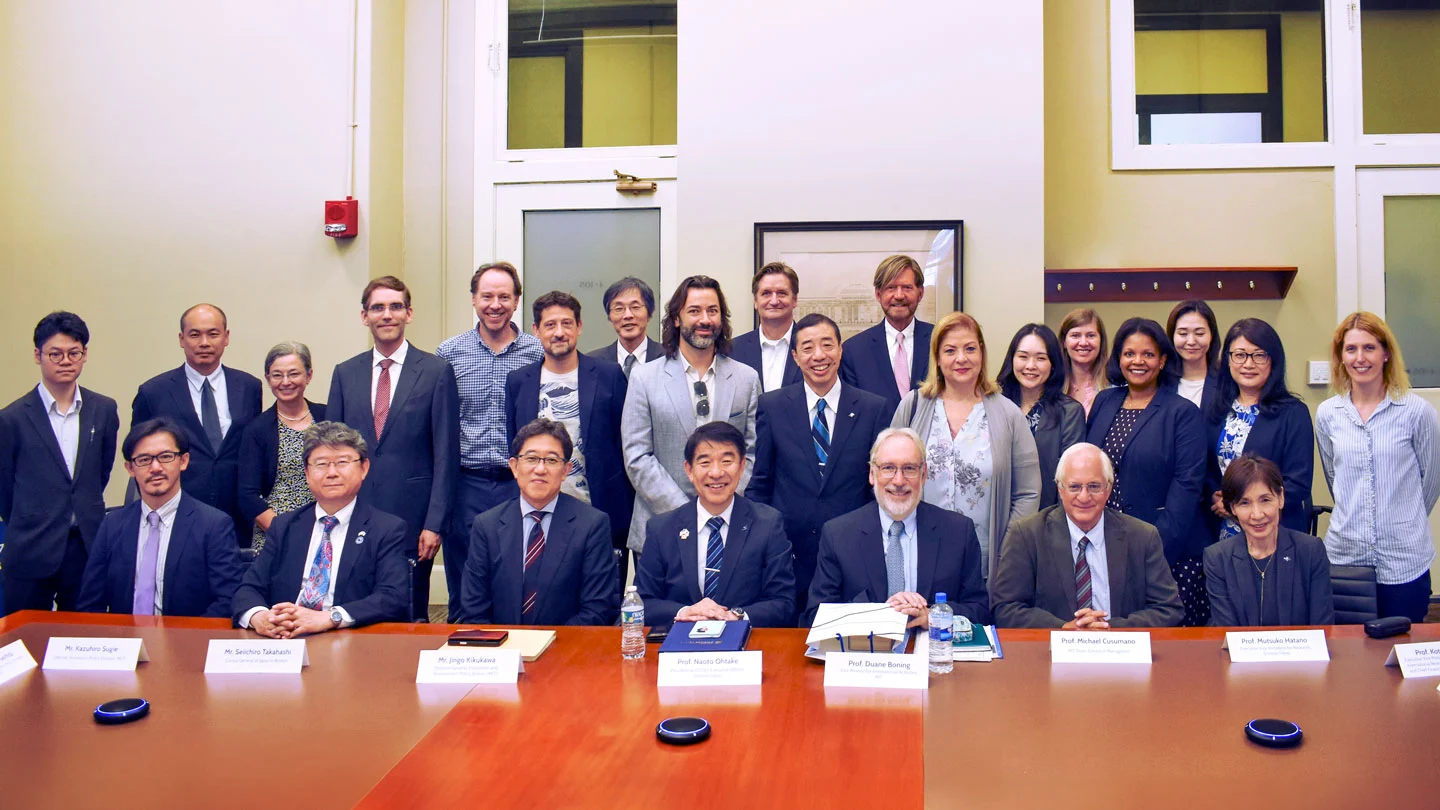
During their visit to MIT, the Science Tokyo and METI delegation met with Institute leadership, including President Sally Kornbluth; participated in a roundtable discussion with MIT faculty; and visited the MIT Center for Clinical and Translational Research.
The delegation visiting MIT included:
Naoto Ohtake, President and Chief Executive Officer, Science Tokyo
Kotaro Inoue, Executive Vice President for Universities for International Research Excellence Program and Chief Financial Officer, Science Tokyo
Mutsuko Hatano, Executive Vice President for Research, Science Tokyo
Tetsushi Furukawa, Executive Vice President for Innovation, Science Tokyo
Noriko Ito, Deputy Head (Global Strategy) and Senior Aide to the Executive Vice President, Science Tokyo
Aya Suzuki, Group Leader, International Division, Science Tokyo
Jingo Kikukawa, Director-General, Innovation and Environment Policy Bureau, METI
Kazuhiro Sugie, Director, Innovation Policy Division, METI
Daiki Yamashita, Deputy Director, Innovation Policy Division, METI
Yui Nakagawa, Assistant Director, Quantum Industry Office, METI
Yasuyuki Abe, Director General, Representative Office in Washington, D.C., New Energy and Industrial Technology Development Organization (NEDO)
Seiichiro Takahashi, Consul General, Consulate-General of Japan in Boston


