In April 2025, following the merger of the former Tokyo Institute of Technology and Tokyo Medical and Dental University, Institute of Science Tokyo (Science Tokyo) launched Visionary Initiatives(VIs)-a new university-wide framework designed to advance research across disciplinary boundaries. Aimed at realizing a better future, the VIs represent a major shift from conventional discipline-based research structures toward a more integrated approach that brings together expertise from medicine, dentistry, science, engineering, informatics, the liberal arts, and other fields.
In recent years, terms such as interdisciplinary research and solving societal challenges have become increasingly common. Yet the purpose of the VIs, how they differ from conventional research activities, and why such a framework is needed today have not always been clearly communicated.
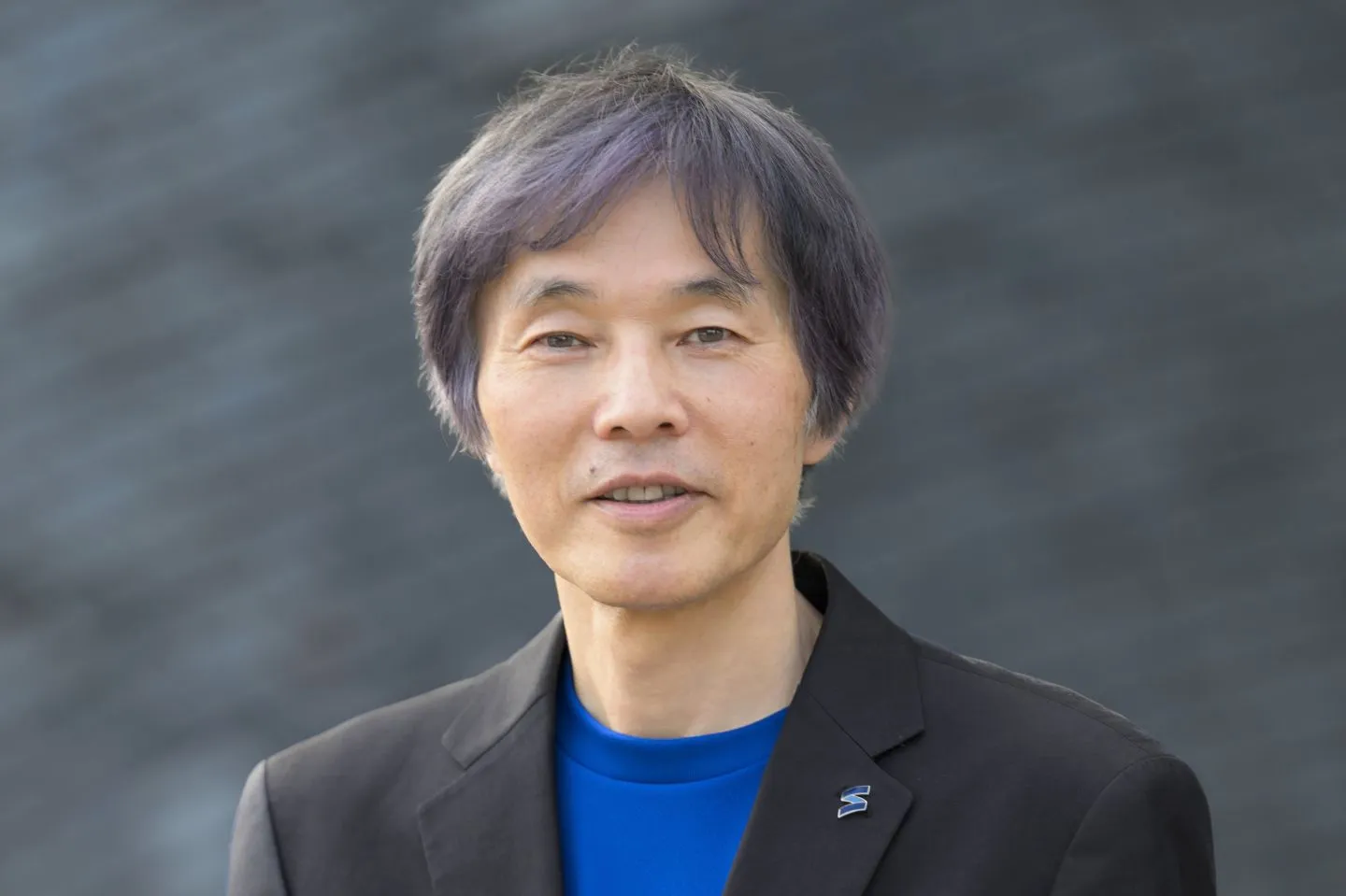
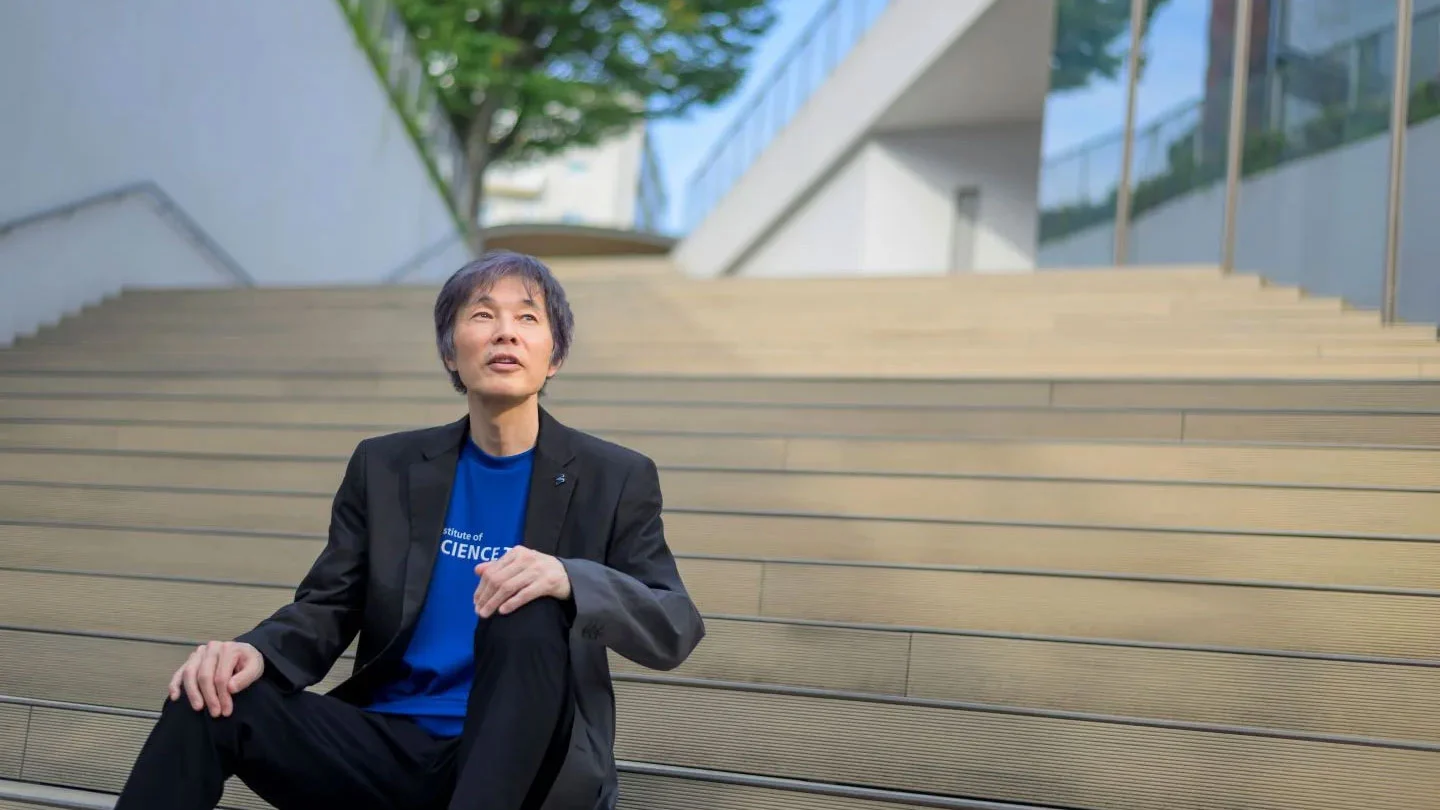
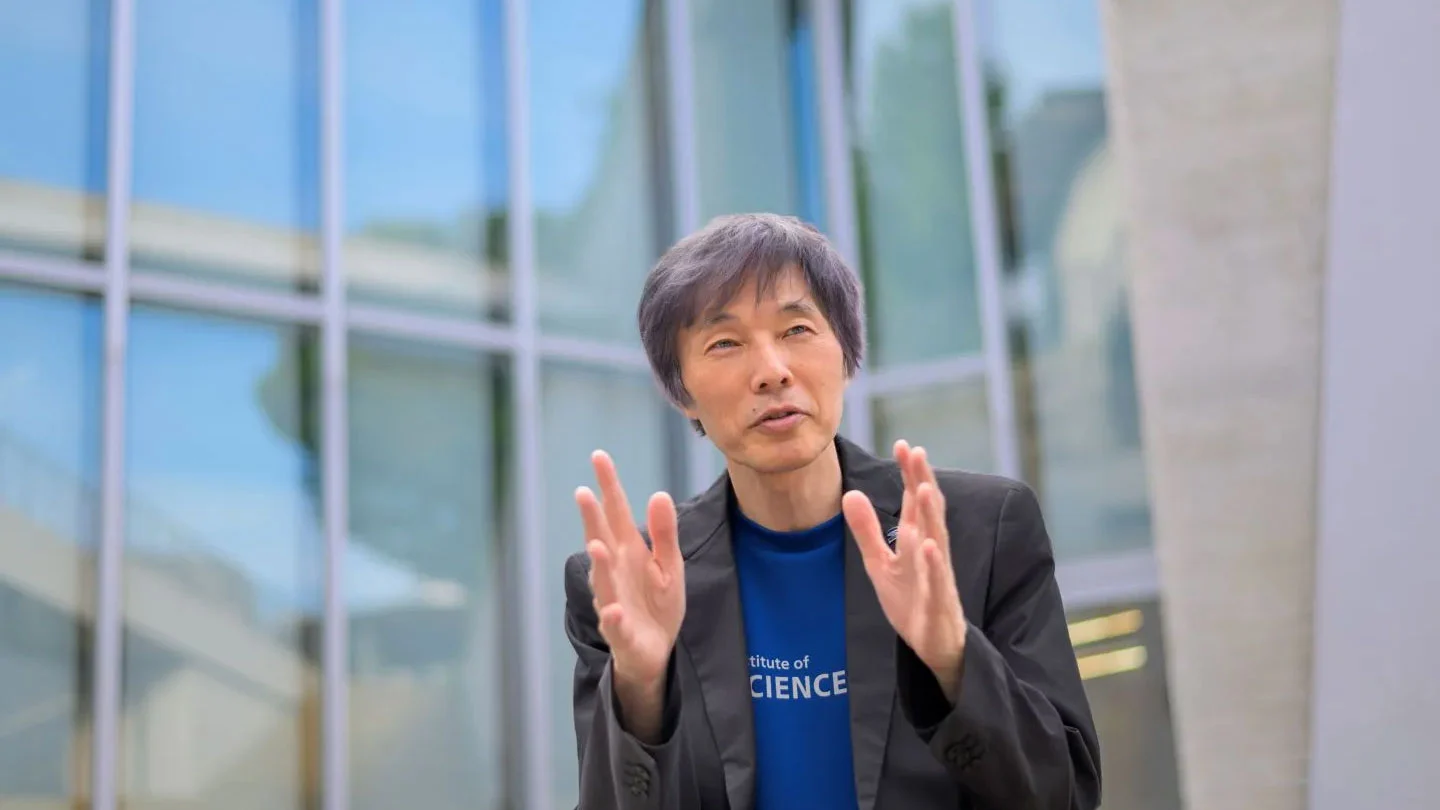
One person who initially questioned the concept was Tetsushi Furukawa, Executive Vice President for Innovation at Science Tokyo. Through extensive discussion with colleagues, however, his perspective changed dramatically, and he is now one of the strongest advocates for the VIs. What changed his mind? By tracing the evolution of Furukawa's thinking, we gain a deeper understanding of what the VIs seeks to achieve-and why they matter for the future of research.
"Without strong disciplines, meaningful collaboration cannot exist" - why I was initially skeptical of Visionary Initiatives
Why were you initially skeptical about Visionary Initiatives?
Furukawa Saying that I was opposed to Visionary Initiatives might be putting it too strongly. It would be more accurate to say that I was skeptical when discussions about the VIs first began. My concern was straightforward: I feared that it might weaken academic disciplines.
Research is built upon expertise within individual disciplines. It is through deep disciplinary knowledge that new discoveries are made. I worried that if the disciplines themselves were weakened, the very foundation of research would be undermined. In other words, I believed that without strong disciplines, meaningful interdisciplinary collaboration cannot exist.
However, as our discussions progressed, I came to understand that the VIs were never intended to diminish the importance of academic disciplines. Rather, its goal is to preserve disciplinary excellence while creating new opportunities for collaboration across fields. I also began to realize that this process could, in turn, strengthen the disciplines themselves.
A good example is Bayesian statistics, which now serves as a foundation for modern artificial intelligence. Although it is originally developed within mathematics and statistics, its application in AI has, in turn, inspired new theoretical developments, such as PAC-Bayesian theory. This mutually reinforcing relationship has led some researchers to describe the current era as a second golden age of Bayesian statistics.
Once I understood that disciplinary research and interdisciplinary research can reinforce one another in a mutually beneficial cycle, my perspective changed completely.
Today's societal challenges cannot be solved by a single discipline
Why is interdisciplinary collaboration becoming increasingly important today?
Furukawa The COVID-19 pandemic had a profound impact on the way I think about research. It made me realize how dramatically the nature of science has changed.
First, many of today's societal challenges simply cannot be solved by a single discipline. For example, overcoming COVID-19 was impossible through medicine, epidemiology, or immunology alone; it required knowledge from many other areas, such as computer science, engineering, and the social sciences.
Second, the boundary between basic and applied research has become much less distinct. mRNA vaccines are a prime example. What had long been regarded as basic research was translated into real-world applications in an extraordinarily short period of time.
A third lesson was the importance of open science. Researchers around the world rapidly shared research findings and data-including viral genomes, genetic variants, and three-dimensional molecular structures-and collaborated across institutional and national boundaries to accelerate scientific discovery.
Reflecting on these changes, I came to realize that an increasing number of challenges can no longer be addressed within conventional disciplinary frameworks alone. That is why I believe we need a framework that brings together diverse knowledge and expertise. However, simply gathering researchers from different fields or combining superior research is not enough. Only when guided by a clear vision of the future we wish to create can we connect individual expertise and transform knowledge into a driving force for societal change.
From Knowledge Creation to Value Creation
What role do Visionary Initiatives play within the University?
Furukawa I consider VIs to be a system that takes a vision of what kind of future we wish to realize as its starting point, linking "knowledge creation" to "value creation". One of the University's fundamental missions is to generate new knowledge-what we call knowledge creation. Today, however, as societal challenges become increasingly complex, universities are also expected to translate that knowledge into solutions that benefit society and create new value. In other words, value creation has become just as important.
Of course, this does not mean we should focus solely on value creation. The foundation of value creation is always the creation of knowledge. Furthermore, it is not uncommon for value creation to occur first and lead to the creation of knowledge later on.
For example, while James Watt is said to have built a practical version of the steam engine in the late 18th century (though there are other theories), it was not until the 19th century that thermodynamics was born as an academic discipline to systematically explain how it worked. Similarly, while Mendel demonstrated the laws of inheritance in the 19th century, it was only in the 20th century that its physical reality-such as the double-helix structure of DNA and the central dogma-was uncovered.
This is precisely why we expect basic and applied researchers to collaborate so that the synergistic creation of knowledge and value can promote the establishment of academic disciplines. I believe that VI exists as a platform to foster this very process.
Science Tokyo brings together expertise spanning science and engineering, medicine and dentistry, as well as the humanities and social sciences. Harnessing this diversity more effectively will be one of our most important challenges going forward.
The significance of a university-wide framework
How do the VI differ from conventional research projects?
Furukawa What makes our VIs truly unique is their university-wide scope. Most research projects involve a limited number of researchers or research groups. Visionary Initiatives takes a different approach. Every researcher at Science Tokyo belongs to one of the University's eight VIs while continuing to contribute their own disciplinary expertise.
Of course, our VIs are still at an early stage, and it would be premature to expect a large number of tangible outcomes. What we are seeing now is something equally important: researchers meeting one another, exchanging ideas, and exploring possibilities that had not previously existed.
New research and new value emerge from conversations like these. That is why I believe the significance lies not only in the outcomes, but also in this university-wide movement itself.
What does Science Tokyo's approach mean for the future of research?
Furukawa I often describe Science Tokyo as a "first penguin." The expression refers to the penguin that is the first to leap into the ocean, despite the risks that may lie beneath the surface. Progress begins when someone is willing to step outside their comfort zone and take the first step.
Many universities around the world are pursuing interdisciplinary research and working to address societal challenges. What makes Science Tokyo distinctive, however, is our effort to engage the entire University. Every researcher participates in one of the eight VIs while contributing their own disciplinary expertise and exploring future challenges from new perspectives. We believe that our defining characteristic is not simply interdisciplinarity itself, but our commitment to advancing it as a university-wide endeavor.
Science Tokyo was created through the merger of two institutions with complementary strengths: the former Tokyo Institute of Technology and Tokyo Medical and Dental University. The significance of that merger extends well beyond organizational integration. It represents an opportunity to bring together diverse forms of knowledge and demonstrate a new model for the university-one capable of creating a better future through collaboration across disciplines.
If this approach succeeds, it could serve as one model for the future of higher education. That is why I see this not simply as a challenge for Science Tokyo, but as one with broader significance for universities everywhere.
What happens when diverse knowledge comes together?
What kind of future do you hope Visionary Initiatives will inspire?
Furukawa I think the two key words are diversity and anticipation. When people hear the word diversity, they often think of different academic disciplines. But what matters even more is the diversity of perspectives and ways of thinking. Research rarely begins with a clear answer. New discoveries and innovations emerge through dialogue, experimentation, and repeated trial and error as people with different perspectives work together. That is why I hope the VIs will inspire a sense that something new is about to emerge.
Today, diverse forms of knowledge are beginning to connect in ways they never have before. I hope people will recognize that momentum, share in the excitement of what lies ahead, and join us in shaping the future of society together.
Interview conducted on May 28, 2026, at the Ookayama Campus
Profile
Tetsushi Furukawa
Executive Vice President for Innovation
Science Tokyo