
Severe bleeding after trauma can rapidly become life-threatening. In a new doctoral thesis from Karolinska Institutet, Marcus Wannberg examines how the body's coagulation system begins to fail early after injury, which injuries most often lead to fatal bleeding, and how high-risk injuries can be identified.
"Severe bleeding after trauma is one of the most important preventable causes of death in injured patients. A person who loses large amounts of blood after, for example, a road traffic accident, a fall, or a stabbing can deteriorate very rapidly, sometimes within minutes. The problem is not only the vascular injury itself but also that the body's own coagulation system begins to fail early after injury, making the bleeding even harder to stop" says Marcus Wannberg , doctoral student at the vascular surgery research group, Department of Molecular Medicine and Surgery , Karolinska Institutet.
"My thesis examines traumatic haemorrhage from several perspectives: what happens to the blood's clotting ability at the microscopic level, how patients with life-threatening bleeding can be identified in trauma care, and which injuries most often lead to fatal haemorrhage", he continues.
Which are the most important results?
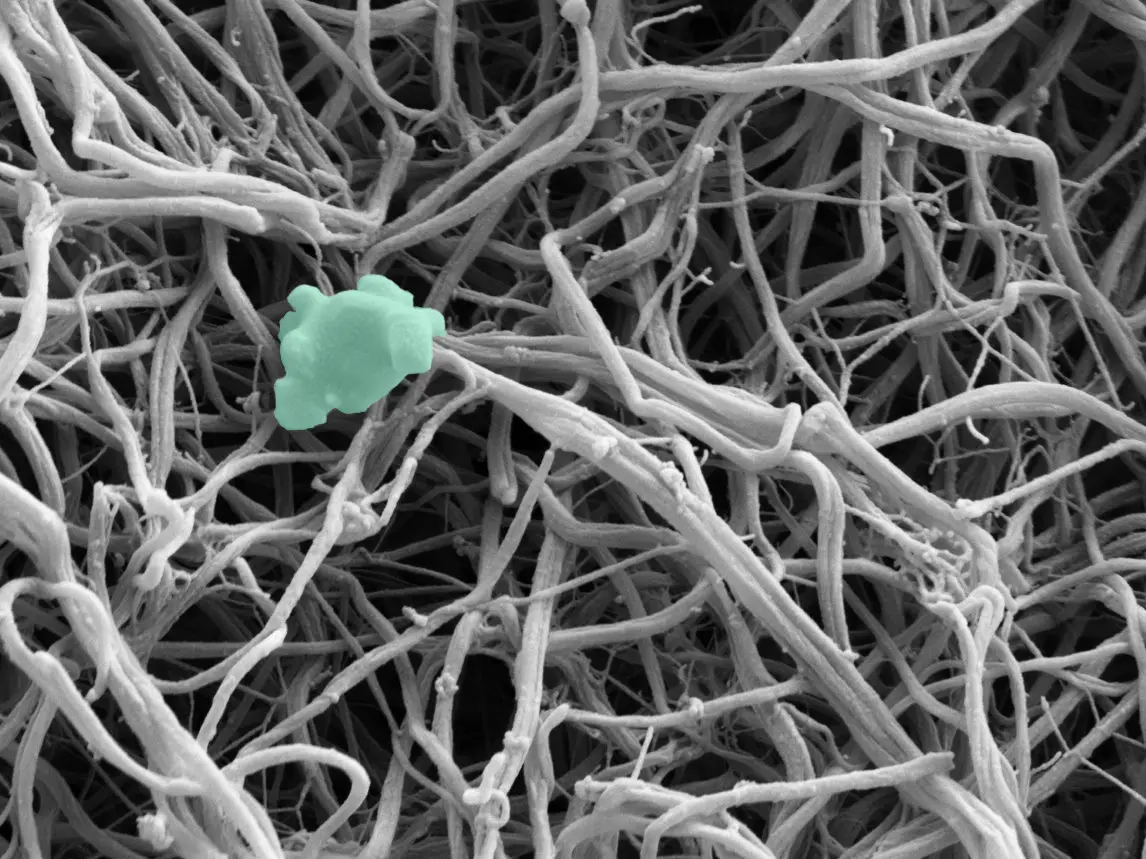
"In the experimental studies, we showed that severe traumatic haemorrhage rapidly leads to complex changes in coagulation. Platelets, the small blood cells that help the blood to clot, were consumed in large numbers while the remaining platelets appeared to be larger and more reactive. Fibrinogen, the protein that forms the building material of blood clots, decreased and the structure of the clot changed. Using electron microscopy, we were able to show that the fibrin network, the structural framework of the clot, became more porous and composed of thinner fibres. Taken together, this means that the clot the body forms to stop bleeding after severe trauma is simply weaker and more unstable".
"Among trauma patients, we found that only a small proportion met the definition of major bleeding, but these patients were among the most critically injured. They were younger, more often male, and more frequently had penetrating injuries. Importantly, early warning signs such as low blood pressure, metabolic acid-base disturbance, and abnormal coagulation tests already at hospital arrival were clearly associated with major bleeding. This shows that there are clinical markers that can help trauma teams identify these high-risk patients more rapidly".
"We also analysed over 200 deaths from traumatic haemorrhage. The chest was the most common site of fatal bleeding and injuries to the aorta were particularly rapidly lethal. Most deaths occurred within one to two hours of injury, and one fifth already within the first hour".
How can this new knowledge contribute to the improvement of people's health?
"The findings can contribute to improving trauma care in several ways. By better understanding how coagulation fails early after injury, we can develop more targeted treatment strategies. The clinical findings show which warning signs can help trauma teams identify patients with life-threatening bleeding more rapidly, before the situation becomes uncontrollable. The analysis of deaths shows that haemorrhage from the chest and major central vessels is the most rapidly fatal, but also that in abdominal haemorrhage, for example, there may be a somewhat longer time window in which the right intervention can be life-saving. This underscores the need to organise the entire chain of care, from the scene of injury to the operating theatre, so that the time to definitive haemorrhage control is as short as possible".
What are your future ambitions?
"The work on this thesis has given me a strong clinical and scientific foundation, and I want to continue combining clinical work with research. Going forward, I am interested in how data-driven development and new technical tools can be used to improve acute care processes, for example to identify high-risk patients earlier and streamline care pathways in severe injury. I want to work at the intersection of clinical medicine and innovation, and contribute to translating research findings into meaningful improvements in patient care".
Dissertation
The doctoral thesis has been supervised by Carl Magnus Wahlgren. The dissertation seminar will be held on Friday May 22, 2026 at 09:00, Karolinska vägen 37 .
Thesis
Wannberg, Marcus (2026). Coagulopathy and vascular injury in traumatic haemorrhage. Karolinska Institutet. Thesis. https://doi.org/10.69622/31388668.v1


