
I live in a tiny town, and I mean a few hundred people tiny, on the Croatian coast. Despite the size of my little corner of the world, we are lucky to have a lot of wonderful things. We have the beautiful Adriatic Sea, we have the sun, and we have what is left of our rich diverse natural environment. We also have the 'joys' of mass tourism, overdevelopment, and the scorching summer heat of the climate crisis.
However, there is one thing our town doesn't have: a train.
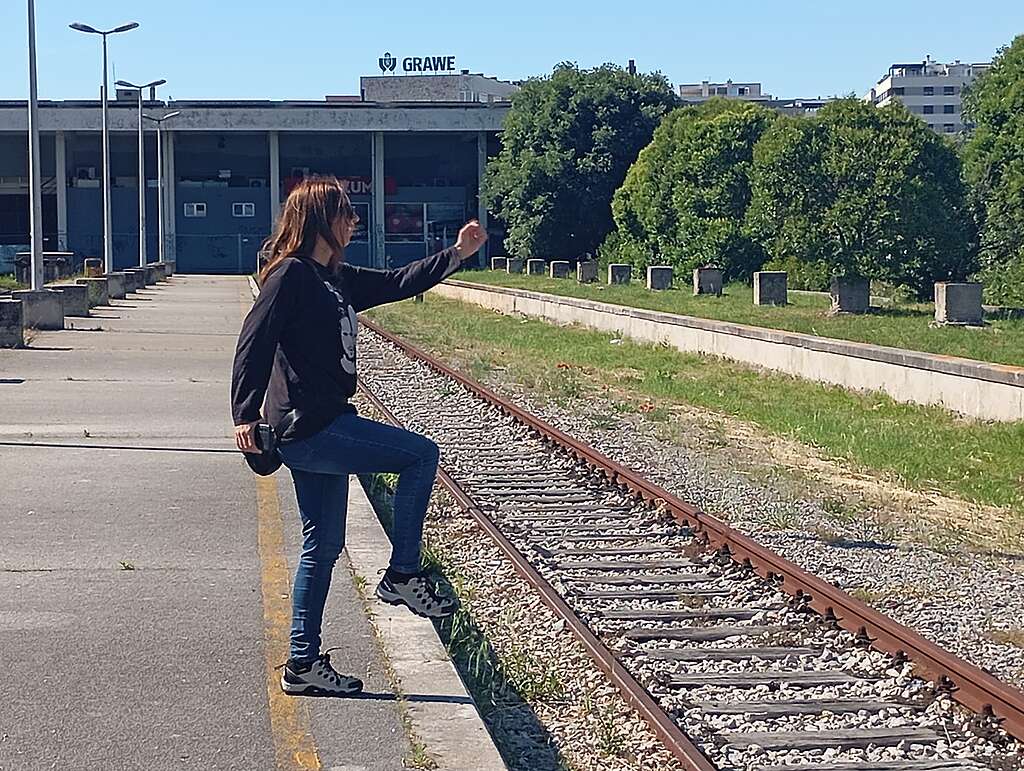
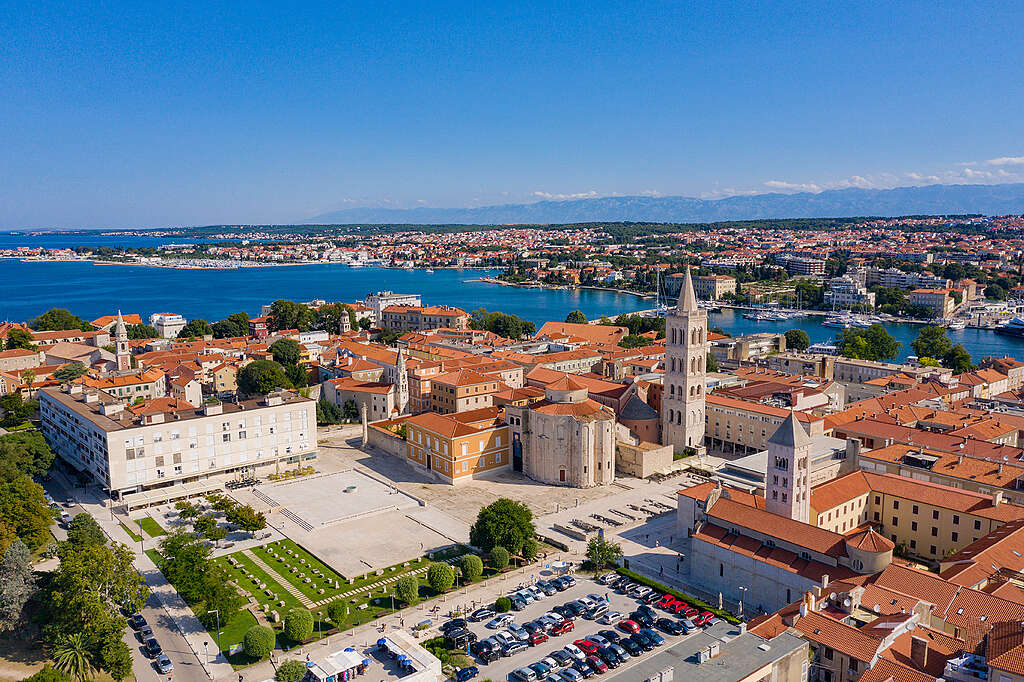
My town is very close to Zadar, where we used to have a train station, but it closed down years ago. In its place, we got our first-ever McDonald's. It is a jarring symbol of our shifting priorities – we have essentially traded a vital piece of public infrastructure which connected us to the rest of the country and to the rest of Europe, for a global fast-food drive-thru.
To be honest, that station had been barely clinging to life for years, with slow trains and poor connections. We were all hoping for something better – an upgraded, modern, fast, reliable train service. Instead, those possibilities were discarded, and the site was repurposed for commercial profit.
For the people of Zadar County, this was a massive loss. Our towns became harder to travel between, it became much harder to reach a doctor in a bigger city, or offer a sustainable way for the thousands of tourists who visit us every year to get around and explore this beautiful region.
When you combine this with a bus system that is patchy and irregular (and non-existent at night), you realise you've lost more than just a convenient method of transport. You've lost access to social life, culture, and to freedom. Ultimately, despite never having wanted one, I was left with no choice but to buy a car.
I'm not even a 'natural' driver. While I've grown somewhat fond of my small car and my driving is quite good now, I never wanted the stress or financial or environmental cost of owning one. I didn't buy a car as a luxury; I bought it as a 'tax' just to be able to visit friends and family, to be prepared in case of the need to travel to a larger city; in short – to live my life.
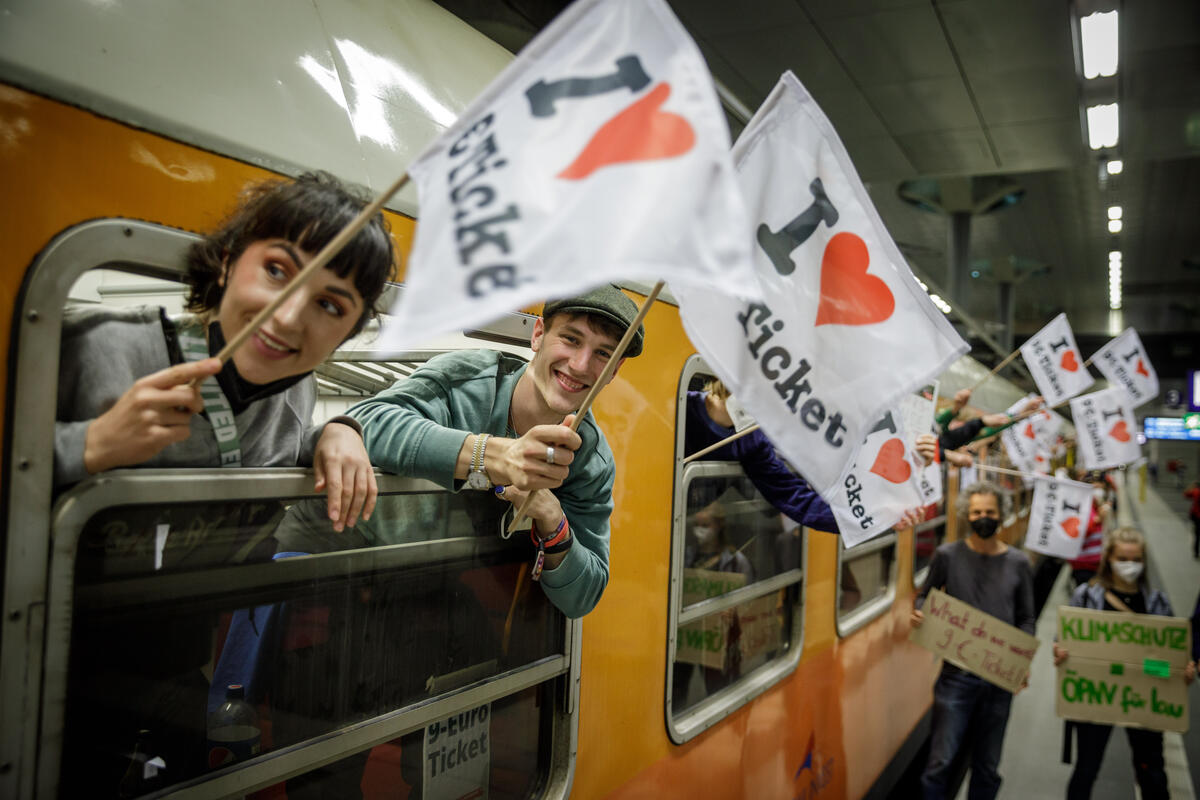
However, there is a glimmer of hope on the horizon: the local government recently promised to revive Zadar's train connections, with some works already underway and a completion date set for 2028. I truly hope these new tracks lead to a service that is fast, affordable, and accessible for everyone. We need more than just a track; we need a lifeline for students heading home, patients traveling to the capital for healthcare, and a sustainable way for tourists to explore our coast, without clogging up our streets, polluting our air or burning more fossil fuels in cars.
My experience isn't unique. I am not the only one trapped in this cycle.
A new report by the Oeko Institute confirms that my experience is a European reality. It shows that up to 56% of the population in European countries report not using public transport because it is unavailable, while roughly 19% experience 'forced car ownership.'
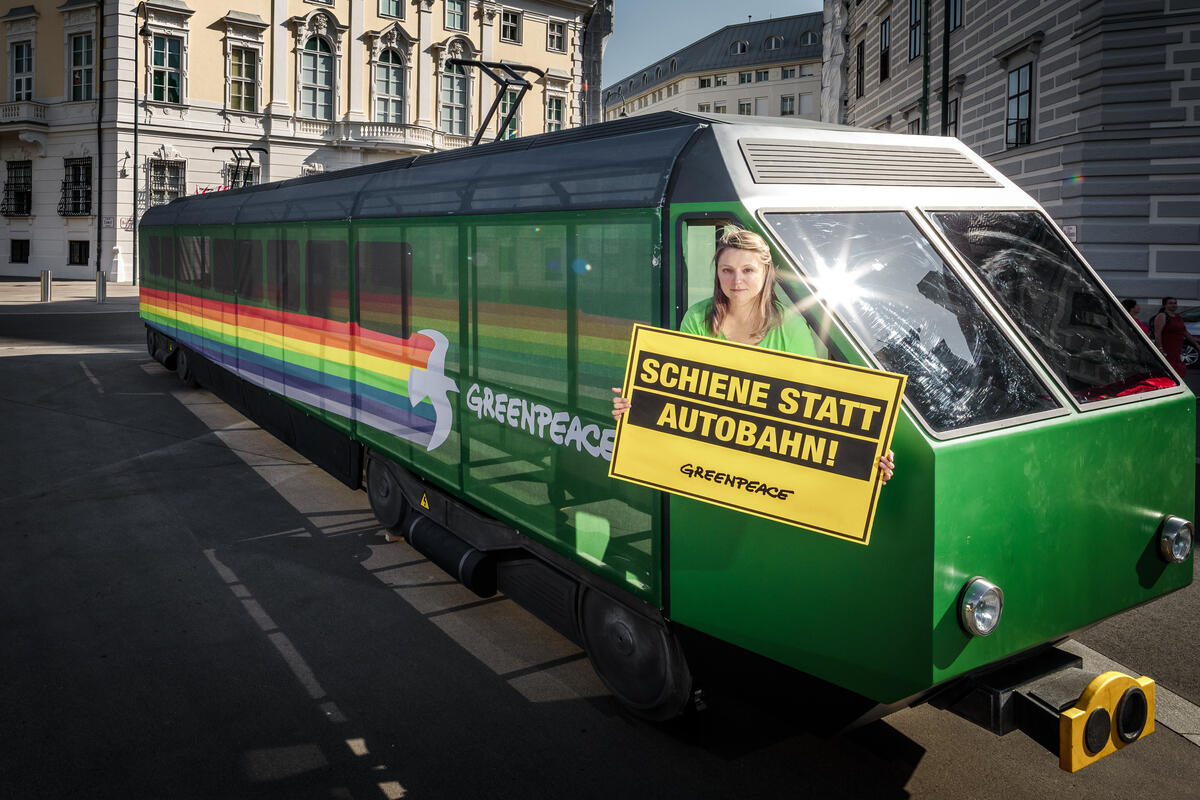
This isn't just an inconvenience; it's a policy failure. The report outlines exactly what we need to do to ensure that we put people back at the centre of the conversation:
- Make transport actually available. It's not just about building tracks or buying buses; it's about frequent, reliable connections. We need smart regional planning so that living in a small town doesn't automatically mean you're isolated and unconnected.
- Make it safe and usable. Especially for many women and seniors, a lack of safety, or just physically difficult stops, is a huge barrier. We need better lighting, clear security protocols, and basic accessibility improvements to make sure everyone can actually use the system.
- Keep it affordable. It's simple: if it costs too much, people can't use it. We need 'social tickets' and affordable 'climate tickets' to ensure that a lack of money doesn't trap people in their homes, and that their basic mobility needs are met.
- Stop ignoring the rural reality. Planners need to use real data to identify 'high-need' spots. We shouldn't be forced into wasting hours on commutes – just because we live outside a city centre.
- Support those who have no choice. Climate policies targeting fossil fuel cars are necessary, but they can't be a trap for low-income households. If we are going to phase out older cars, we have to provide financial support and affordable, low-emission alternatives first.
We don't need more fast food drive-thrus; we need a fair, connected Europe. This report isn't just about data, it's a call to make sure everyone has a basic right to move freely in a clean, safe, sustainable way.
Mihaela Bogeljić is the Communications Lead with the European Socio-Economic Campaign at Greenpeace International


