
The new laboratory was opened on Wednesday, July 9, at the Engineering Chemical Technology Center (ECT Center). The laboratory will use AI to develop new medical drugs and model the properties of chemical compounds. For example, scientists will create methods for predicting the physicochemical properties of chemical compounds and algorithms for analyzing quantum patterns in atomic and molecular physics, including macroscopic quantum effects. They will study chemoinformatics (chemical informatics, molecular informatics), bioinformatics at the levels of DNA, cells and tissues, will develop digital assistants and intelligent decision support systems for chemical technologies.
Lyudmila Ogorodova, Deputy Governor of Tomsk Region for Scientific and Technological Development, noted the role of the laboratory in promoting new technologies in industrial production.
- The goal of the strategy of the socio-economic region is to implement a model of intensive development, including the development of high-tech industries based on the potential of the scientific and educational complex, the creation of conditions for investment, and the development of entrepreneurship. The opening of a laboratory at the intersection of science and industry will contribute to the achievement of this goal, -said Lyudmila Ogorodova.
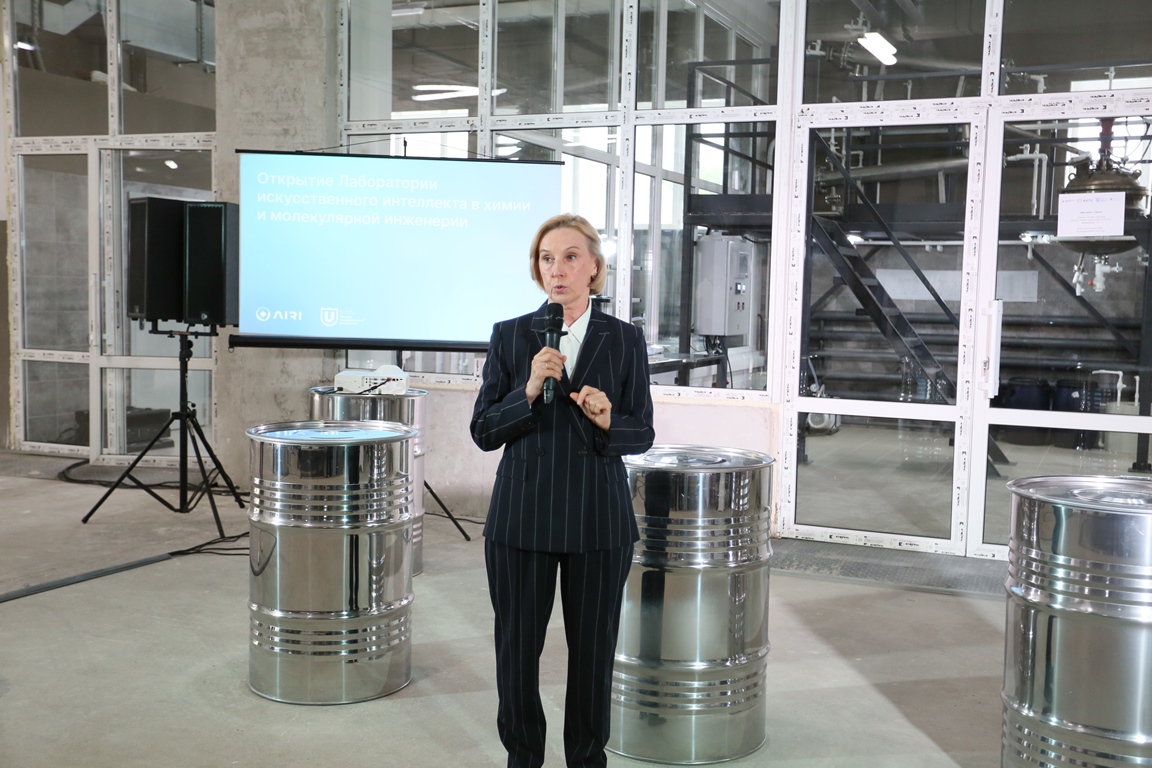
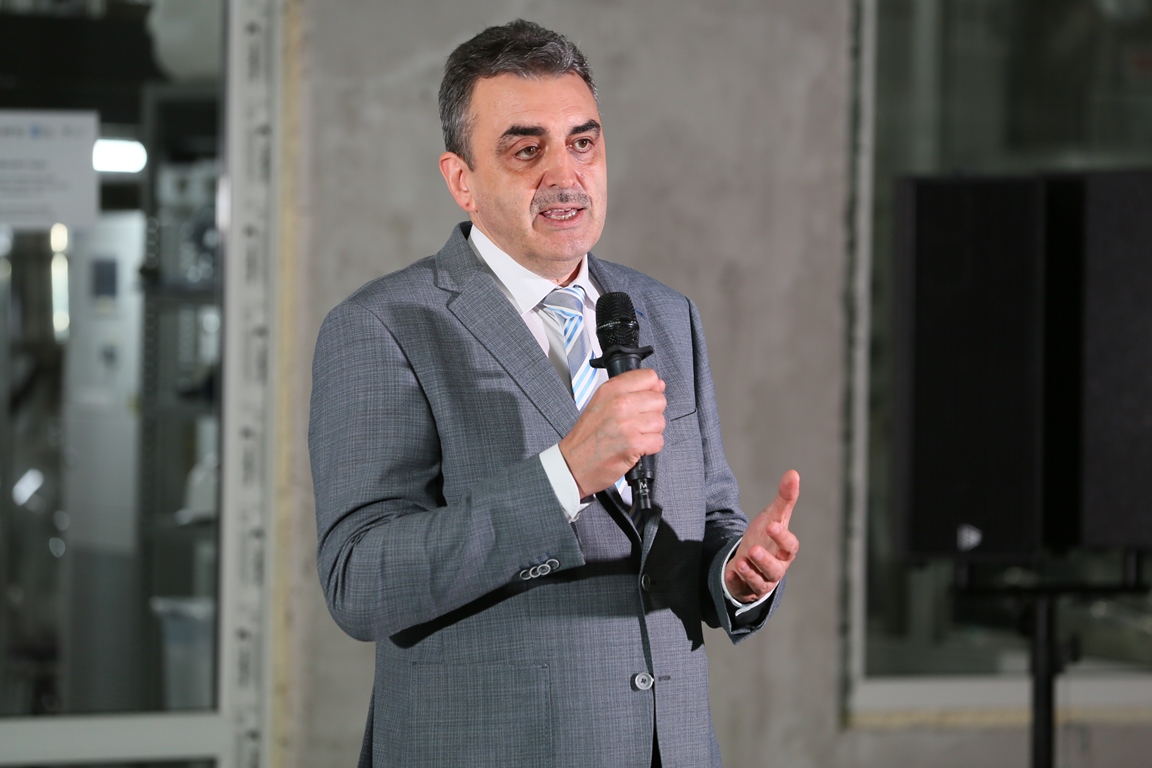
- We live in a unique time and see how technology is changing the world, changing our lives. No one could imagine the role of artificial intelligence in our lives and in the formation of technological leadership. Today, Russia is a country that can offer a competitive technological package for export, for example, to Southeast Asia, - said Eduard Galazhinskiy, rector of TSU.
Artur Kadurin, the head of the scientific group "AI in Life Sciences" of the AIRI Institute and the scientific director of the new laboratory noted during the event that modern life sciences and materials science generate data of unprecedented volume. The task of the laboratory is to develop and apply AI methods to analyze and combine this heterogeneous information at the intersection of chemistry, biology and physics.
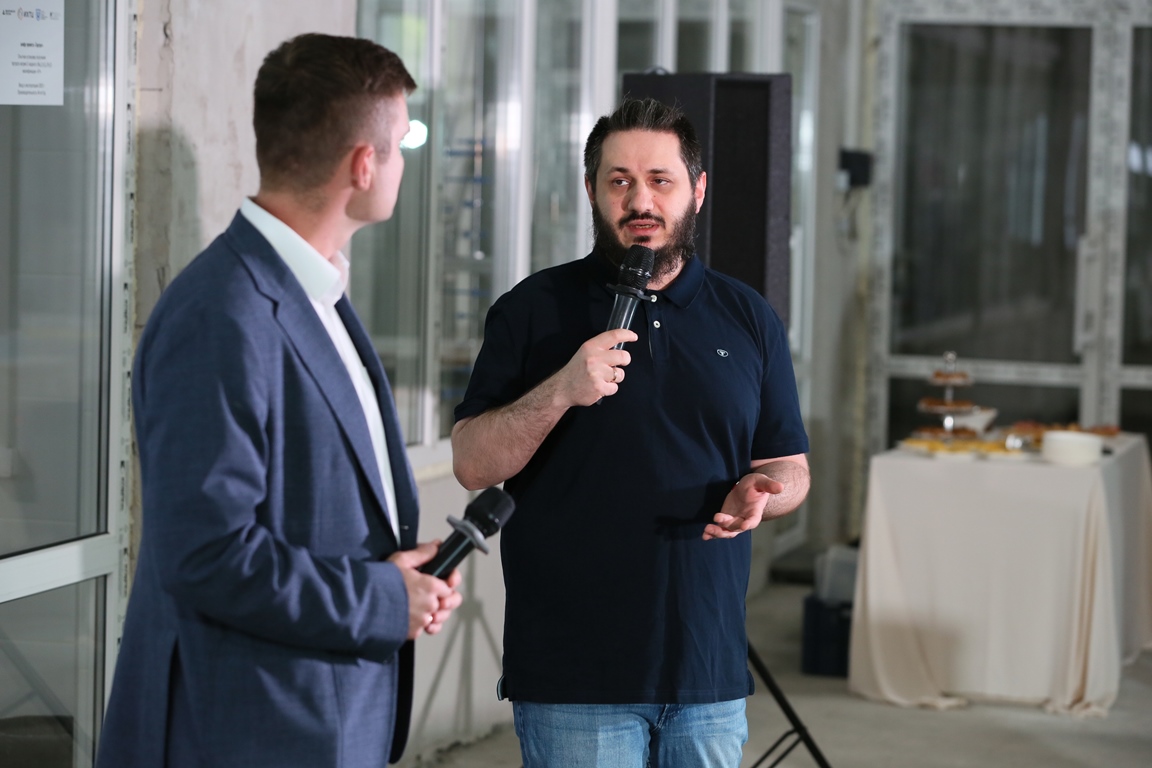
- Accelerating the development of therapeutic drugs and functional materials depends on our ability to predict the complex properties of substances and their interactions. We will focus on creating computational approaches that will effectively harness the potential of AI technologies to meet these challenges. In turn, experts from TSU will ensure the experimental validation of the proposed methods, - said Artur Kadurin.
According to Vyacheslav Goiko, director of the Institute for Big Data Analysis and Artificial Intelligence at TSU, the introduction of AI into the work of chemical scientists and molecular engineering specialists is a fundamental change in the very logic of scientific search.
- The future belongs to those who learn to use AI to accelerate scientific research and generate new knowledge. Such future is being created here in Tomsk today: colleagues from the AIRI Institute are recognized leaders in basic and applied AI research; our team has extensive experience in research and applied development based on the Cyberia supercomputer; specialists from the ECT Center have expertise in the field of synthesis, analysis of substances and scaling of chemical processes, - said Vyacheslav Goiko.
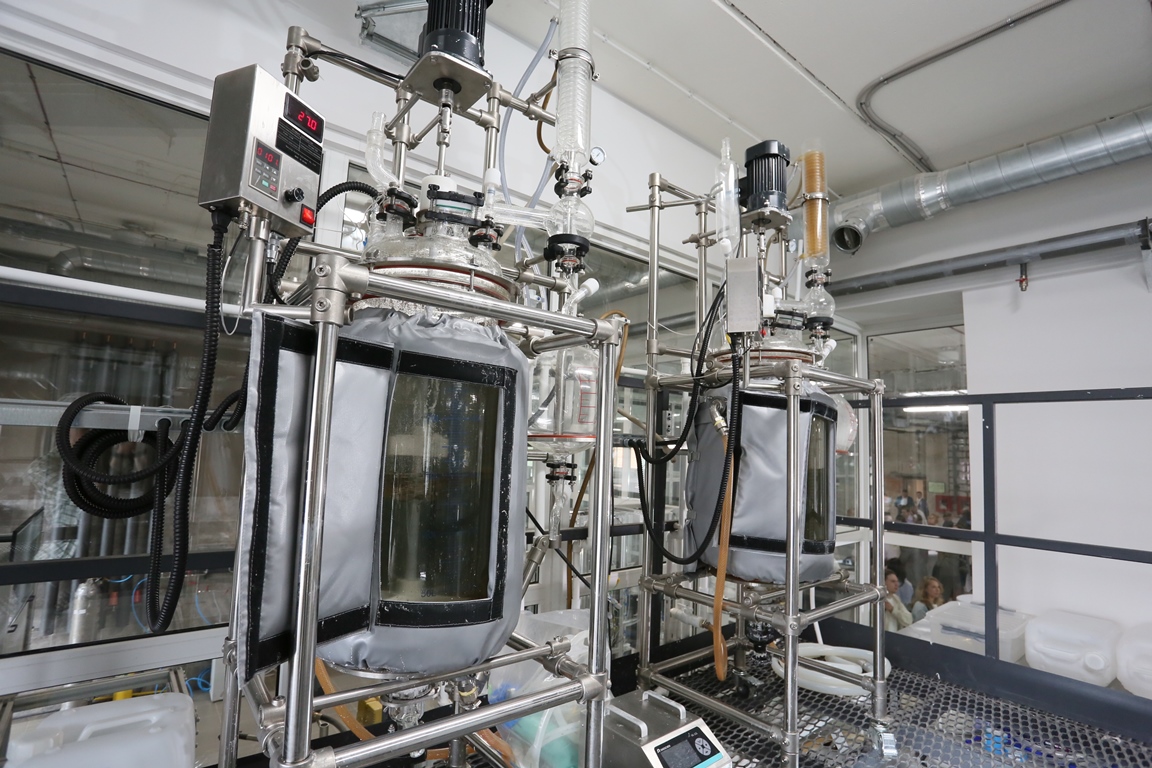
Unique facilities of the ECT Center will be used for the projects of the new laboratory. For example, the scientists of the center are currently developing the first AI system in Russia in real production in low-tonnage chemistry. AI is being introduced into the operation of a plant for the production of 2-water high-grade sodium tartrate used in the production of electronic equipment elements.
According to Alexei Knyazev, director of the ECT Center, acting Dean of the Faculty of Chemistry of TSU, the main goal is to speed up the production cycle, eliminate the human factor to increase accuracy, safety of the process, in this case, the production of sodium tartrate. AI allows predicting changes in parameters and clearly analyzing the consequences of changes, which is important in the continuous process of producing a substance.


