The Myco_Jaca 2026 meeting will be held from 21 to 23 October in Jaca to address the new challenges posed by tuberculosis and other infections caused by mycobacteria. In 2024, there were more than 10.7 million new cases of tuberculosis, and over 1.2 million people died from this disease.
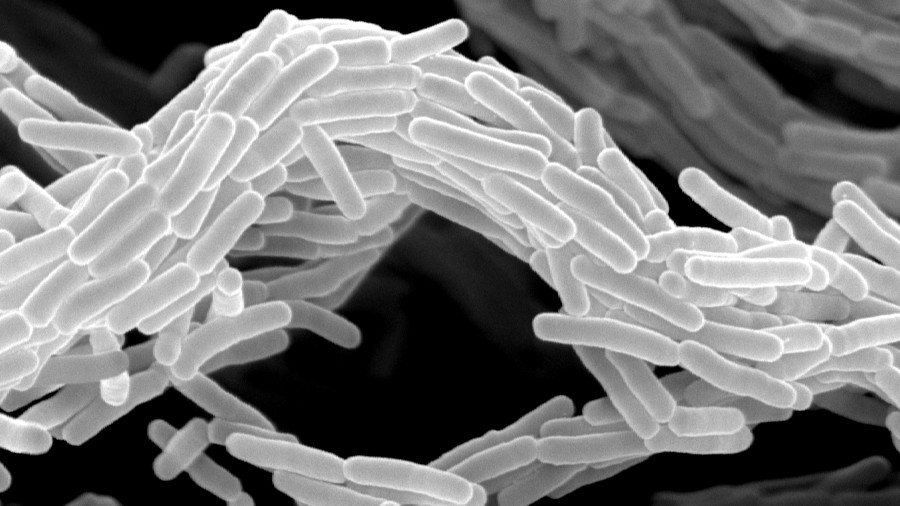
The city of Jaca will be the venue this week, from 21 to 23 October, of the ninth Myco Jaca 2026 international meeting. This scientific congress is organised by researchers from the University of Zaragoza (Unizar) belonging to the MycoNET network, and the Universitat Autònoma de Barcelona (UAB), from where this network, funded by the State Research Agency, is coordinated. The congress will bring together more than 80 national and European researchers to share their scientific advances in the study of mycobacterial biology, with the aim of developing new strategies to prevent and combat diseases caused by these pathogens and to accelerate the fight against tuberculosis. Carlos Martín Montañés, lecturer of Microbiology at Unizar and one of the discoverers of the MTBVAC vaccine, will deliver the opening lecture on Wednesday 21 October at 6:30 p.m. at the Zaragoza Congress Centre.
Tuberculosis is one of the primary global threats to human health. In 2024 alone, there were more than 10.7 million new cases of this infectious disease—caused by the bacterium Mycobacterium tuberculosis—and over 1.2 million deaths, according to the latest data published by the World Health Organization. This makes it the deadliest disease caused by a single infectious agent, despite the availability of a cure and a vaccine (BCG)—though the latter offers only limited protection against some of the most severe forms of tuberculosis.
The main challenges posed by tuberculosis include the need to improve existing strategies for preventing and treating the disease. In addition to Mycobacterium tuberculosis, other mycobacterial species can cause various infections—collectively known as mycobacterioses—the incidence of which is rising worldwide.
From molecular biology to artificial intelligence
The main challenges in the study of mycobacteria will be addressed in the Myco_Jaca 2026 sessions. These include the molecular mechanisms of antibiotic resistance, the evolution of these bacteria, the interaction between bacteria and the host organism (humans and other animals), and the immune system's response to tuberculosis and other infections caused by mycobacteria, as well as the development of new therapeutic and vaccination strategies.
The meeting will also pay special attention to the incorporation of computational tools, mathematical modelling and artificial intelligence, the study of mycobacteria and the analysis of large volumes of biological data. The combination of experimental and computational approaches will allow these infections to be addressed from a multidisciplinary perspective.
Scientific network with a decade of experience in collaborative research
The MycoNET network was conceived in 2016. The first scientific meeting took place in Madrid in 2017, and since then the meetings have been held in different cities such as Zaragoza, Bilbao, Porto, Miraflores, Leganés, Badalona and Valencia, and its annual nature was only interrupted in 2020 and 2021 due to the COVID-19 pandemic.
The meeting will be attended by researchers from institutions such as the Universitat Autònoma de Barcelona, the Autonomous University of Madrid, the Institute of Biomedicine of Valencia (CSIC), the National Centre for Biotechnology (Autonomous University of Madrid–CSIC), the Institute for Integrative Systems Biology (University of Valencia–CSIC), the Biomedical Research Foundation of Barcelona (CSIC), Carlos III University of Madrid, and the University of Murcia, in addition to the University of Zaragoza, which is the organising institution. Also in attendance will be members of the Biomedical Research Centres for Respiratory Diseases (CIBERES) and for Epidemiology and Public Health (CIBERESP), as well as scientific collaborators from other national and international research centres focused on mycobacteria.
Participating from the UAB will be the group of lecturer Esther Julián, from the Department of Genetics and Microbiology of the UAB and coordinator of the Network, as well as the groups from the Germans Trias i Pujol Foundation, the Microbiology Service of the Germans Trias i Pujol Hospital, and the campus-based centre CReSA, all of which work with mycobacteria.