In a season focused on health, UO researchers urge concentrating on goals beyond weight loss
Story by Catherine Arnold
Jan. 7, 2026
Every January, it can seem like the pressure to lose weight enters full swing. Ads for diet supplements and weight loss drugs abound. Gyms are full of people with a renewed commitment to fitness after the holidays.
But two University of Oregon researchers in the College of Education are speaking up about the harm of focusing on losing weight as a pathway to health. Their research shows that weight stigma can lead to worse health outcomes for people in bigger bodies, and the number on the scale is a very narrow view of someone's health.
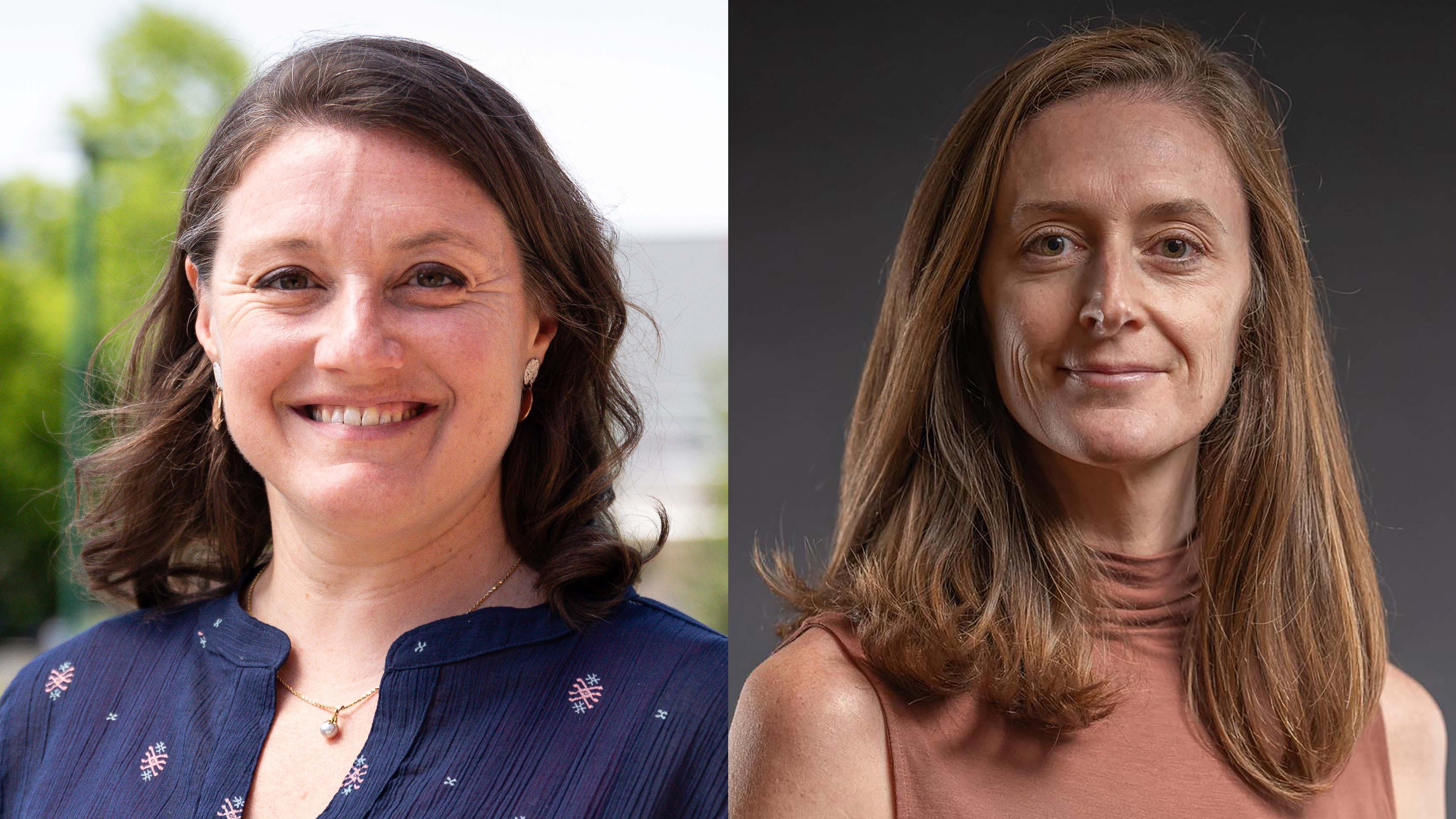
Nicole Giuliani specializes in how self-regulation learned at home ties in with unhealthy eating behaviors, and Nichole Kelly focuses on counseling psychology, eating behaviors and chronic disease risk. The two recently co-edited a special journal issue on weight stigma.
The two researchers sat down with OregonNews for a conversation about what we miss by focusing too much on weight and how we can reframe dieting or weight goals to support a more holistic view of both mental and physical health.
Q: If you could change one thing about how weight and health are discussed, what would that be?
Nicole Giuliani: I'd start with not using weight or body mass index as proxies for health. Instead, let's look at blood pressure, cardiac function, blood sugar and other measures that are more directly associated with somebody's health risk. Doing so would improve the conversation and provide a better sense of how people's bodies are functioning. Also, it would probably encourage more of us to regularly see our medical providers. Research supports that folks in larger bodies may avoid coming in for routine medical visits if they know they will be stigmatized for their weight. Then they're less likely to access data that would allow them to make better decisions about their health.
Nichole Kelly: If we use blood pressure or cholesterol as predictors of health, I think we also need to consider the impact of other factors, like the amount of social support in our lives and our access to income and healthy food.
As part of a system-wide change, we'd like to see medical providers acknowledge that weight stigma is real, then have conversations with patients about weight-based negative experiences in their lives. If patients are treated poorly because of their body size and that's reinforced by the medical system they're trying to get help from, then I think medical providers have a key role in acknowledging that and taking a different path.
Also, at least 30 studies say the terms "overweight" and "obese" are by far the most stigmatizing ways to talk about bodies. When we have presented that research to medical providers, often they've overtly resisted avoiding those terms. I'd like to think that medical practitioners would rethink their language in order to deliver better care, but, sadly, that isn't happening in a widespread way.
Q: How do you think those changes would help?
Giuliani: If we put in place changes that improve markers of health and quality of life, then weight loss may come with that as a secondary outcome. There's nothing wrong with that. But having weight loss be the primary goal misses a much more complex story and reinforces biases, which can then lead to disordered eating or chronic dieting, and a lack of enjoyment from food at social gatherings around food. If it decreases our social connections with others, that can also cause or increase stress. And we know that stress is incredibly damaging to the body.
Kelly: I think it's important that we remind people that the lucrative weight loss industry pits us against our own bodies to make money from us. By moving our bodies regularly, eating a variety of health-promoting foods and increasing our social support, we improve our health outcomes whether or not we lose weight.
To me, our medical emphasis on weight is really unethical health care, where we don't actually have a solution for people but we keep telling them that losing weight is the solution.
Q: How has the rise in popularity of GLP-1 drugs like Ozempic changed the conversation?
Kelly: When used for situations outside of diabetes and heart disease, I think weight loss medication is just a lucrative way of continuing to send the message that bigger bodies are bad bodies. In reality, GLPs are amazing medications for diabetes- and heart disease-related outcomes, but they're being pushed as medications for losing weight.
Also, we do not yet know the long-term effects of GLP drugs. Because weight loss only takes place while someone is on the medication, GLPs have been shown to exacerbate disordered eating, but this is being overlooked because the prescribing doctor's primary concern is weight loss. They're also being prescribed to adolescents. GLPs are being pushed without a full understanding of the medical complications or how they exacerbate disordered eating risk in many people.
Giuliani: I think the popularity of these medications reveals biases against larger bodies that a lot of folks carry but have been working hard to manage. If you yourself are in a larger body, it can be a challenging experience to hear people's enthusiasm for losing weight in order to look a way that is associated with health in our culture.
Kelly: And if we were treated poorly on a regular basis because of our body size, it makes sense that we would want to lose weight. But weight loss resulting from GLP drugs often takes place in a context of negative internal experiences and dialogue, with people hoping that it changes how other people treat them. That's not a context in which sustainable change thrives.
Q: What are ways people can reframe their goals related to health and wellness?
Kelly: We would encourage people to set goals, if they can, around behaviors closely linked to health that they can control.
Giuliani: If you're drinking five sodas a day and have noticed that you don't feel so great, maybe try replacing them with water or something different. And, if you notice that you sit at your desk all day, find something that you enjoy that involves moving your body and find a way to integrate those behaviors into your life. For example, you may decide to go on a walk when you have a daily phone call with a loved one. Then you'll be moving your body more minutes every day, which is associated with improved cardiovascular health in the absence of weight loss. By moving toward a different way of being, we're also improving our markers of health.
Q: What can we take into 2026 from this conversation?
Giuliani: In the special journal issue that we co-edited, we discussed both weight-based discrimination and the internalized negative beliefs about larger bodies that we refer to as weight bias internalization. And while we focused especially on the negative experiences of people in larger bodies, it's not just being in a larger body that is associated with the harmful effects of internalized weight bias. People of all sizes can hold negative beliefs about people in larger bodies. For instance, someone who never experiences a weight category or a higher body mass index that can concern a medical professional can still develop lifelong patterns of disordered eating. This unhealthy eating takes place because of how people in larger bodies are treated, the way bodies are talked about, and the way parents model eating and talk about their bodies.
Kelly: At this time of year, with New Year's resolutions, there's an uptick in social media and other messages around weight loss and how to change the way we look to be closer to the ideal. These may include hair color, skin, antiaging or other things. I would encourage people to notice how we feel when we're engaging with this content. In my experience, it often leaves us feeling inadequate. If there are ways for us to disengage, by not following certain accounts or taking breaks from a phone or TV, that can help. And we can replace those messages with kindness and self-compassion, speaking to ourselves as we would to our favorite person in the world, whether it's our child or our best friend. And let's also be mindful of how we talk with our kids or other family members about bodies, food and movement. For example, instead of saying that we need to "walk off" the big holiday meal, let's keep in mind that food is nutrition and our bodies literally need it.