
Developing the materials needed for cleaner energy technologies has traditionally been a slow and expensive process, often relying on years of trial and error. Now, researchers have outlined a new artificial intelligence (AI)-powered framework that could dramatically accelerate the discovery of advanced energy materials while reducing development costs.
Details were published in Digital Discovery on June 17, 2026.
Researchers have described a "closed-loop" research system that combines multiple AI technologies with automated experiments. Rather than treating each stage of materials research separately, the approach continuously feeds new experimental results back into AI models, allowing them to learn, improve predictions and guide the next round of experiments.
The framework is designed to address a longstanding challenge in materials science. Conventional methods - including laboratory experiments, theoretical calculations and computer simulations - have each contributed to major advances, but they often require researchers to balance accuracy, speed and computational cost. As a result, discovering promising new materials can take many years.
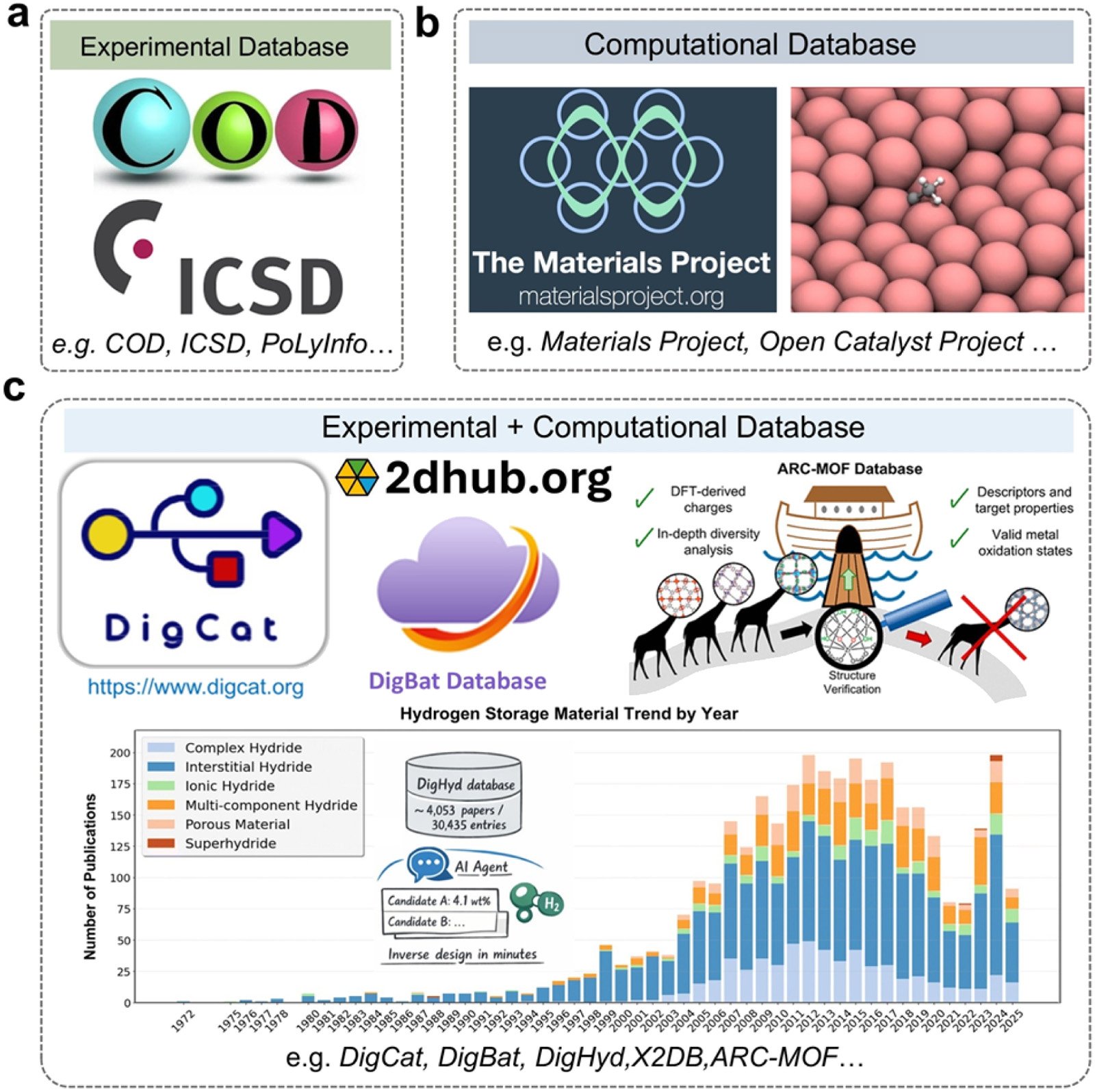
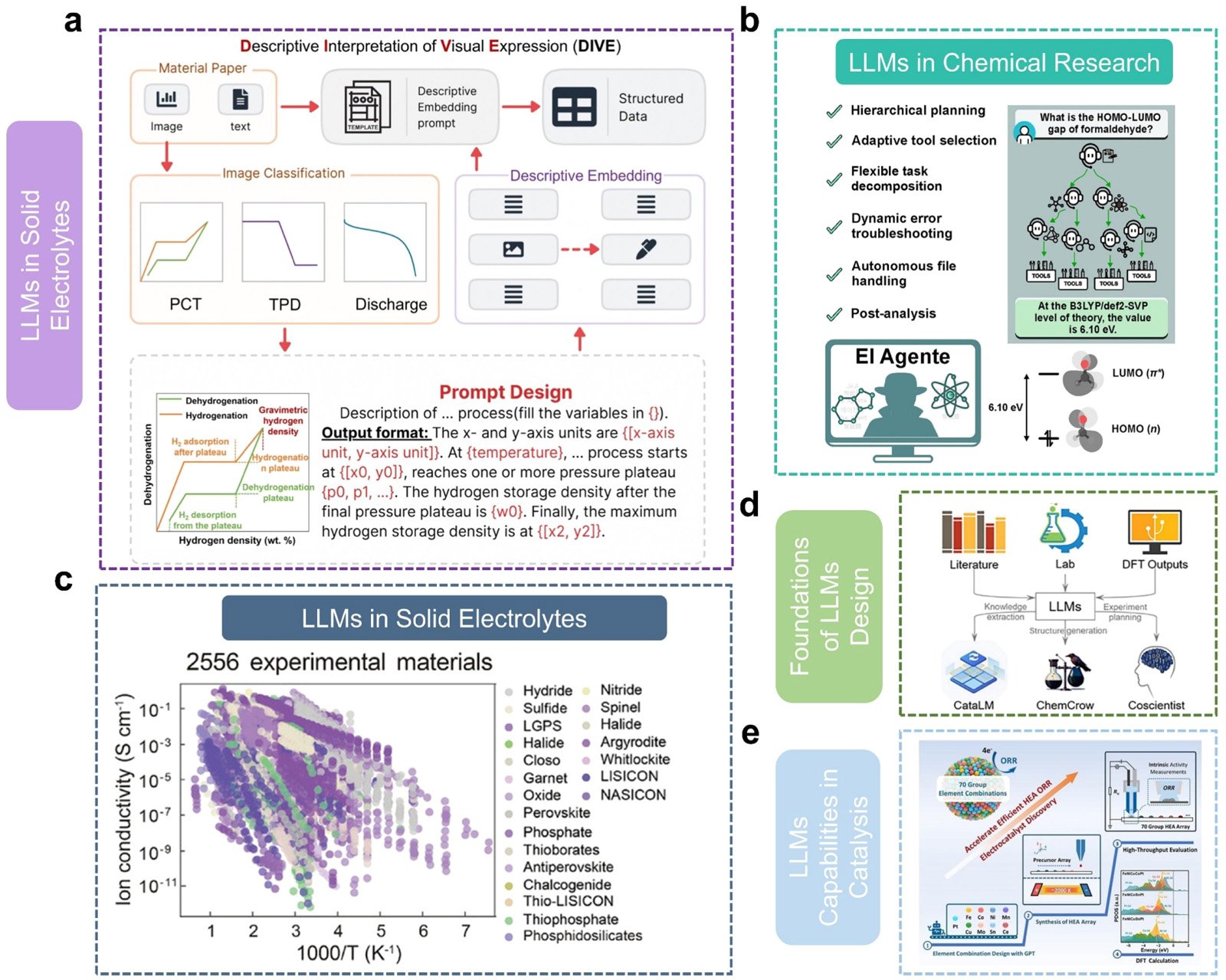
The researchers propose what they call the "4th+ paradigm," an evolution of the data-driven "fourth paradigm" of scientific research. The approach combines large materials databases, machine learning interatomic potentials (MLIPs), large language models (LLMs), intelligent AI agents and automated laboratory workflows into a single integrated system.
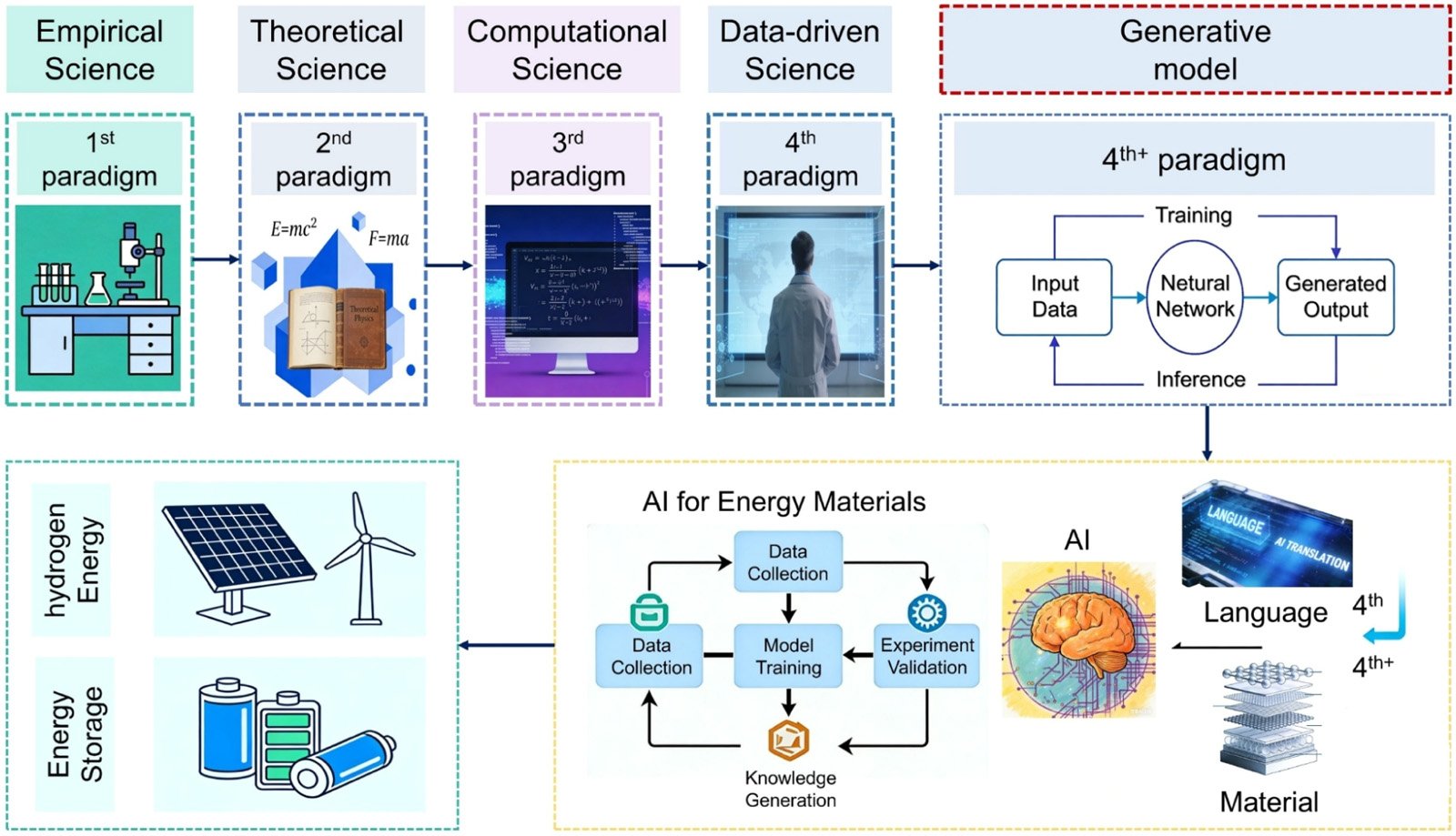
Together, these technologies enable researchers to predict the properties of materials with near atomic-level accuracy, rapidly analyze scientific literature and experimental data, and automatically recommend the most promising candidates for further testing. The closed-loop system then uses the experimental results to continuously refine its predictions, creating an increasingly efficient discovery process.
The team also outlines a future research framework consisting of four interconnected modules that support the entire materials discovery pipeline - from data collection and AI modeling to autonomous experimentation and industrial application. Such platforms could significantly shorten the time needed to develop high-performance materials for batteries, hydrogen storage, fuel cells and other clean energy technologies.
"Artificial intelligence is transforming materials science from a process driven largely by experience into one guided by data and autonomous decision-making," says Hao Li, Distinguished Professor at Tohoku University's Advanced Institute for Materials Research (WPI-AIMR). "By creating a closed-loop system that connects AI models with experiments, we can dramatically improve the efficiency of discovering new energy materials and accelerate their translation into practical technologies."
Faster development of energy materials could have wide-ranging benefits. Improved batteries could increase the range of electric vehicles, better hydrogen storage materials could support cleaner fuel technologies, and more efficient energy conversion materials could help reduce greenhouse gas emissions and support the global transition to low-carbon energy systems.
While significant challenges remain - including creating standardized materials databases, improving the reliability of AI models and reducing the cost of experimental validation - the researchers believe these obstacles can be overcome through continued advances in AI and laboratory automation.
Looking ahead, the team plans to develop more reliable machine learning models, establish open materials databases and build fully automated research platforms that seamlessly integrate AI with experimental laboratories. Such systems could help bring new energy materials from discovery to real-world applications far more quickly than is possible today.
- Publication Details:
Title: Closed-loop discovery of energy materials empowered by artificial intelligence models
Authors: Chenyao Ma, Yuhang Wang, Di Zhang, Wei Du, Qiang Gao, Rui Su, Kan Xu, Huan Gu, Limin Li, Piao Ma, Hao Li
Journal: Digital Discovery
DOI: 10.1039/D6DD00218H


