
From 11-13 May, Karolinska Institutet hosted two major meetings within the European university alliance NeurotechEU. Hundreds of participants from across Europe gathered in Stockholm to discuss the future of education, research and innovation in neuroscience and neurotechnology.

"NeurotechEU creates new opportunities for students, researchers and staff to collaborate across national and disciplinary boundaries. When the alliance meets at KI, it also strengthens Stockholm's role as an international hub for neuroscience and life science," says Martin Bergö , Vice President and Chair of the Internationalisation Board at Karolinska Institutet.
NeurotechEU is an alliance of nine European universities aiming to establish a long-term European network for education and research. The European Universities alliances are part of a flagship initiative of the European strategy for universities.
Interest in this year's meeting was high. Several partner universities attended with delegations of more than 20 participants, representing leadership, research, education, innovation and student organisations.
"The fact that so many choose to come to KI demonstrates the strong commitment to NeurotechEU and to our joint efforts to develop the future of European education and research in neurotechnology," says Martin Bergö, who is currently serving as Chair of the NeurotechEU Rector's Board.
Focus on next-generation innovation
This year's theme was "Next Generation - Skills, Talent, Careers & Innovation". The programme included lectures, research symposia, hands-on sessions and student activities focusing on AI, brain imaging, data analysis and innovation in healthcare.
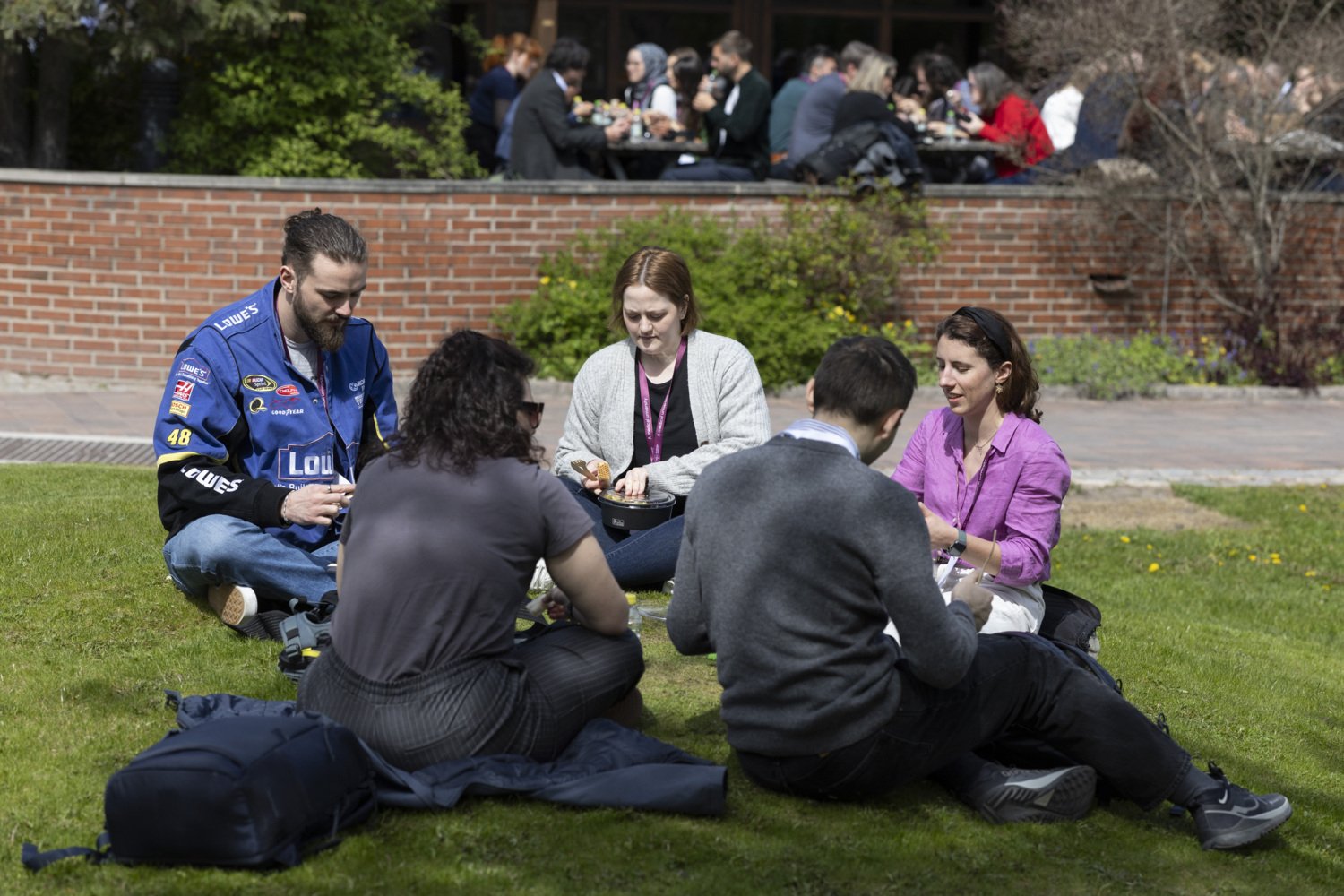
In his opening address, Martin Bergö emphasised that the theme "next generation" refers both to the future of education, research and innovation-and to the next generation of people.
"Neurotechnology requires us to work across boundaries that universities have traditionally treated separately, such as neuroscience, medicine, engineering, computer science, ethics and entrepreneurship. Our progress will depend on how well we can integrate these fields," he says.
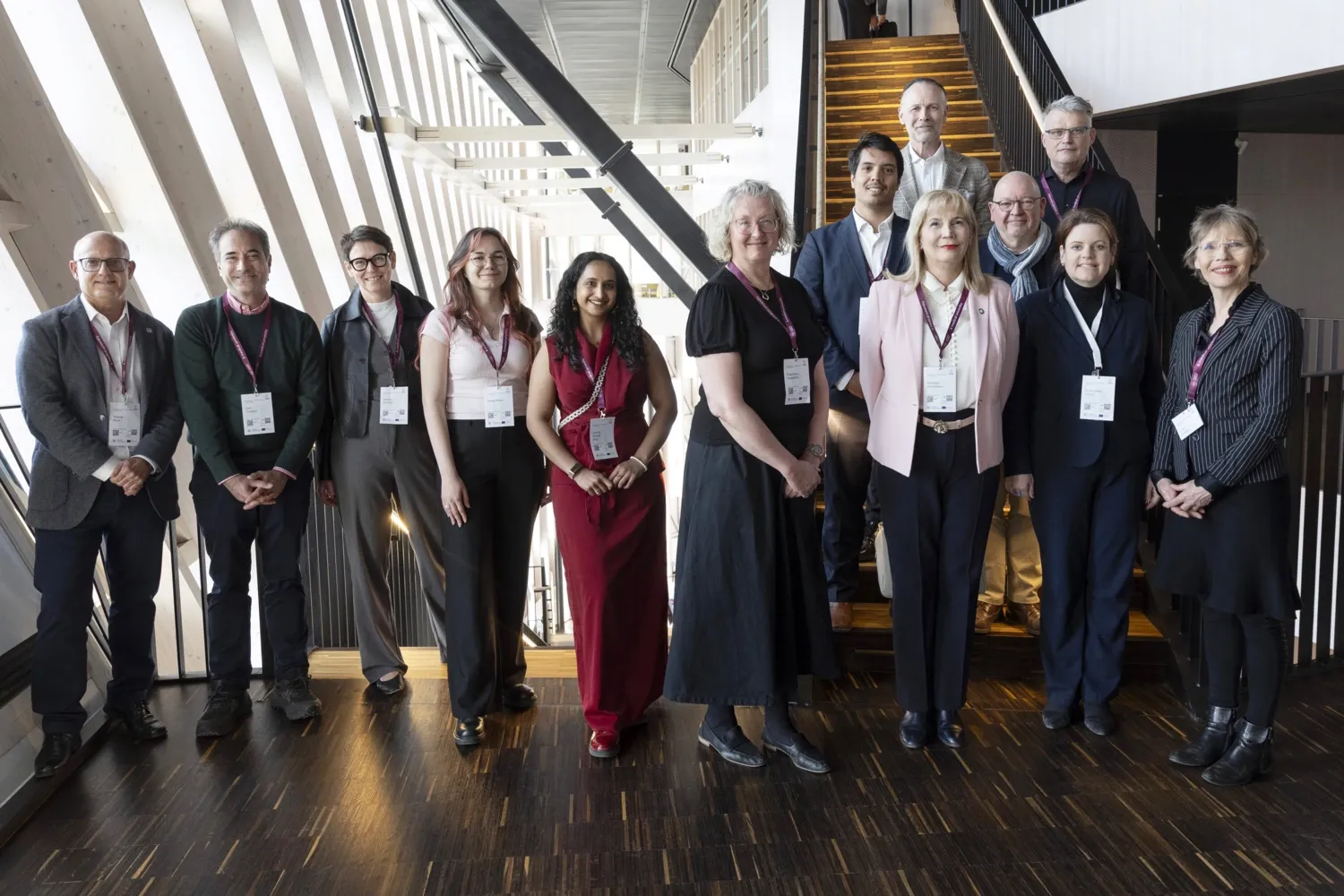
During the event, the NeurotechEU General Assembly was also held, where representatives from the member universities discussed strategic issues related to joint study programmes, mobility, collaboration and the future development of the alliance.
The EU initiative for European Universities
Martin Bergö highlights the importance of European collaboration:
"Europe's strength lies in scientific excellence, but also in ethical leadership, openness and cross-border cooperation. Neurotechnology is therefore not only scientifically important but also strategically important for Europe."
Facts NeurotechEU
NeurotechEU is co-funded by the EU and aims to build a European university focused on the brain and neurotechnology by 2040. In addition to Karolinska Institutet, the alliance includes universities in countries such as Germany, France, the Netherlands, Spain, Romania and Türkiye.


