
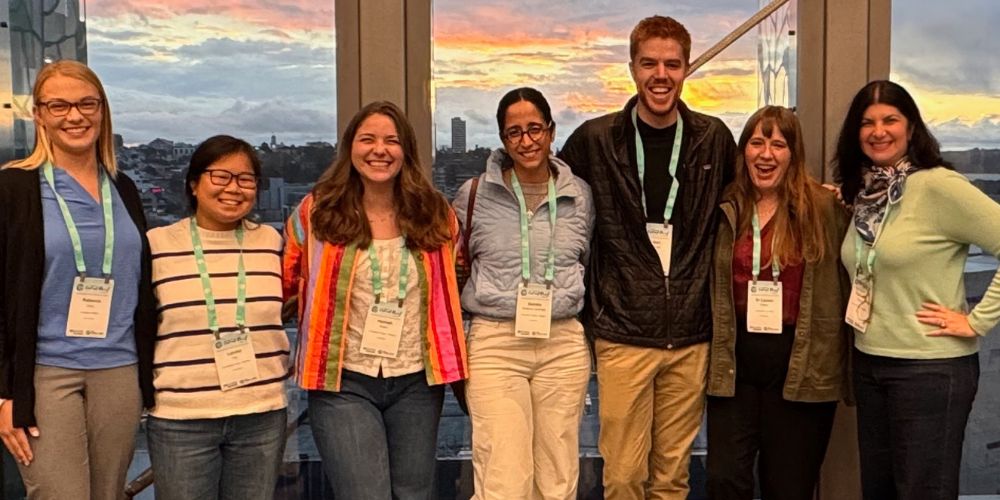
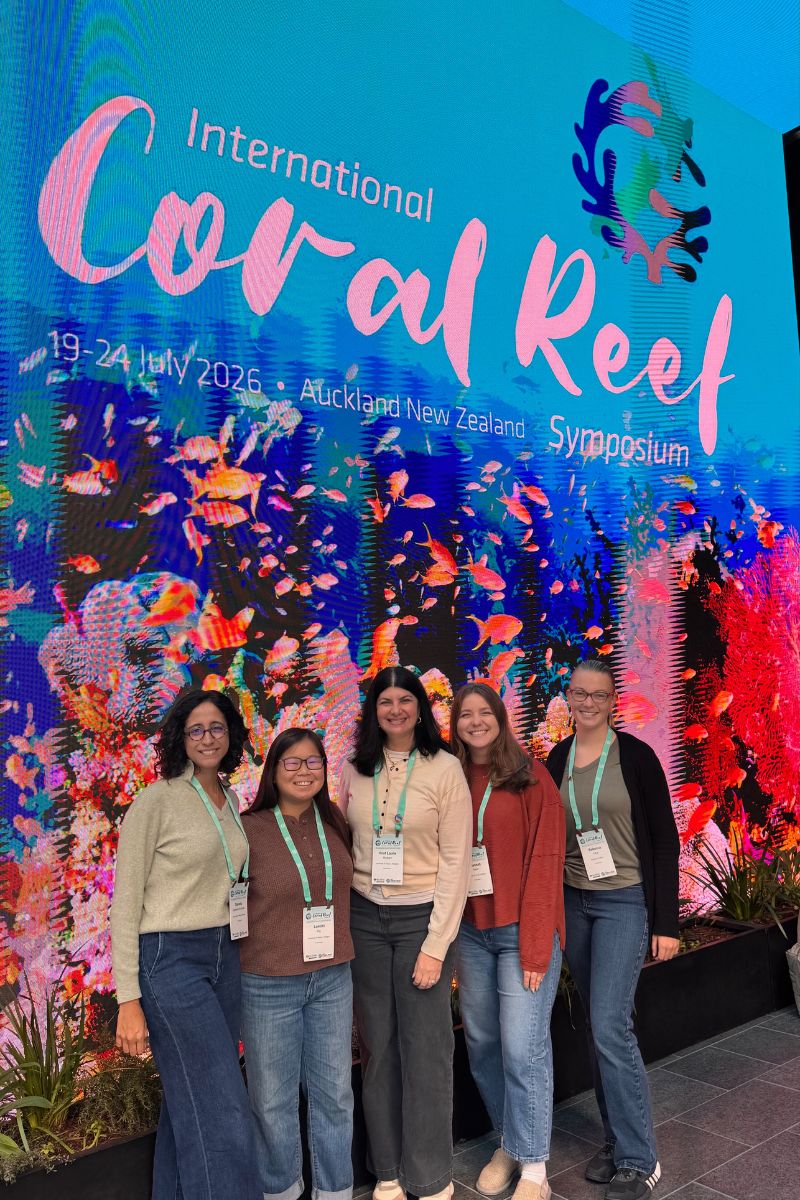
Research conducted at The University of Texas at Arlington is part of a global effort to address growing threats to coral reefs. The University recently sent researchers and students to the 16th International Coral Reef Symposium in New Zealand, the premier global conference for coral reef research, held every four years.
Studies cited by the U.S. Environmental Protection Agency show that coral reefs are declining globally. Many scientists warn that coral reefs are in jeopardy without intensified conservation efforts and climate action.
"The loss of coral reefs would be insurmountable," said Laura Mydlarz, UT Arlington biology professor and associate dean in the College of Science.
Coral reefs occupy only about 1% of the ocean floor but support roughly 25% of marine diversity. One of the most significant consequences of coral reef decline, Dr. Mydlarz said, is its potential effect on the global seafood supply. Healthy reefs serve as nurseries for many fish species and provide shelter for young fish.
"If reefs can no longer sustain those populations," she said, "seafood could become far less available and significantly more expensive."
Other impacts from coral reef loss include reduced tourism revenue and diminished natural protection against erosion, storms and even tsunamis.
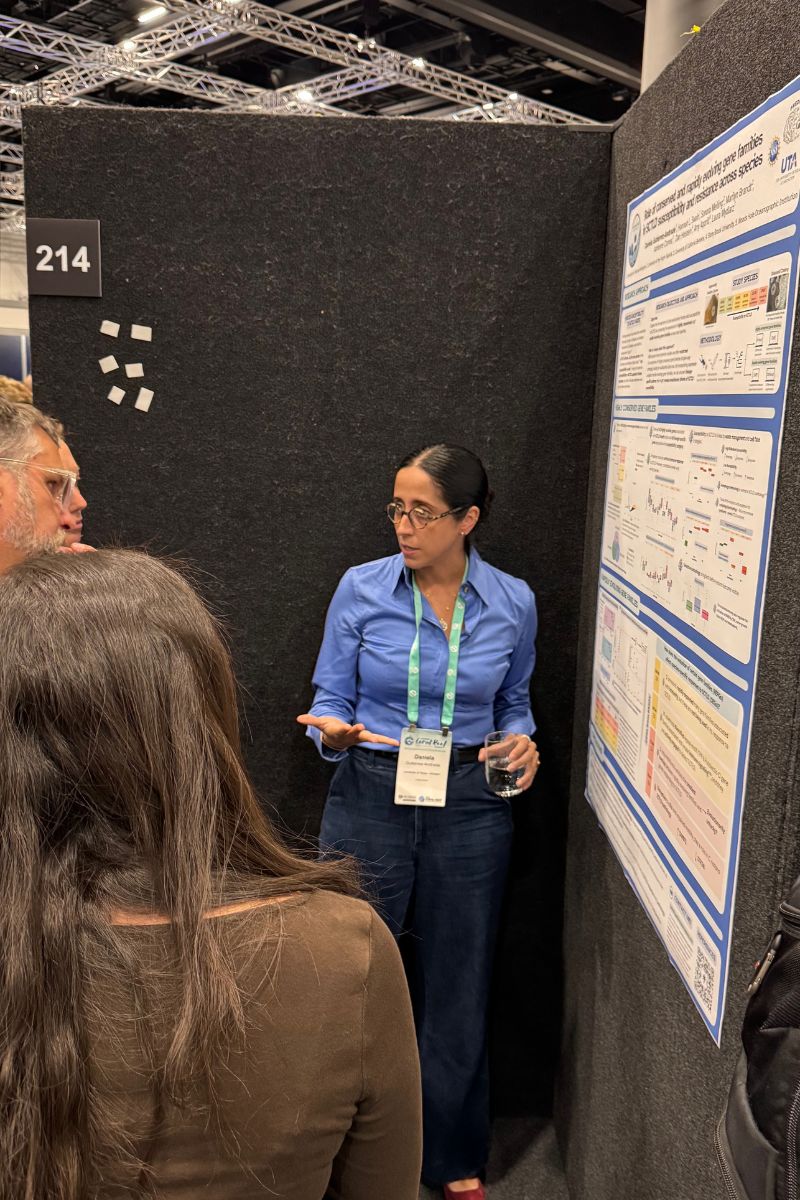
With support from UTA's Graduate School and the Biology Graduate Student Association, Mydlarz and her doctoral students—Hannah Swain, Daniela Gutierrez-Andrade and Lorelei Ing—attended the conference and presented their research on coral disease, immunity and resilience. Presentations included:
- Swain's project: "Molecular and Ecological Drivers of Species-Specific Coral Disease Responses in a Multi-Species Outbreak"
- Mydlarz's project: "Machine Learning for Coral Disease Gene Expression: Highlights, Headaches, and the Path Forward"
- Ing's project: "Integrating Transcriptomics and Histopathology to Understand Similarities and Differences Between the Host and Symbiont Response to Bleaching and Disease"
- Gutierrez-Andrade's project: "Role of Conserved and Rapidly Evolving Gene Families in SCTLD Susceptibility and Resistance Across Species"
- Mydlarz and the students' combined project: "Comparative Transcriptomic Signatures of Caribbean Coral Diseases: Insights into White Plague and Stony Coral Tissue Loss Disease"
Other UTA connections attending were new UTA doctoral student Rebecca Lacy and alumni Lauren Fuess and Nicholas MacKnight. They joined more than 2,100 scientists from over 90 countries to set a record attendance at the symposium, which showcased the latest breakthroughs in coral science.
Among the symposium's key takeaways, Mydlarz said, was the need for immediate global emissions reductions, expanded coral restoration efforts and stronger integration of basic coral biology research into reef management and restoration strategies.
"For us, that means bridging the gap between the scientific research on coral disease and immunity and practical restoration frameworks," Mydlarz said. "Much of our recent work dives into analyzing huge genomic datasets to identify specific biomarkers for disease or resilience, with the goal of developing tools for researchers and field practitioners."
Students said the symposium also highlighted how making smarter environmentally friendly choices in daily life can help protect the health of coral reefs.
"We are continuing to lose reefs at an alarming rate, and coral cover has dramatically decreased worldwide," Swain said. "It's a reminder that our actions on land impact the ocean just as much as what we do in the water."
Despite the challenges discussed throughout the symposium, attendees said they left New Zealand encouraged by the record-breaking gathering and the level of research and innovation focused on protecting coral reefs.
"We left the symposium more hopeful because there is incredible power in collaboration," Gutierrez-Andrade said. "It's very encouraging to see how many people are devoting their careers to protecting and saving coral reefs."
About The University of Texas at Arlington (UTA)
The University of Texas at Arlington is a growing public research university in the heart of Dallas-Fort Worth. With a student body of over 42,700, UTA is the second-largest institution in the University of Texas System, offering more than 180 undergraduate and graduate degree programs. Recognized as a Carnegie R-1 university, UTA stands among the nation's top 5% of institutions for research activity. UTA and its 300,000 alumni generate an annual economic impact of $28.8 billion for the state. The University has received the Innovation and Economic Prosperity designation from the Association of Public and Land Grant Universities and has earned recognition for its focus on student access and success, considered key drivers to economic growth and social progress for North Texas and beyond.


