
The Hong Kong Polytechnic University (PolyU) and CLP Power Hong Kong Limited (CLP Power) have jointly developed a smart "Generator Inspection Robot". By integrating robotics with fibre-optic sensing technology for generator inspections, the project overcomes traditional manual inspection limitations, significantly enhancing the efficiency of inspections and operational safety. The project won a Gold Medal and a special prize—Best International Invention & Innovation, from the National Research Council of Thailand—at the 51st International Exhibition of Inventions Geneva. This international recognition testifies to the achievements of PolyU and CLP Power in fostering industry-academia-research collaboration, injecting momentum into Hong Kong's development in innovative technology and research talent.
A highly reliable electricity supply is vital to the city's social and economic development. As a core facility of the power system, generator inspection and maintenance always require a high level of technical expertise and stringent safety standards. A generator primarily comprises the stationary outer component "stator" and the internal rotating component "rotor". Traditional inspections require the removal of the rotor that weighs approximately 50 tonnes, a complex process involving heavy lifting operations and extensive logistical arrangements.
In light of the unique design of some gas-fired generators at CLP Power's Black Point Power Station, which incorporate internal ventilation baffles, no suitable robotic inspection solutions had previously been available on the market. In response to this operational need, Prof. TAM Hwa-yaw, Chair Professor of Photonics of the Department of Electrical and Electronic Engineering at PolyU, led a team of researchers and undergraduates to collaborate with CLP Power's Generation Business Group to develop a 36‑millimetre‑thick "Generator Inspection Robot" specifically designed to suit the structural characteristics of the generators concerned.
The robot can flexibly navigate the narrow air gaps between the rotor and the stator, and cross the ventilation baffles inside to automatically complete major inspection tasks without removing the rotor. These inspections include visual checks of ventilation ducts, assessing the insulation condition of stator core laminations and conducting wedge tightness inspections through tapping. Compared to manual inspection, the robot helps enhance inspection efficiency while optimising long-term maintenance arrangements.
The robot is also equipped with a fibre-optic sensing network to monitor the operational status of its own key components. This ensures its operational stability while navigating the generator's air gaps, ensuring smooth progression of inspection tasks.
Prof. Tam Hwa-yaw said, "PolyU is committed to promoting knowledge transfer and driving the translation of the University's research outcomes into solid benefits for society. To enhance interdisciplinary learning, I founded the Engineering Entrepreneurship Club, offering undergraduate students the opportunity to participate in cutting-edge robotics research and the development of design solutions for industry, thereby cultivating their entrepreneurial spirit. Spanning approximately five years, this project combines PolyU's research strength with CLP Power's engineering expertise. Some team members have been involved since their freshman year, fully demonstrating the fruits of PolyU's commitment to industry-academia-research collaboration and contributing to Hong Kong's development into an international innovation and technology hub."
CLP Power Senior Director of Generation Mr Kevin Lau said, "CLP Power actively integrates innovative technologies into the daily operations of power stations and encourages our engineering teams to adopt innovative approaches to enhance operational practices. The generator inspection robot jointly developed with PolyU helps to enhance inspection efficiency and operational safety while supporting the development of more forward-looking maintenance strategies. In the long run, this strengthens the reliable operation of power generation facilities and supports the delivery of a safe and reliable electricity supply to the community. The project has also enabled CLP Power's engineering teams to participate in the research, development and application of innovative solutions, further deepening collaboration with academia and nurturing Hong Kong's innovation and technology talent."
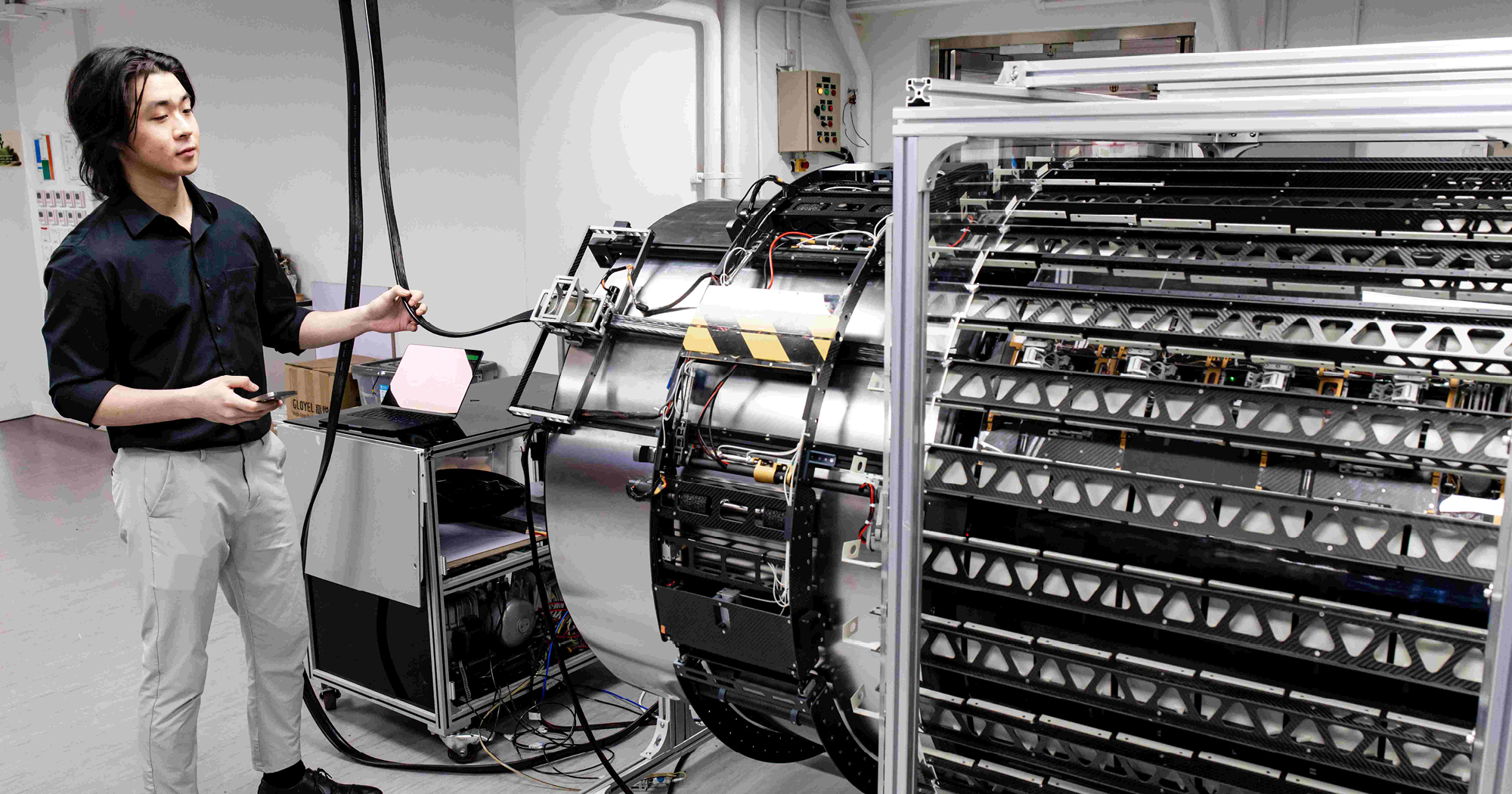
The robot can cross the ventilation baffles inside air gaps to conduct three major inspection tasks—visual checks of ventilation ducts, assessing the insulation condition of stator core laminations, and conducting wedge tightness inspections through tapping.
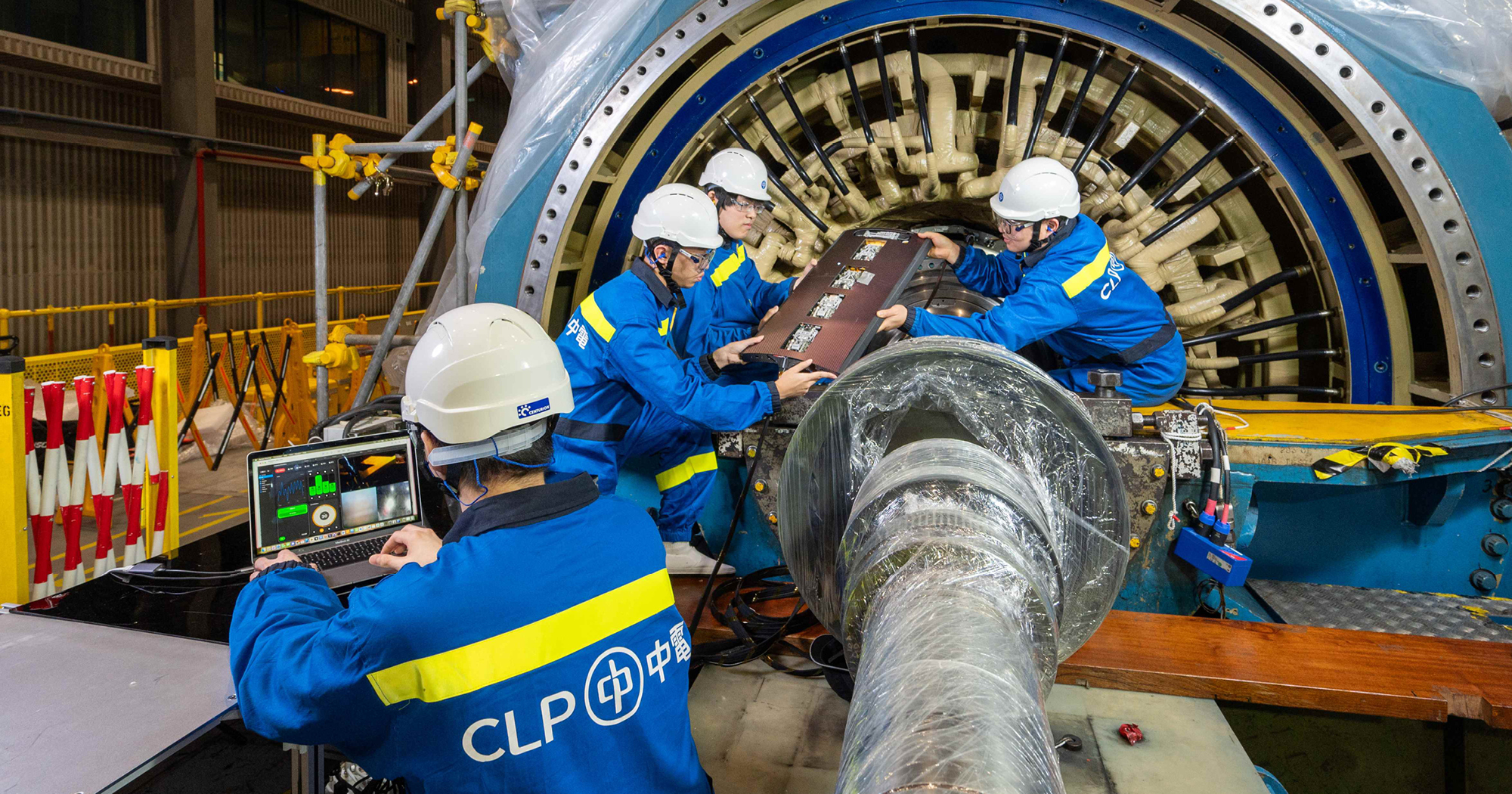
The PolyU research team and the CLP Power engineering team tested the application of the "Generator Inspection Robot" at the Black Point Power Station.


