
Cameras that have been installed in their homes by the CIA, voices that whisper vicious words, and demons that appear in their bedroom at night.
These are the delusions and hallucinations of psychosis, a core symptom of schizophrenia.
Schizophrenia affects 1% of the global population and is caused by a complex interplay between at least 280 genes and environmental factors like childhood trauma and early cannabis use. Patients with good support and treatment can do well. But those suffering from the disease's most disabling symptoms - psychosis together with cognitive impairment - often experience fractured relationships, joblessness, homelessness, and a revolving door of 72-hour psychiatric holds and incarcerations.
Daniel Mathalon , MD, PhD, believes that burgeoning knowledge about biomarkers - biological measures of a medical condition that also serve as markers of treatment effectiveness - could help intercept schizophrenia. Mathalon directs the UCSF Path Program , serving young patients with psychosis and those with milder symptoms that put them at high risk of developing it. He also plays a leadership role in identifying biomarkers for the Accelerating Medicines Partnership® Schizophrenia (AMP SCZ) program, a collaboration between the National Institutes of Health (NIH) and industry.
How does your research with high-risk patients in the Path Program contribute to your goal of reducing risk for developing schizophrenia?
In our research, we identify biomarkers that tell us which high-risk patients are most likely to develop schizophrenia and which are most likely to improve on their own. Eventually, such biomarkers could be used to tailor treatment to each patient's level of risk.
How are biomarkers identified?
Biomarkers may come from biological samples like blood or tissue, or from brain imaging like CT, MRI, or EEG. In my research with high-risk patients, one type of imaging we use is EEG, recorded from the scalp, which measures electrical signals from the brain to identify abnormal brain activity associated with greater risk for schizophrenia.
What if biomarkers indicate a patient will likely develop psychosis?
If biomarker-based predictions are close to 100% accurate, we could consider starting treatment with antipsychotics. We know that delays in prescribing antipsychotics after psychosis onset can cause structural and functional changes in the brain that intensify symptoms and make them harder to treat. With better biomarkers and safer medications, early treatment at the high-risk stage may ultimately lessen the symptoms of schizophrenia or even prevent it.
Why don't you prescribe antipsychotics for all high-risk patients?
These medications can cause weight gain, diabetes, sedation, tremors, and other movement disorders. For most high-risk patients, the risks of antipsychotics outweigh their benefits. Psychotherapy and medications to treat depression and anxiety are considered the best approach.
How do you use biomarkers to identify patients most at risk of developing psychosis?
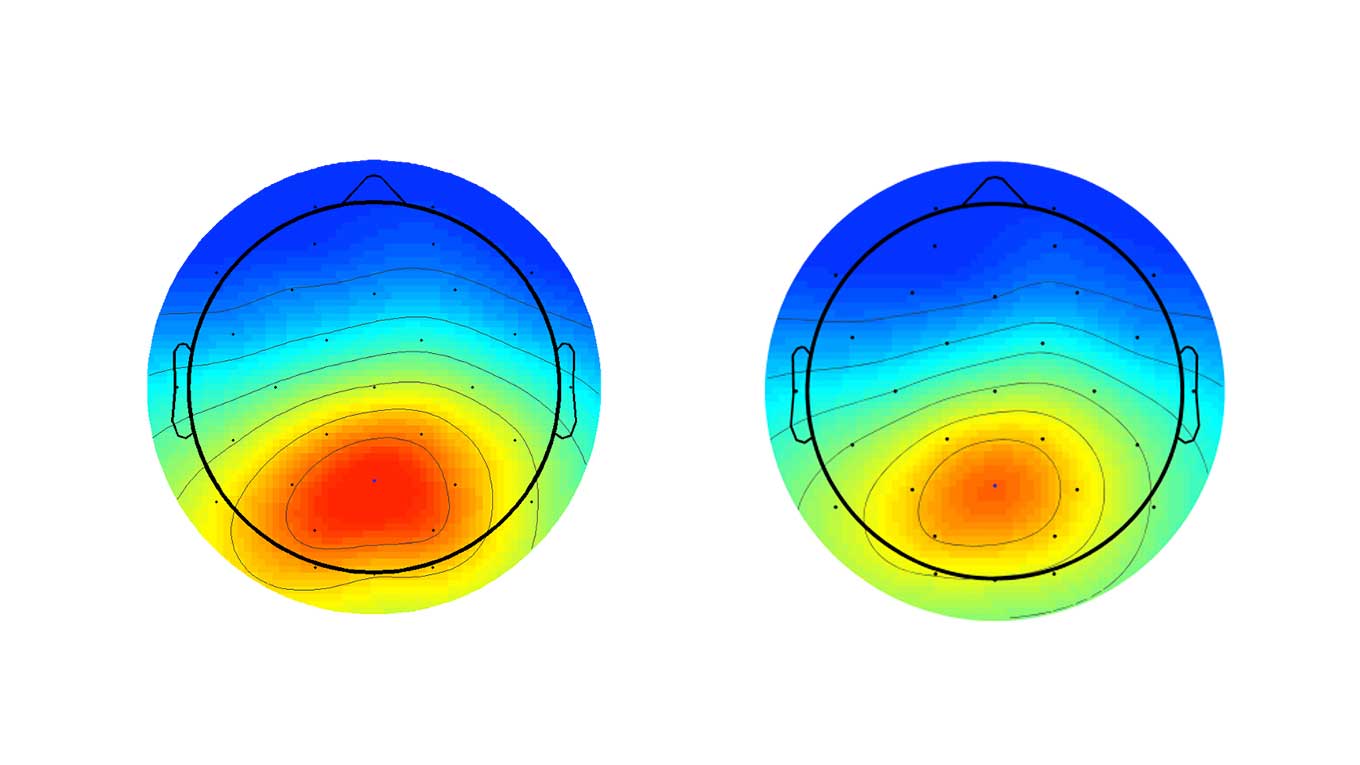
One test we perform with EEG is called P300. It's named for the brain wave produced 300 milliseconds after detecting a distinct sound among other sounds while wearing headphones. High-risk patients who will develop psychosis demonstrate less electrical activity when detecting this distinct sound compared to high-risk patients who will not develop psychosis. This indicates that brain functions supporting auditory processing and attention are abnormal.
What's the most disabling symptom of schizophrenia?
Cognitive impairment can severely limit a patient's ability to live independently and remain socially connected. It's also a primary driver of disability - more so than delusions and hallucinations. About 80% of patients with schizophrenia have cognitive deficits, putting them at risk for unemployment, failure to take medications properly, increased hospitalizations, and low quality of life. Importantly, cognitive deficits also occur in high-risk patients and increase their likelihood of developing psychosis.
Are there treatments for cognitive impairment in schizophrenia or high-risk patients?
There are currently no approved treatments, but I'm working with AMP-SCZ to test a medication to improve cognition in patients at high risk of developing psychosis. During the eight-week clinical trial, we will measure P300 and other biomarkers to see if they change with treatment or predict which patients are most likely to respond to treatment. Patient enrollment has just started.
More information on trial eligibility and enrollment.


