
As global energy markets remain volatile and the price of oil high due to instability and conflict in the Middle East, more countries are looking at investing in renewables to shield their economies from the shocks caused by fossil fuel reliance, rein in import bills - and meet key climate action targets.
Unlike oil and gas, which expose countries to price spikes and geopolitical risk, renewables offer stable, domestically produced power that can strengthen energy security, cut emissions of harmful greenhouse gases and support long-term growth.
In the second in our series focusing on how renewables are shaping the future of energy security, UN News looks at four countries which are striving to increase the share of greener energy sources.
Why it matters:
As The UN Secretary-General António Guterres said in March: "The fastest path to energy security, economic security, and national security is clear: speed up a just transition away from fossil fuels and toward renewable energy."
Germany: Accelerating the energy transition
The big picture:
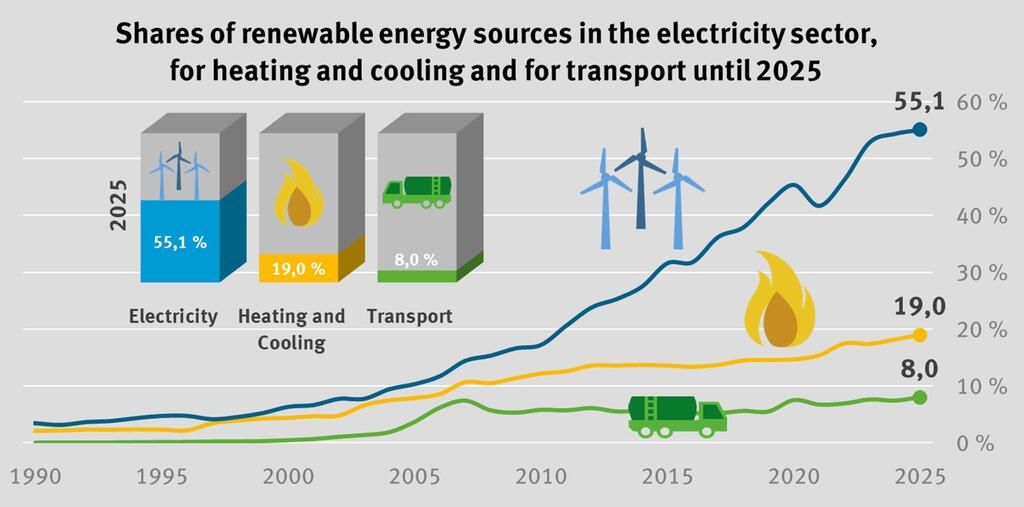
Germany has one of the world's biggest economies and according to its environment agency "renewable energies have undergone constant growth" as part of the European nation's long-term shift away from fossil fuels.
Renewables are helping reduce reliance on imported fuels and insulating consumers from global price shocks as well as tackling climate change.
Energy mix:
- Renewables provide 55 per cent of electricity consumption
- Wind - and to a lesser extent, solar - dominates.
- Biomass (energy generated from organic matter) and hydropower are also part of the mix
- Fossil fuels are still used in industry and transport
Key challenge:
Wind power is by far the most important energy source, and with that comes sometimes inconsistent levels of power generation. Ensuring that industrial demand is met and safeguarding grid stability remains a major hurdle. Meanwhile, there is a continued need for fossil fuel backup during the transition to renewables.
Progress toward full transition:
- Expansion of offshore wind and solar
- Grid modernisation and expansion as well as investing in storage facilities are described as "crucial" to the transition process
India: Scaling renewables for development
The big picture:
India has a growing economy and is the most populous country in the world. It still relies on coal to generate the electricity it needs although solar and wind energy is rapidly expanding.
Renewables are helping to reduce costly fuel imports and to stabilise energy supplies in a dynamic economy.
Energy mix:
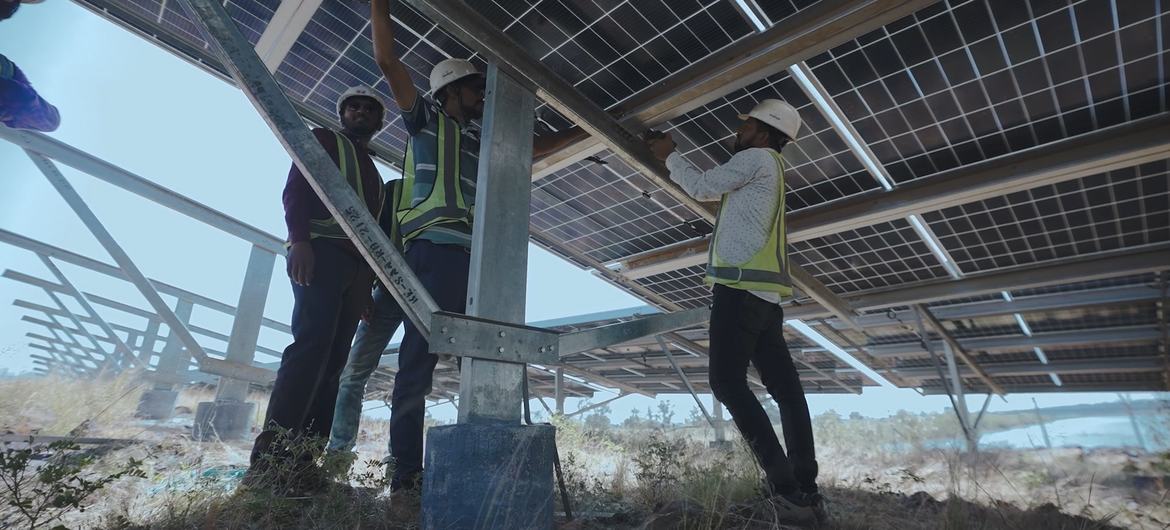
- Renewables account for around 30% of installed capacity (a measure of maximum potential power output)
- Solar is rapidly expanding
- Coal remains dominant
Key challenge:
Meeting the rapidly rising demand for energy as the economy expands while reducing coal dependence remains challenging, particularly given concerns about the affordability of renewables and the need to ensure reliable power across a vast country.
Progress toward full transition:
- Large solar parks and rooftop expansion
- Wind and hybrid systems
- Green hydrogen initiatives


