
In a new thesis from Karolinska Institutet, Letizia Orsini developed advanced statistical methods to support clinical decisions about breast cancer treatment and to inform policy-makers in the design and evaluation of breast cancer screening strategies.
Breast cancer is the most common cancer among women. In Sweden, since the 1970s the 5-year survival rate has increased from about 72% to about 93%, most likely because population screening was introduced, and several new treatments became available. However, there is still substantial room to improve outcomes and optimise care. Treatment may be able to be better managed through personalisation, for example, tailoring doses and length to individual patient characteristics. Screening may also benefit from being risk-adapted to a greater extent than it is today, with, for example, shorter intervals for individuals at higher risk of breast cancer and longer intervals for those at very low risk.
What have you done in your studies and what were the most important results?
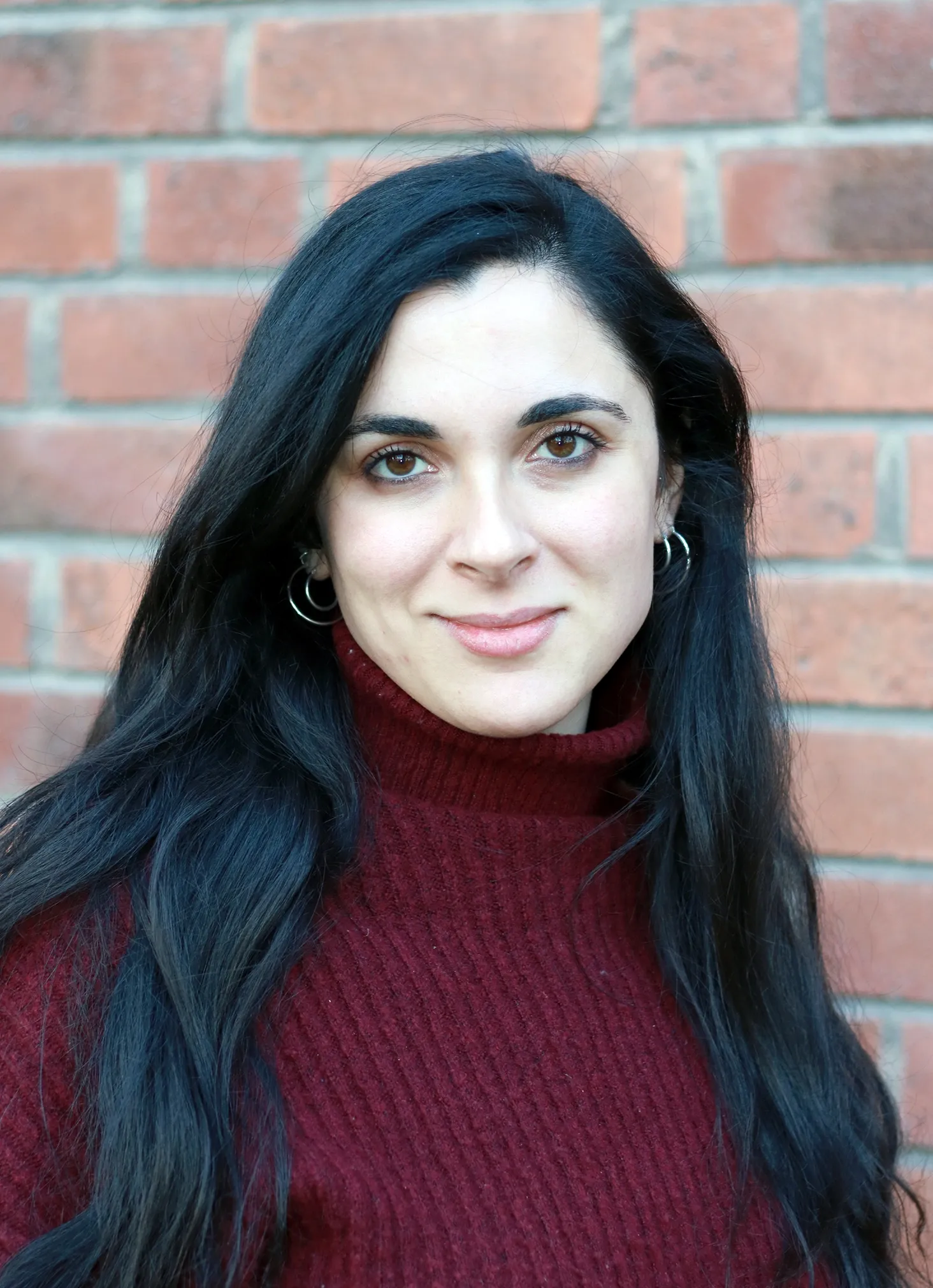
"In the first study, we developed a statistical method to predict how many breast cancer cases will be diagnosed between two screening rounds, so called interval cancers. We estimated that if women aged 50-74 are screened annually, about 12% of cancers will be interval cancers; with screening every two years, 28%; and every three years, 42%. At first glance, this might suggest that more frequent screening is always preferable, but screening also has important downsides. Some screen-detected cancers would never have become clinically apparent during a woman's lifetime and detecting them can lead to unnecessary treatment and affect quality of life," says Letizia Orsini , doctoral student at the Department of Medical Epidemiology and Biostatistics , KI.
"In the second paper, we applied the method developed in the first study to estimate tumour growth rates by subtype and to quantify the average time from tumour onset to symptomatic diagnosis. We found that less aggressive tumours tend to grow substantially more slowly and may remain clinically silent for approximately 7-11 years. In contrast, more aggressive subtypes have shorter asymptomatic periods, averaging about 4.5 years. In the third project, we developed a model to predict the survival benefit of extending hormone treatment from 5 to 10 years. We saw that extending treatment provides a clinically meaningful survival benefit primarily for patients with larger tumours, while the expected benefit appears limited for those with small tumours."
What do you think should be done in future health care and research?
"The models developed during my PhD could be useful for evaluating different breast cancer screening and treatment strategies. However, they are based on mathematical assumptions that need to be carefully tested and compared with other established approaches. In my final paper, we compared our model, which tracks tumour growth continuously over time, with other commonly used models. The results showed that both approaches have strengths and limitations, and more work is needed to evaluate them in different settings. One challenge is that tumour size is often recorded in broad categories rather than as an exact measurement, which can make it harder to represent accurately in the models."
Doctoral thesis
" Natural history models of breast cancer for screening and treatment evaluation ". Letizia Orsini, September 2026.
Facts about doctoral theses
A doctoral thesis is the final written product of a postgraduate education, which in Sweden corresponds to four years of full-time studies. It varies between different disciplines how a doctoral thesis is structured. In the field of medicine, the doctoral student usually collects three to five scientific articles and presents them together with a thesis summary or overview, a so-called 'kappa' (literally meaning overcoat in Swedish).
After the doctoral student has passed the public defence of the thesis, he or she receives a doctoral degree (also called a PhD), which is the highest possible educational degree in Sweden. Karolinska Institutet has approximately 2,000 active doctoral students and each year approximately 350 doctoral theses are published at our university.


