
Most breast cancer patients in Uganda and Ethiopia are diagnosed too late, and many lack access to life-saving treatment. Tove Ekdahl Hjelm defends her thesis "Early-onset breast cancer in East Africa: genetics, tumor characteristics and clinical management" on June 5, where she highlights deficiencies in access to adequate care, but also that more lives can be saved.
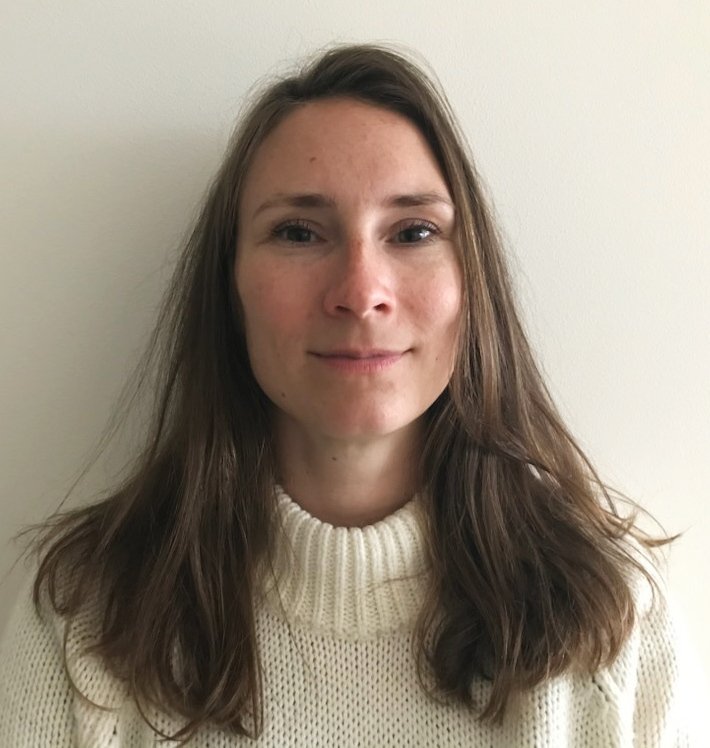
"My thesis focuses on breast cancer in young women in Uganda and Ethiopia. In Sub-Saharan Africa, there are no national screening programs for breast cancer, and many patients are young-often under 40-when they are diagnosed. Unfortunately, patients are often diagnosed so late that the tumor has already spread to the lymph nodes and/or other organs. Access to adequate diagnostics, surgery, radiotherapy, and cancer medications is limited, resulting in many patients not receiving the necessary treatment. Consequently, most patients die from their cancer. This sharply contrasts with the situation in Sweden, where most breast cancer patients are diagnosed early and can be cured", says Tove Ekdahl Hjelm , doctoral student at the Reconstructive plastic surgery and global surgery group , the Department of Molecular Medicine and Surgery , Karolinska Institutet.
"In the thesis, we investigated access to breast cancer surgery, how advanced the disease is at diagnosis, which tumor types dominate, the prevalence of hereditary breast cancer, and to what extent patients can start and complete their recommended oncological treatment."
Which are the most important results?
"The results show significant gaps in access to surgery and comprehensive cancer care. In Uganda, only a fraction of those estimated to develop breast cancer actually underwent surgery. In Ethiopia, patients were diagnosed at a later stage of disease than in Sweden. The study also shows that only one in five patients with potentially curable disease initiated their full recommended treatment (surgery, chemotherapy, radiotherapy, and hormonal therapy)."
"One of the more striking findings was that more than one in five patients (>20%) had a mutation (pathogenic variant) in a gene linked to a very high risk of breast cancer (BRCA1, BRCA2, or PALB2). This is a high number, indicating that heredity might play a significant role in breast cancer development in Ethiopia."
How can this new knowledge contribute to the improvement of people's health?
"In summary, the thesis highlights a great need to strengthen breast cancer care in these regions, from early detection to improved access to surgery, cancer drugs, radiotherapy, and genetic counselling and testing adapted to local conditions. By identifying high-risk individuals and offering follow-up focused on early detection, more patients could potentially be diagnosed at an earlier stage, when cure is still possible."
What are your future ambitions?
"I hope to continue my research in global oncology, with the ambition to contribute knowledge that can improve patient care in these regions."
"I am interested in building on projects focused on early detection, prevention, and improved treatment. It would be fantastic to be part of a collaboration between researchers in Sweden and colleagues in low-income countries, with the goal of developing and implementing new technology for diagnostics and treatment prediction. This technology could potentially be very useful in environments where resources are limited and needs are great," says Tove Ekdahl Hjelm.
Dissertation
Friday June 5, 2026 at 09:00, room Ihre, Södersjukhuset . The doctoral thesis has been supervised by Jenny Löfgren.
Thesis
Ekdahl Hjelm, Tove (2026). Early-onset breast cancer in East Africa : genetics, tumor characteristics and clinical management. Karolinska Institutet. Thesis. https://doi.org/10.69622/31388287.v1


