

People living with a serious heart condition that has few treatments appear to benefit from an interventional drug, according to results of a randomized clinical trial reported today in the New England Journal of Medicine.
The lead investigator from Oregon Health & Science University also reported the results during the European Society of Cardiology Congress 2026 in Munich.
The drug, known as aficamten, was developed by Cytokinetics, a San Francisco Bay Area-based biopharma company, and initially targeted an obstructive form of hypertrophic cardiomyopathy, which is a thickening of the heart muscle that's usually inherited. Today, researchers reported results from a Phase 3 placebo-controlled randomized clinical trial testing the treatment on people with a nonobstructive form of the condition.
For that group of patients, the condition isn't necessarily deadly with modern management, but it can be debilitating by greatly reducing their ability to exercise or even to walk.
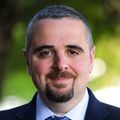
"Based on this trial, this is the first-ever successful therapy for nonobstructive hypertrophic cardiomyopathy," said lead author Ahmad Masri, M.D., M.S., associate professor of medicine (cardiovascular medicine) in the OHSU School of Medicine. "These results are highly encouraging for patients with this condition and for cardiologists who struggle to help them."
Hypertrophic cardiomyopathy affects an estimated 1 in 350 people worldwide, with about half living with the non-obstructive version.
Largest single site for enrollment
Masri is the lead investigator for the trial, known as ACACIA-HCM.
OHSU recruited the largest number of participants in the international clinical trial, with 33 of the 517 participants. Participants were enlisted at 160 health centers in 19 countries across the world, with almost half assigned to receive aficamten and the remainder assigned to receive a placebo.
The trial followed participants for up to 72 weeks. The primary results, which were compared after 36 weeks, showed people who received aficamten significantly improved their capacity for exercise, quality of life and clinical outcomes compared with placebo.
The findings represent a landmark for a condition that is generally underdiagnosed, even though it can be deadly without proper management, Masri said.
"Unless it runs in their family, some patients don't even know they have it for a long time, so it's underdiagnosed and frequently mismanaged," he said.
The condition can be quite serious, including sudden death by cardiac arrest. Once it's diagnosed, Masri said people manage the condition primarily through lifestyle changes such as treatment of hypertension, diabetes and sleep apnea, while also minimizing consumption of alcohol and managing weight gain — all aspects of improving overall cardiovascular health.
"Until this point, there has never been a drug that you can tell the patient, 'I will give you this medication to make you feel better,'" Masri said.
The medication is a cardiac myosin inhibitor that works by effectively relaxing the heart muscle.
'Hope for the future'
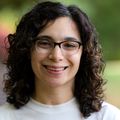
Sarah Efron, 39, of Portland, is a longtime patient at OHSU with a family history of hypertrophic cardiomyopathy — a condition that claimed the lives of a grandfather, an aunt, an uncle and a cousin in childhood. Efron was officially diagnosed a decade ago, and the condition gradually worsened to the point that she was experiencing daily chest pain and increasing difficulty walking.
"I live in a very hilly neighborhood, and I noticed over time that I had more and more trouble walking the hills," she said.
Masri, her cardiologist, expected she may need a heart transplant in another 10 years.
Three years ago, she became the first patient in the world to be screened and ultimately enrolled in a new clinical trial to test aficamten against her nonobstructive form of hypertrophic cardiomyopathy.
She says it has dramatically improved her condition.
Efron was blinded as to whether she initially received the active medication or a placebo, but she said it became obvious after 36 weeks that she was receiving the placebo. She's now receiving aficamten through open-label access available to all clinical trial participants who have completed the 36-week trial.
She's been on the medication since March 2025.
"I was dealing with chest pain daily, and that has almost disappeared with the drug," she said. "My exercise tolerance has increased a lot. I can walk up stairs, and I can walk my dog up and down hills without a problem."
Efron said she's hoping the drug eventually receives official approval for this form of hypertrophic cardiomyopathy from the Food and Drug Administration so that others can benefit as she has.
"It's been fantastic. I've been able to go out and do more things, whether it's taking a hike or spending the whole day out in the world like a normal person," she said. "This drug gives me hope for the future."
The clinical trial was funded by Cytokinetics.
In the interest of ensuring the integrity of our research and as part of our commitment to public transparency, OHSU actively regulates, tracks and manages relationships that our researchers may hold with entities outside of OHSU. In regard to this research, Ahmad Masri, M.D., M.S., has received research grants from Cytokinetics and payments for consulting from Cytokinetics, Imbria, Edgewise, Tenaya and BioMarin. Review details of OHSU's conflict of interest program to find out more about how we manage these business relationships.


