
An ACIAR-supported project is evaluating how digital tools can help improve smallholders access to quality assured, inclusive and competitive domestic and export markets.
A mango cooperative run by Thai ethnic farmers in north-west Vietnam is gaining greater choice over where it sells its fruit, opening up new markets and strengthening its bargaining power with help from a A$2.3 million ACIAR-supported project, led by Applied Horticultural Research, Australia.
The new markets have also delivered a significant financial benefit, with VietGAP-certified mangoes fetching prices up to 77% higher through modern supermarkets in Hanoi than through traditional local markets.
For Ban Chum Cooperative Director Mr Hoang Van Hai, however, the most important long-term benefit is not higher prices. It is having choices.
'Before, we could only sell to the local traders who were also our only source of market information and access. Now we have better information to compare prices and start negotiating with local traders.'
'It's good to have stronger bargaining power,' he said.
VietGAP certification opens up opportunities
VietGAP certification, short for Vietnamese Good Agricultural Practice, is a nationally recognised standard for agricultural production.
Ban Chum Cooperative had previously secured VietGAP certification for some of its orchards. But this certification lapsed in 2023. With the project's support, the cooperative regained certification and, more importantly, connected it with new market opportunities.
'Before, we did not implement VietGAP properly because we didn't have enough support, so our products couldn't reach higher-value markets. With the project's very hands-on support, from production techniques like pruning, irrigation, fertilisation and pest control to market access, we have improved the quality of our mangoes and, for the first time, seen them sold in supermarkets,' said Mr Hai.
'That was amazing.'
Yet, the journey to the supermarket's shelves was not straightforward. Farmers were not familiar with some of the record-keeping required for certifications, including documentation of farm inputs and production practices.
Through hands-on training, the project helped Ban Chum farmers build these habits and begin using Eden Hub, a phone-based traceability application for recording production, post-harvest handling and shipment information.
'We first sat down with farmers, one-on-one and in small groups, to explain what certification involves and why it matters. We worked through paper-based record keeping, helped install safety signage, and supported the cooperative through the formal application process,' said Mr Liam Rogers, the project co-leader from Applied Horticultural Research.
The change was significant. Farmers who had never kept any records began doing so because they could see what was at stake: certification opened access to potential buyers willing to pay more.
Even when they encountered problems with the app, they continued using it, with some turning to voice input rather than typing.
'This kind of persistence only comes once farmers see a benefit worth persisting for,' said Mr Rogers.
Support is still needed, particularly around market access, branding and postharvest handling.
'These farmers are willing to modernise their production. But they need expertise in post-harvest technique to optimise product quality, as well as support with branding and marketing to strengthen their market access,' said Dr Nguyen Quoc Hung, the project's co-leader and Director of Fruit and Vegetable Research Institute (FAVRI) in Vietnam.
'We are confident we are giving them tools that can take them far beyond the scope of our project.'
Growing independence
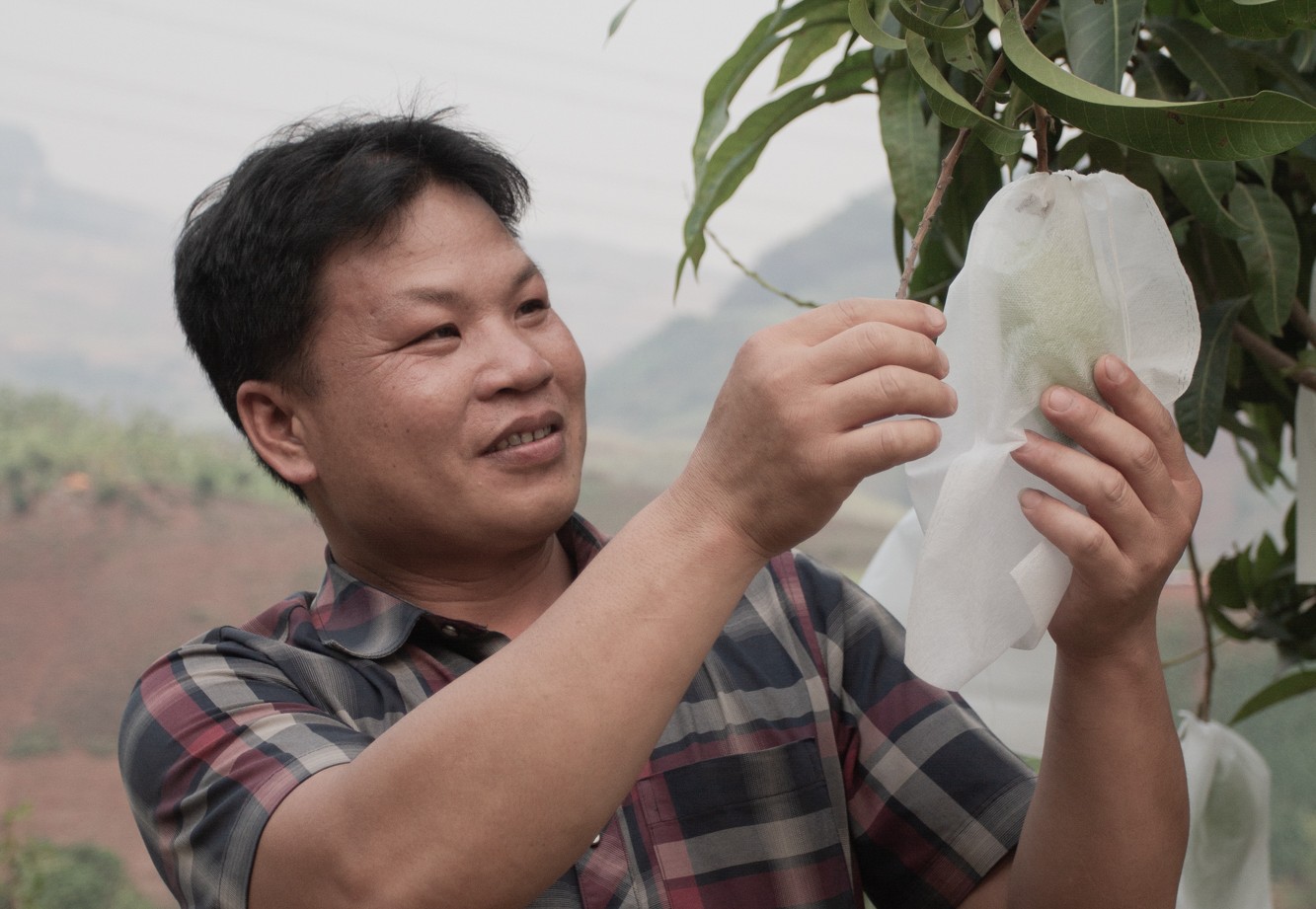
Mr Hai also sees growing independence as one of the most important benefits of participating in the project.
'We are gaining the knowledge and skills to do things ourselves,' said Mr Hai.
'We understand the whole process much better, from production and postharvest handling to marketing and sales. We also understand the market better and what different buyers are looking for.'
Ban Chum Cooperative is now looking beyond certification. Mr Hai wants Ban Chum to stay ahead as more growers move towards digital tools and better market information.
'We want to enhance our products and continue to expand our options. We don't want to limit ourselves to 1 or 2 markets.'
For Ban Chum Cooperative, the goal is simple: having more choices and more control over where their mangoes go.
The project will continue until 2028.
Learn more about the project.


