
Treasures of belief, power and survival - buried for more than a thousand years
Opens May 28 until October 11
Step into the world of early medieval Scotland and explore the remarkable Galloway Hoard—a collection of Viking-age artifacts that offers a rare glimpse into the past.
One of the Britain's most important archaeological finds of the century, The Galloway Hoard, will go on display at the Australian National Maritime Museum from May 28 until October 11.
Details hidden for over a thousand years have been revealed through conservation, painstaking cleaning and cutting-edge research by a broad range of experts led by National Museums Scotland
The Galloway Hoard is the richest collection of rare and unique Viking-age objects ever found in Britain or Ireland. Buried around AD900 and discovered in 2014 in southwest Scotland, the Hoard brings together a stunning variety of objects and materials in one discovery. The exhibition features an array of treasures, including jewellery, personal keepsakes, and unique items sourced from as far as Central Asia.
The Galloway Hoard, weighing over 5 kilograms and comprising silver, gold, and other precious materials, was carefully interred in a manner that preserved delicate organic substances like silk and textiles—an exceptional find for this era. The diversity and rarity of the objects, along with ancient heirlooms, have significantly deepened understanding of the Viking Age in northern Europe.
This collection transports visitors to a pivotal era marked by the emergence of the regions now known as Scotland, England, and Ireland, set against the backdrop of Viking incursions and settlements.
For the first time in Sydney, and following successful showings in Adelaide and Melbourne, more than 90 artifacts from the Hoard will be exhibited, inviting audiences to uncover the identities and stories of those who concealed these treasures, delve into the broader Viking-age
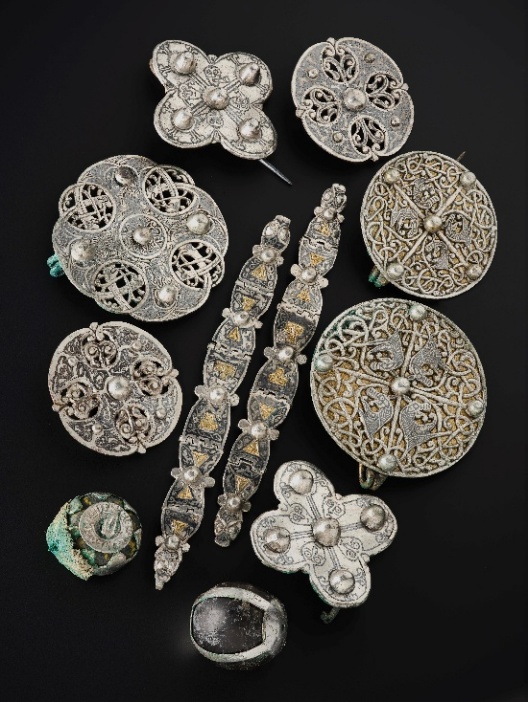
Ms Daryl Karp AM, Director and CEO said, 'The Galloway Hoard is a remarkable window into a significant period in maritime history, when the sea linked the land we now call Scotland with far-reaching routes of trade, travel and cultural exchange across Europe and beyond. The extraordinary craftsmanship, from intricate silver work to rare surviving textiles, reveal not only the wealth generated by these networks, but also the artistic imagination of the Viking Age.'
Dr Martin Goldberg, Principal Curator, Medieval Archaeology & History, National Museums Scotland said, 'The Galloway Hoard has repeatedly drawn international attention since its discovery and acquisition by National Museums Scotland. But this hoard was in many respects a journey into the unknown, and the exhibition presents all of the amazing discoveries we have made through our research. We're delighted the exhibition can now be seen by audiences outside the UK, a once in a lifetime opportunity to experience these exceptional objects in person.'
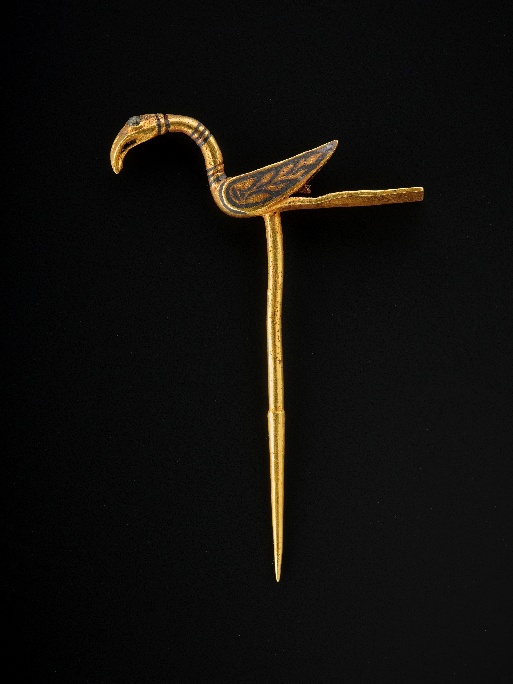
Discovering and decoding the secrets of the Galloway Hoard was a multi-layered process. Conservation of the metal objects has revealed decorations, inscriptions and other details that were not previously visible.
Many of the objects are types that have never been seen before in Britain and Ireland and proved challenging to identify. Some had travelled thousands of miles to reach Scotland.
Some items are too fragile to travel long distances, particularly those with rare textile survivals. The exhibition uses AV and 3D reconstructions to enable visitors to understand these objects and the work that is being done with them.
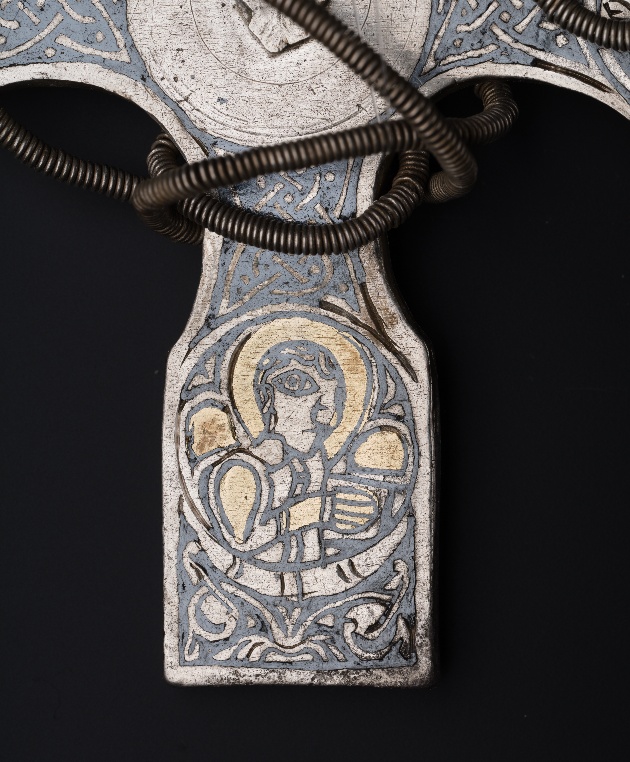
Treasures of the Viking Age: The Galloway Hoard opens at the Australian National Maritime Museum on May 28 until October 11.
Exhibition produced by


