
For the past three decades, a team of prehistoric archaeologists have been uncovering some of the field's most recent monumental discoveries, relying on gut instinct, persistent hard work, and cutting-edge methods and technologies.
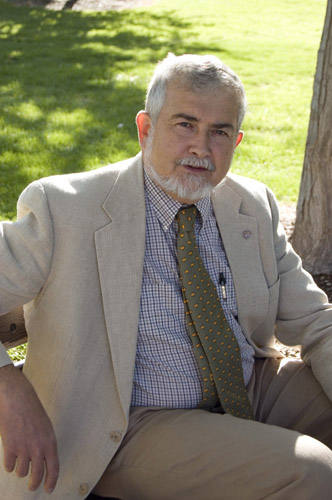
The El Mirón Cave excavation project has been a long-term commitment for the lead researchers, fueled by each new discovery and a continued curiosity about the life and times of our ancient ancestors. Their dogged field and lab work, interdisciplinary and international collaborations, and scores of publications have established El Mirón as one of the most complete prehistoric records on the Iberian Peninsula.
Leslie Spier Distinguished Professor Lawrence Straus of the University of New Mexico and Manuel González Morales of the Universidad de Cantabria in Santander have been co-directors of this project since its inception in 1996.
They have recently published a synthesis of the main results of their comprehensive research as the feature article in UNM's Journal of Anthropological Research, volume 82, titled A Window into 40,000 Years of the Prehistory of Iberia: The Long Excavation of El Mirón Cave, Cantabrian Spain.
Since the start, the cave has yielded a treasure trove of scientific discoveries that have helped anthropologists better understand one of Europe's longest continuous sequences of human occupation from the time of the last Neanderthals through the Bronze Age. By documenting and publishing their findings, Straus and González Morales have enabled Spanish museums not only to preserve artifacts spanning tens of thousands of years of human history but also to share some of them with the public.
"El Mirón is what we call in archaeology, a persistent place, a site where people have lived and done a wide variety of activities, repeatedly for over 40,000 years," said Straus.
Analysis of the site has revealed evidence of life spanning nine major archaeological and cultural time periods, including Middle Paleolithic, Early Upper Paleolithic, Gravettian, Solutrean, Magdalenian, Mesolithic, Neolithic, Chalcolithic and Bronze Age.
The team involved in excavation, analysis, and documentation has evolved over the years to include many archaeologists and students from around the world, including close to 25 students from UNM, ranging from the undergraduate to the doctoral level. UNM Ph.D. dissertations by Rebecca Schwendler, John Rissetto, Yuichi Nakazawa and Lisa Fontes have resulted from the project.
Over 30 years of archaeological investigation, researchers have uncovered evidence that has gradually reshaped understanding of environments, human populations, and adaptations at the site, in the region, and across Western Europe, cementing the cave's status as a historically significant site.
El Mirón continues to excite students and professionals today simply because it keeps on giving.
Discovery timeline: The beginning
El Mirón is located above the Asón River valley in Cantabria, Spain, on the edge of the Cantabrian Cordillera near the Bay of Biscay. First discovered in 1903 by local archaeologists, it is a deep limestone cave with a thick sedimentary infilling consisting of many strata. Because of the ongoing research project, we now know that it features millennia-old wall art, portable art carved in bone and stone, a spacious, repeatedly used living area in its vestibule, a 19,000-year-old Magdalenian-period ritual burial, and, more recently, a corral where shepherds had penned their goats.
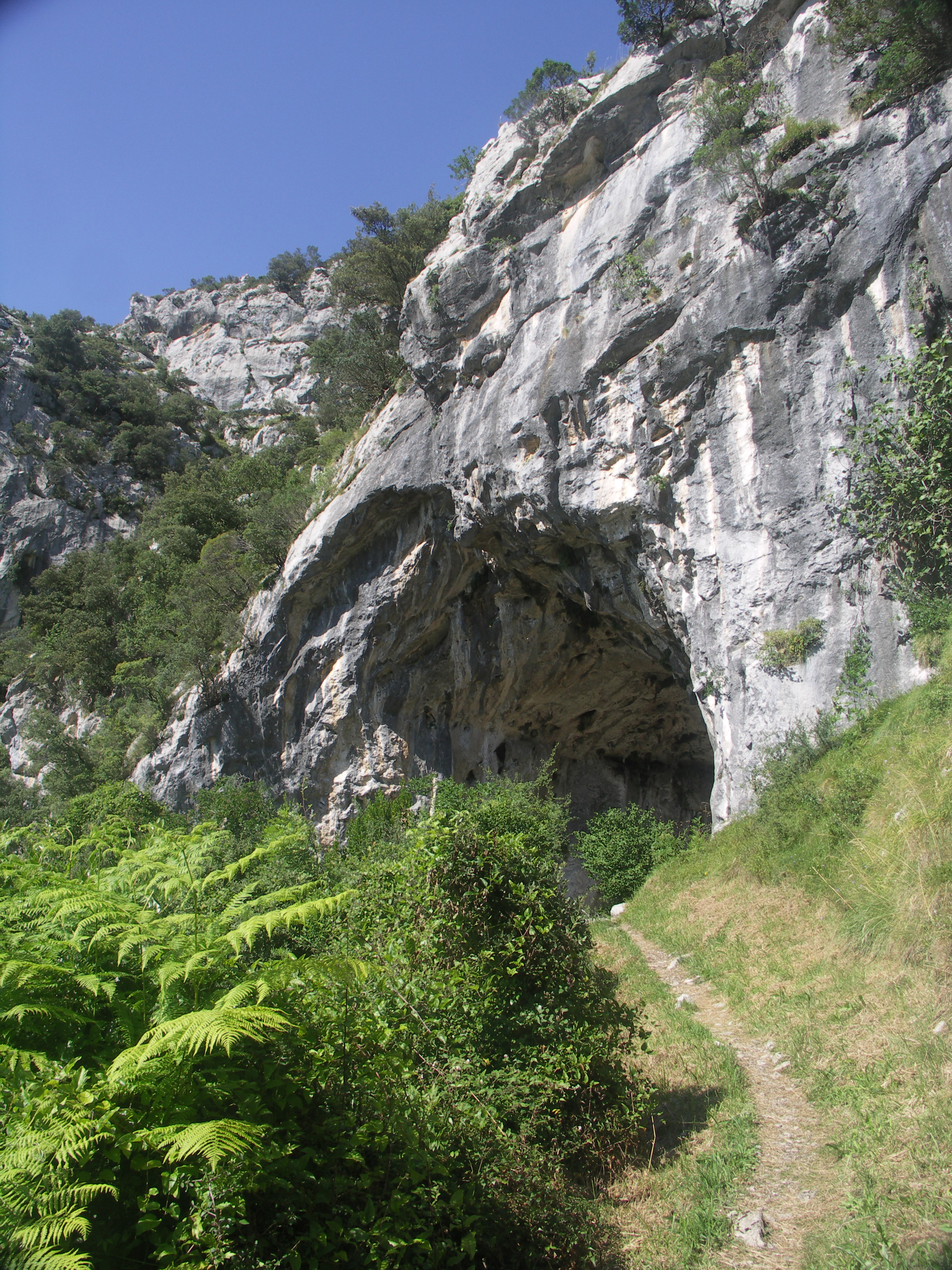
The cave's entrance sits high on the mountainside and is a prominent feature, offering sweeping views of neighboring mountains and the valley below. The mouth of the cave is wide and features a dry, sunlit vestibule, where most of the excavations have taken place.
Straus first visited the cave in 1973 during his University of Chicago dissertation research on the 25-21,000-year-old Solutrean period in northern Spain.
"It's been quite a long ride and an interesting one from the time when a solitary, young, rather naive Ph.D. student climbed up to and, with a feeble flashlight, explored the cave which nobody had paid any attention to in decades," he said.
Twenty-three years later, in 1996, Straus and his longtime colleague and friend, González Morales, began excavating at El Mirón out of curiosity, as a test to see whether they could find intact archaeological artifacts. What they uncovered over the next three decades would reshape scientists' and the world's understanding of Europe's ancestral populations.
Over time, Straus, González Morales, and their collaborators have obtained 102 radiocarbon dates using highly precise techniques, such as accelerator mass spectrometry, to date the prehistoric periods represented in the cave. The team has analyzed hundreds of thousands of stone and bone artifacts and faunal remains, as well as several rock walls and portable art engravings, including images of horses and red deer. The team has also analyzed DNA from human, animal, and fish remains, sediments, and even calculus from human teeth, as well as stable isotopes from human and animal bones and teeth. All of this evidence shows how rich the cave's history was, especially during the Magdalenian and Neolithic eras.
According to Straus, in addition to the long Ice Age sequence, the Neolithic levels yielded the earliest evidence of wheat agriculture, domesticated animals and ceramics in northern Atlantic Spain around 6500 years ago, while the subsequent Chalcolithic and Bronze Age layers contained numerous large storage pits and even evidence of metallurgy, including a copper awl.
Foundational discoveries
From the very beginning of the dig, Straus, González Morales and their team started recovering evidence of the hunting, fishing and gathering practices of early Homo sapiens. The objects found and analyzed ranged from classic artifacts, including items of personal adornment such as perforated elk and ibex teeth, seashells and slate, tools made on both local stones and imported flint and faunal remains. To unique ones, such as works of portable art, spear-thrower hook-like ones found at sites hundreds of kilometers to the north near Bordeaux, France, and the human burial site at the back of the vestibule.
Paleolithic people used flint to make tools and hunting weapons, because it could be easily broken into razor-sharp flakes and blades. Straus shared that "people were bringing most of it from 50 to 60 kilometers away because there was no good flint in the area of the cave, while other kinds of tools, like heavy-duty scrapers, were made on local quartzite and mudstone."
The team has uncovered large numbers of animal bones and lithic fragments, including cores, flakes, bladelets, hearths, and stone and antler projectile points, dating mostly to the Solutrean and Magdalenian periods. The evidence points to systematic hunting of red deer (elk), ibex, horse, chamois, and roe deer, as well as fishing for salmon and trout. They also found remnants of a possible stone wall that reveal how the cave's early inhabitants organized their living spaces in the vestibule. This was studied in conjunction with Emily Jones, a UNM Anthropology professor and faunal analysis specialist.
"After the discovery of the first human bones, including the mandible and a tibia, as we continued to dig in the SE corner of the vestibule rear, we always knew when we were in the burial layer. It is bright red and sparkles with hematite crystals."
- Leslie Spier Distinguished Professor Lawrence Straus
With all this information, they can describe the daily life and survival patterns of each era, providing a critical understanding of how Ice Age and more recent agriculturally based humans lived, subsisted, and used the cave as a living space in different ways.
One of the most spectacular portable art objects found at the site is a nearly complete red deer scapula decorated with a striation-engraved image of a red deer hind, typical of the Lower Magdalenian in Cantabria, both on the shoulder blades and on cave walls. More than likely, these are an "iconic" symbol of a regional band at the time of the El Mirón Red Lady.
Throughout the living space of the cave vestibule, they found hearths, fire-cracked rocks likely used for boiling water, and habitation surfaces that showed people had repeatedly occupied the cave, made tools, butchered game carcasses, such as domesticated sheep, goats and cattle, and cooked inside the cave.
All of the evidence speaks to alternately long- and short-term occupation in the different cultural periods (some seasonal, others more-or-less yearlong), from Neanderthal times through the Bronze Age, across a wide range of climatic and environmental conditions from the coldest period of the Last Ice Age to periods even warmer than today in the early Holocene.
The Red Lady of El Mirón: A landmark discovery
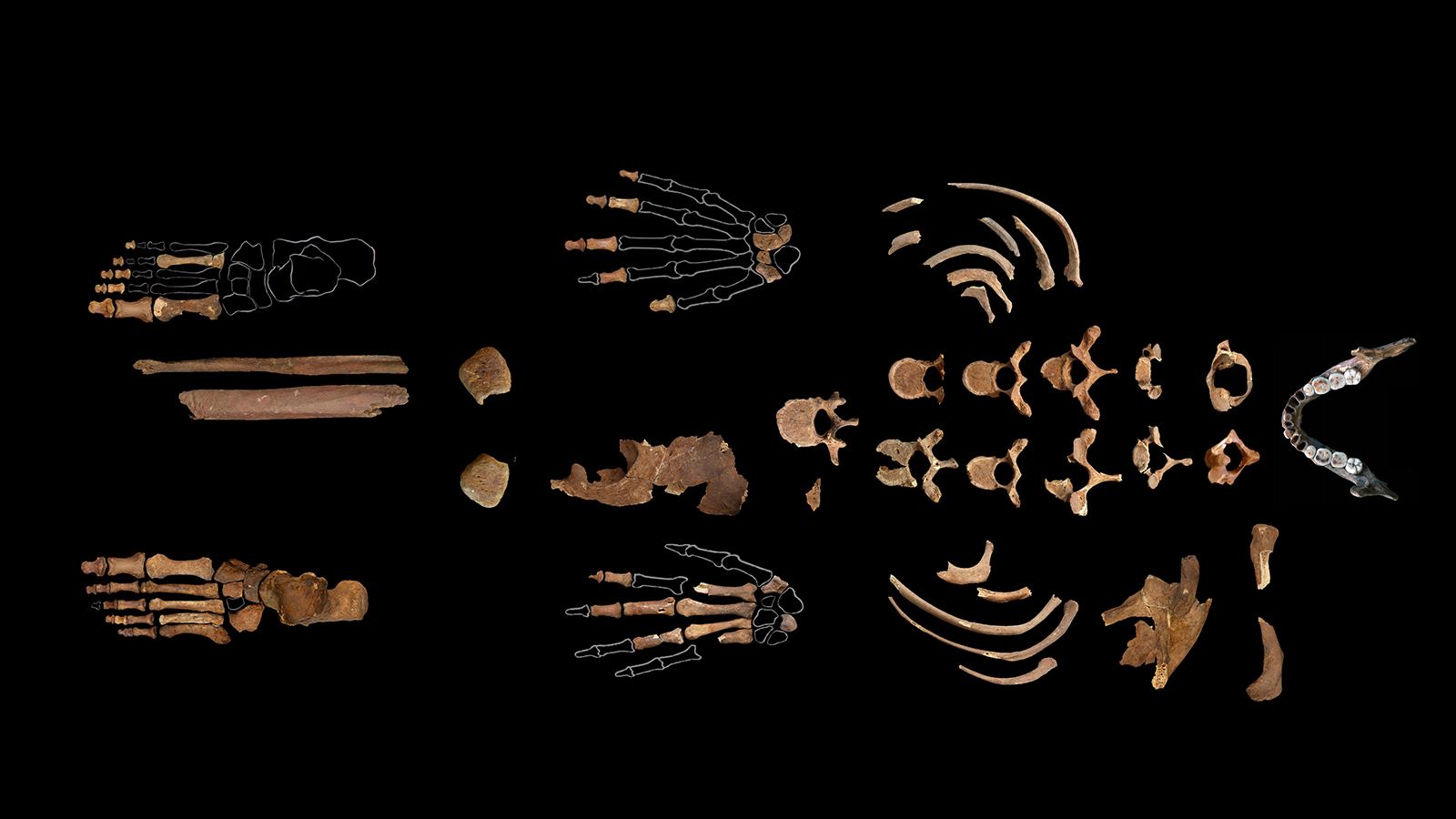
According to radiocarbon dating, a middle-aged adult woman died in Northern Spain during the Magdalenian period, 19,000 years ago. In 2010, her partial skeleton was found in a burial site within El Mirón cave by Straus and a Spanish student (now a professor at the University of Cantabria), David Cuenca-Solana, who, along with Professor Igor Gutiérrez-Zugasti, is now co-director of the project.
"After the discovery of the first human bones, including the mandible and a tibia, as we continued to dig in the SE corner of the vestibule rear, we always knew when we were in the burial layer," said Straus. "It is bright red and sparkles with hematite crystals."
On a hunch, Straus said they had started digging behind a huge block of stone that had fallen from the ceiling, and that had piqued their interest ever since González Morales had noticed engraved lines on the block that descended its outer surface below the top of intact archaeological layers.
"The flat surface of the rock that had split off from the bedrock cave ceiling, resting at about a 40-degree angle facing the mouth of the cave, such that it is lit directly by the sun at the end of the afternoon, was engraved by the Magdalenian people," said Straus.
Once fully uncovered by excavation, the group of engravings revealed a V-shaped figure composed of many fine lines that might represent a public triangle or vulva, a common motif in Upper Paleolithic rock and portable art. Archaeologists dated both the layer in which the engraved block had fallen shortly before the burial and the layers that later covered the engravings, making this a rare case in which the age of rock engravings can be determined with confidence. The findings suggest the engravings were created around the time of the burial, possibly to signify "here lies the woman." Straus and González Morales hypothesize that the ochre-stained, engraved block may have served as a grave marker.
Straus named the skeleton behind the block the "Red Lady of El Mirón" because her bones, as well as the burial-layer sediments and the inner face of the block adjacent to the burial, were coated with red ochre. The name also recalls the first Ice Age human burial ever found in Europe: the "Red Lady of Paviland," discovered in 1823 in a cave in Wales.
The woman was interred in a tight fetal position in a small, protected area between the back of the block and the cave wall. After analyzing the red pigment, specialists determined that the ochre was from an outcrop about 25 kilometers away near the present-day Cantabrian shore, meaning that people (perhaps the woman's relatives) had hiked to that specific location and brought it back specifically for her burial.
Of course, Straus and colleagues cannot know what made her special and thus the recipient of extraordinary treatment after she died, but he observes that her burial is highly unusual and attests to considerable care and investment by her survivors. It is noteworthy that her cranium and most of the largest long bones are missing, while many of the smallest and most fragile bones are present and well preserved. It is possible that the major bones were removed in Magdalenian times for display elsewhere, either in the cave or at other sites, as venerated relics. Isolated human bones are often found at sites from this period, suggesting a practice of separating and transporting skeletal elements from the dead. Perhaps the Red Lady was the band's matriarch, wise woman, healer, shaman, or leader.
"El Mirón has turned out to be a treasure trove of ancient genetic information. The DNA extracted from the Red Lady by Nobel Prize winner, Svante Pääbo of the Max Planck Institute in Germany, has changed our understanding of Ice Age European populations."
- Lawrence Straus
The burial site overlooks the richest Paleolithic occupation layer in the cave, which has yielded thousands of Lower Magdalenian artifacts, including numerous stone and bone tools and weapons, portable art objects, hearths, and many remains of land and water animals.
The Red Lady find is incredible because no other burial site in Spain dating back to the Magdalenian age has ever been found; moreover, it is only the second Upper Paleolithic burial ever found in the Iberian Peninsula. Although several other Upper Paleolithic burials from this age have been found in France, Italy, and Central-Eastern Europe, the El Mirón Red Lady is significant because it was recovered and studied with modern excavation and analytical methods.
Significant DNA findings from the Red Lady
"El Mirón has turned out to be a treasure trove of ancient genetic information," Straus said. "The DNA extracted from the Red Lady by Nobel Prize winner, Svante Pääbo of the Max Planck Institute in Germany, has changed our understanding of Ice Age European populations."
Through DNA analysis, the researchers have determined that the Red Lady was genetically linked to hunter-gatherer populations known as the Goyet, Fournol, and Villabruna clusters, which recolonized northern Europe during the Magdalenian, as glaciers and inhospitable polar deserts shrank near the end of the Ice Age. Earlier peoples, archaeologically known as the Solutrean culture, had survived in refugial areas of SW Europe, such as Cantabrian Spain, having abandoned northern regions of the continent during the last glacial maximum some 6000 years before the time of the Red Lady.
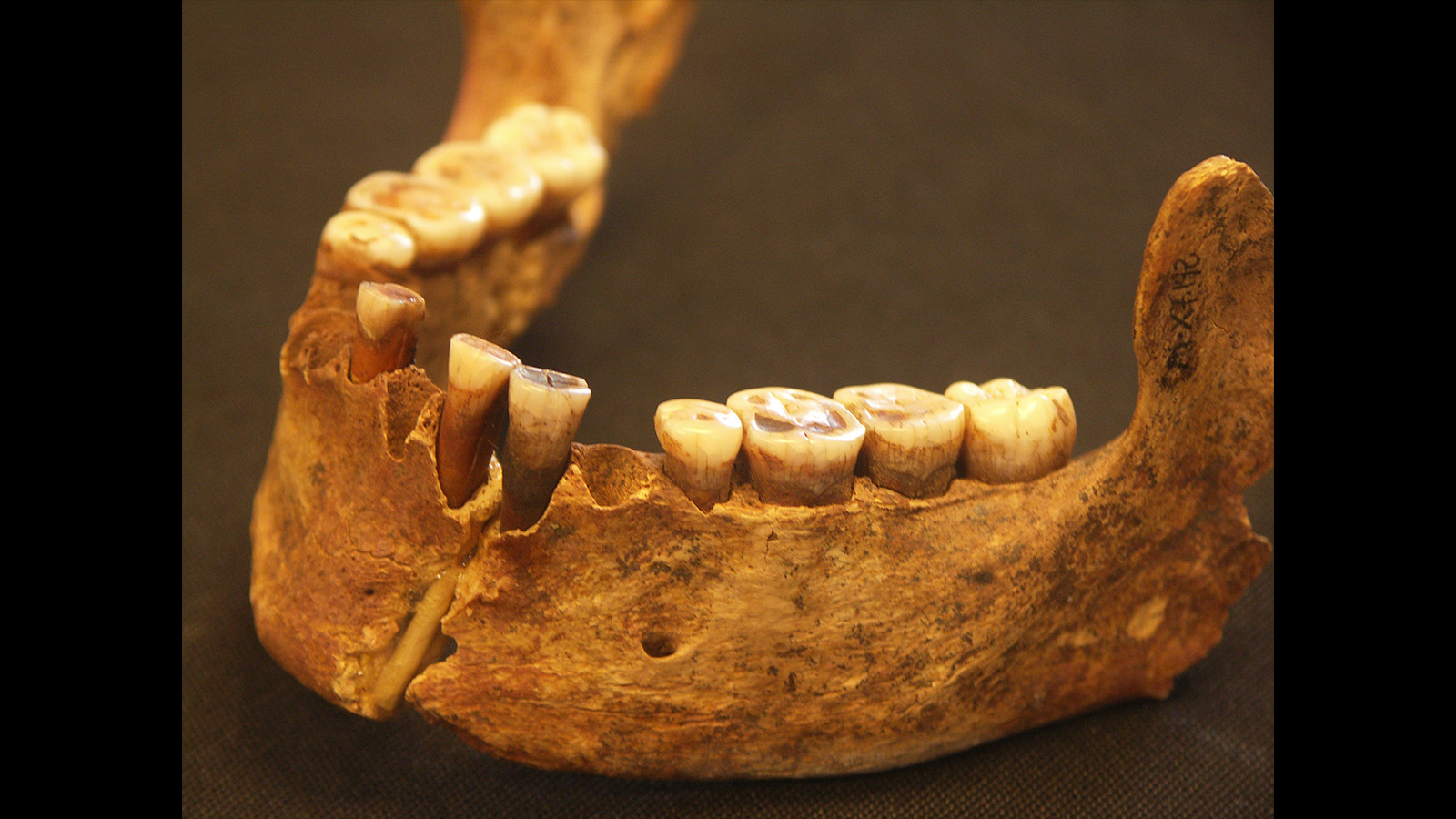
Based on DNA analyses, scientists have determined that the Red Lady had dark skin, hair, and eyes, all of which, according to Straus, challenge older assumptions that Ice Age Europeans looked similar to present-day Europeans. They also established that the Red Lady was 35 to 40 years old, of average stature, robust and apparently healthy at the time of her death; the cause of which remains unknown.
By analyzing calcified dental calculus and microscopic wear traces, as well as carbon and nitrogen stable isotopes, scientists were able to determine what she ate, including land animals, marine foods such as salmonids and mollusks, seeds, plants, and fungi such as mushrooms. This information was important because it revealed a more diversified Ice Age diet than previously thought.
Straus also notes that one of the most surprising discoveries from the Red Lady's dental calculus, led by Harvard and Max Planck professor Christina Warinner, was the presence of preserved ancient bacteria in her oral microbiome, which could have implications for the development of therapeutic natural products.
What makes it even more surprising is that the bacteria has been perfectly preserved for 19,000 years and that they were inherited from the Neanderthals, who had gone extinct some 20,000 years earlier, and were probably passed down orally from mothers to infants, initially across human subspecies.
The evolution of analytical methods over three decades
Over 30 years of work in El Mirón cave, researchers have not only gained new understanding, but also seen the entire fields of prehistoric archaeology and paleoanthropology transform, introducing unexpectedly new and detailed ways of learning about the remote past and human evolution.
Straus and his colleagues, including former student excavator and now professor Ana Belen Marín-Arroyo of the Universidad de Cantabria, have helped advance the project from a traditional excavation typical of the 1970s-1990s to a highly advanced interdisciplinary science that involves specialists in cutting-edge ancient genetic and stable-isotope analyses. All of which has broadened the base for detailed reconstruction of past human life, both biologically and culturally, in the site, region and continent.
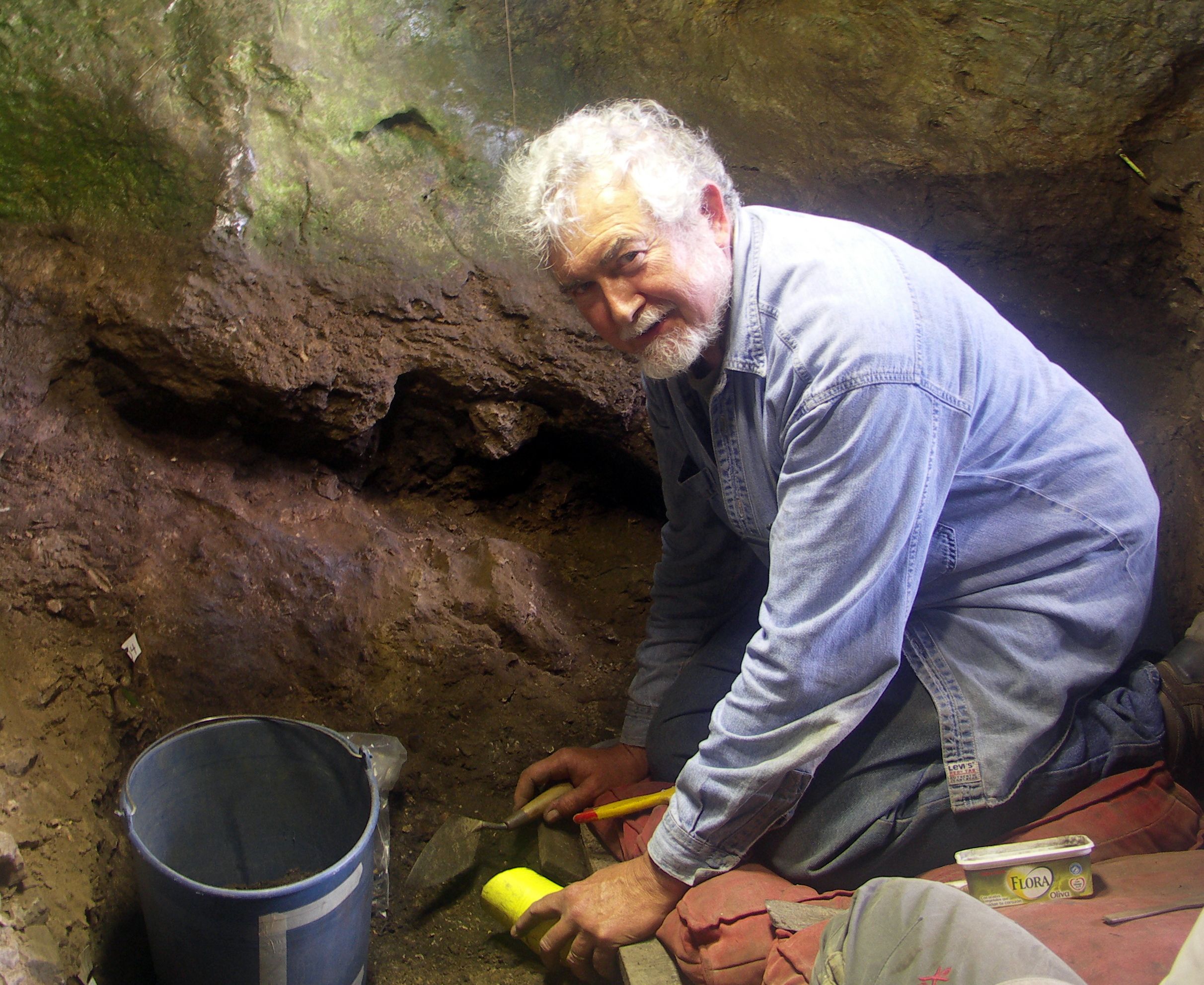
"Through this project, I have been able to watch the profession and discipline evolve in absolutely surprising ways," said Straus. "This has kept me on my toes and connected me with new colleagues who specialize in new types of advanced research as methodologies advance."
Specialized scientists can now conduct various kinds of genetic analyses, including ancient DNA sequencing (aDNA genomics) and pioneering sediment DNA (sedaDNA) analysis, which involves studying DNA extracted from dirt on the cave floor. This can allow for piecing together the history of human migration patterns, ancestry and population connections.
The sedaDNA method, led by Pere Gelabert of the University of Vienna, revealed carnivore and human DNA from the cave dirt or sediments dating to the earliest periods of occupation, even earlier than the Red Lady, belonging to the Solutrean occupants who were a part of the Goyet-Fournol genetic cluster.
Through a serendipitous meeting, Straus connected with an industry-leading scientist who is studying the calcified dental plaque, or dental calculus, whose results revealed evidence of the Red Lady's diet, such as mushrooms, seeds and bacteria in her mouth by using biomedical methods, essentially making her teeth fossilized biological diaries.
Through in-depth looks at the DNA of ancient humans and animals, Straus, González Morales, students and scientists from around the world have pieced together new details of the lives of people who were resilient, resourceful, and who loved and grieved for one another.
However, at the heart of this sophisticated research, the field still depends as it did in 1996 on fieldwork. The careful and painstaking excavation, sieving and recording of each find in each layer of dirt. Most days are routine, with "normal" kinds of finds, but if one is lucky, there can be once-in-a-lifetime discoveries that change everything, like the Red Lady.
Next steps:
What began in 1996, driven by curiosity and enthusiasm, has evolved into one of Europe's longest and richest records of prehistoric life and of documented Ice Age survival and ultimately the origins of agriculture and pastoralism in northern Iberia, all found beneath layers of goat dung.
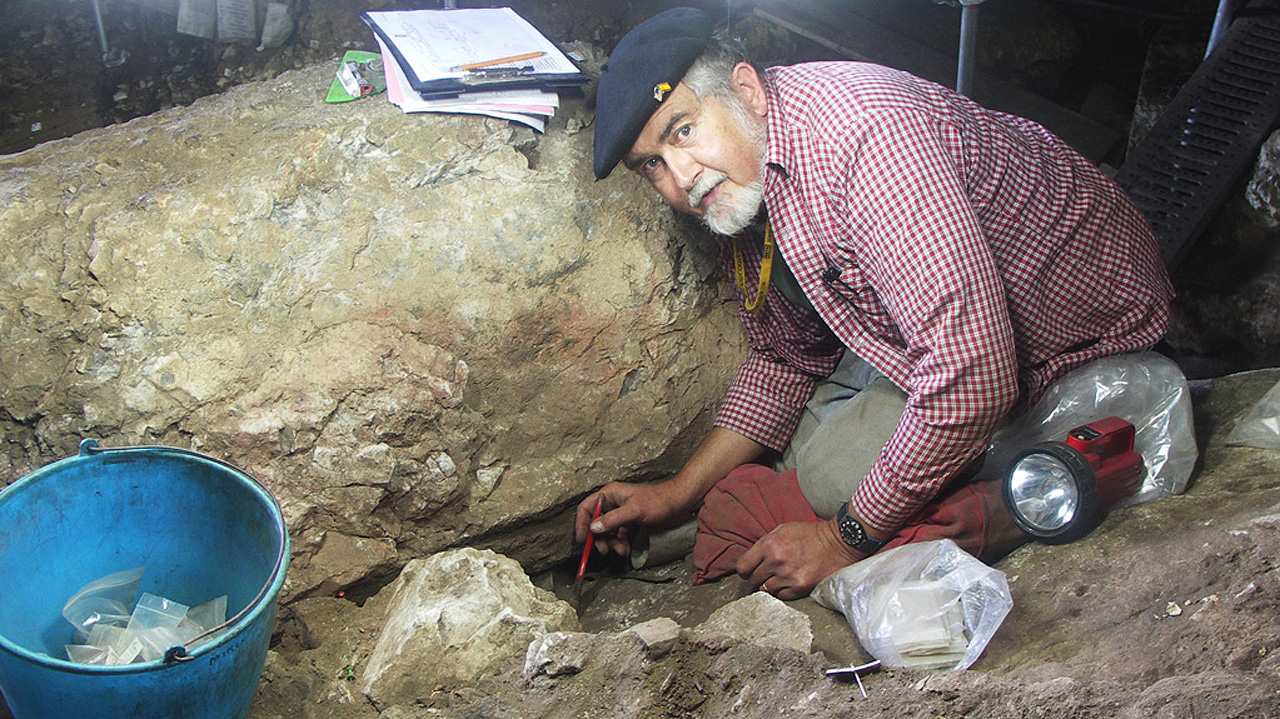
From the spectacular works of portable and cave art to evidence of hunting and fishing, weapons, tools and advanced DNA analyses, El Mirón Cave continues to yield astounding details. For Straus and González Morales, the work is far from finished, and excavations are expected to resume in 2027.
As Straus sees it, his ongoing role is to continue providing both established researchers and students with information and offering suggestions for ideas that can advance science and our knowledge of the human past. He and his colleagues continue to publish, adding to two monographs and over 150 scientific articles and chapters.
"To me, that is what science is," he said. "continuously finding new angles to explore and learning how our distant ancestors lived, physically, socioculturally and within their environments. El Mirón cave provides new opportunities to expand our understanding of the region, especially as methodological advancements open new ways to study the past."
Financial contributions to support Straus's work can be made to the Fund for Stone Age Research at the UNM Foundation that has provided critical support supplementing past grants from the National Science Foundation, Cantabrian regional and Spanish national governments, the Leakey and Marcelino Botín foundations, the National Geographic Society, the Instituto Internacional de Investigaciones Prehistóricas de Cantabria, and the UNM Research Allocations Committee and Dept. of Anthropology. Straus has conducted Paleolithic and post-Paleolithic archaeological research in Western Europe for over five decades and served as Editor of the Journal of Anthropological Research for 27 years.


