
Abstract
Researchers at UNIST, in collaboration with the Pohang Accelerator Laboratory (PAL) and KAIST, have introduced a novel approach to stabilizing high-capacity battery materials. By intentionally inducing atomic-level disorder within lithium-rich layered oxide (LRLO) cathodes, the team has effectively minimized structural degradation and energy losses, paving the way for next-generation batteries with higher energy density and longer lifespan.
Lithium-rich layered oxide (LRLO) are among the most promising cathode materials for future energy storage solutions due to their exceptional capacity, which involves not only metal ions but also oxygen participating in electrochemical reactions. However, their practical application has been hindered by structural instability during repeated charge and discharge cycles, leading to capacity fade and voltage degradation.
To address this challenge, Professor Hyun-Wook Lee from the School of Energy and Chemical Engineering at UNIST, along with Dr. Young Hwa Jung from PAL and Professor Dong-Hwa Seo from KAIST, employed an innovative strategy, deliberately designing the atomic structure to be disordered. This controlled atomic disorder prevents the initial phase transition-known as slab gliding-that typically causes irreversible structural damage. Consequently, the material preserves its integrity and electrochemical performance over extended cycling.
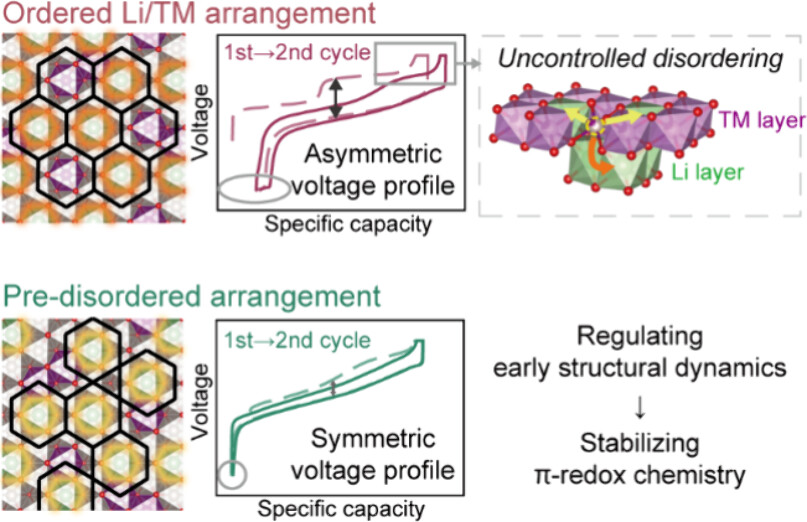
Figure 1. Schematic overview of the overall study design.
Using advanced computational modeling based on density functional theory (DFT) and synchrotron radiation analysis at PAL, the team confirmed that the disordered structure stabilizes the bonds between transition metals and oxygen. Experimental evaluations demonstrated that these disordered cathodes exhibit a voltage difference of only 0.31V between charge and discharge during the first cycle-less than half the 0.62V observed in conventional, ordered materials-and an initial energy loss of merely 0.6%. In comparison, traditional cathodes experienced twice the voltage gap and a 25.8% energy loss.
Remarkably, the disordered cathodes maintained their energy capacity with minimal voltage decay-only 0.04 mV per cycle-and retained 98% of their initial energy after 160 cycles. This exceptional stability highlights the potential of atomic-level disorder as a universal design principle for high-performance cathode materials.
"By transforming what was once considered a defect-the atomic disarray-into a strategic advantage, we have opened a new pathway for enhancing battery stability," said Myeongjun Choi from UNIST, the study's first author. "This approach is versatile and can be applied to a wide range of lithium-rich layered oxides, beyond specific compositions or structures."
Professor Lee added, "While lithium-rich layered oxides possess significant energy potential, their commercialization has been limited by structural issues. Our findings offer a promising route toward more durable, lightweight batteries capable of storing more energy efficiently, which could significantly impact future energy storage technologies."
The findings of this research have been published online in ACS Energy Letters on February 3, 2026. This study has been supported by funding from the National Research Foundation of Korea (NRF), through projects focused on nanomaterials and advanced energy materials.
Journal Reference
Myeongjun Choi, Jeongwoo Seo, Min-Ho Kim, et al., "Pre-Disordering for Preserving Transition Metal-Oxygen Covalency in Lithium-Rich Layered Oxide Cathodes," ACS Energy Lett., (2026).


