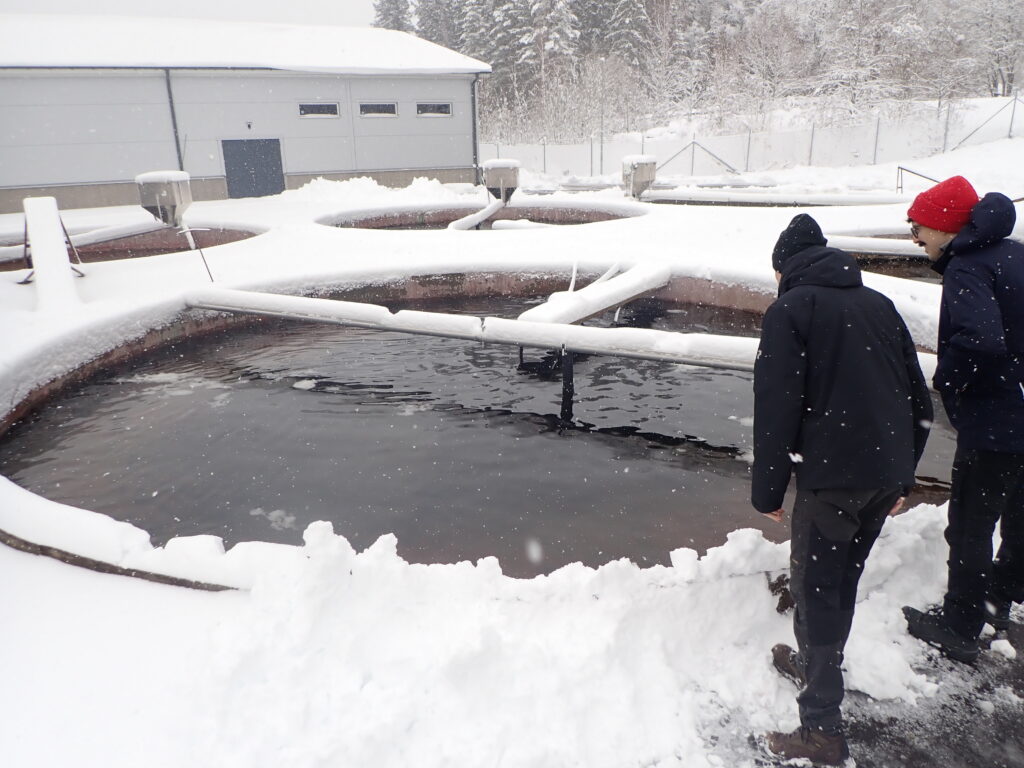
New research has revealed cocaine pollution can change how wild fish move through their environment, with juvenile Atlantic salmon swimming farther and dispersing more widely when exposed to concentrations found in polluted waterways.

The international study, led by researchers from Griffith University, the Swedish University of Agricultural Sciences, Zoological Society of London and Max Planck Institute of Animal Behaviour, is the first to demonstrate the effects of cocaine contamination on fish behaviour in the wild rather than in laboratory conditions.
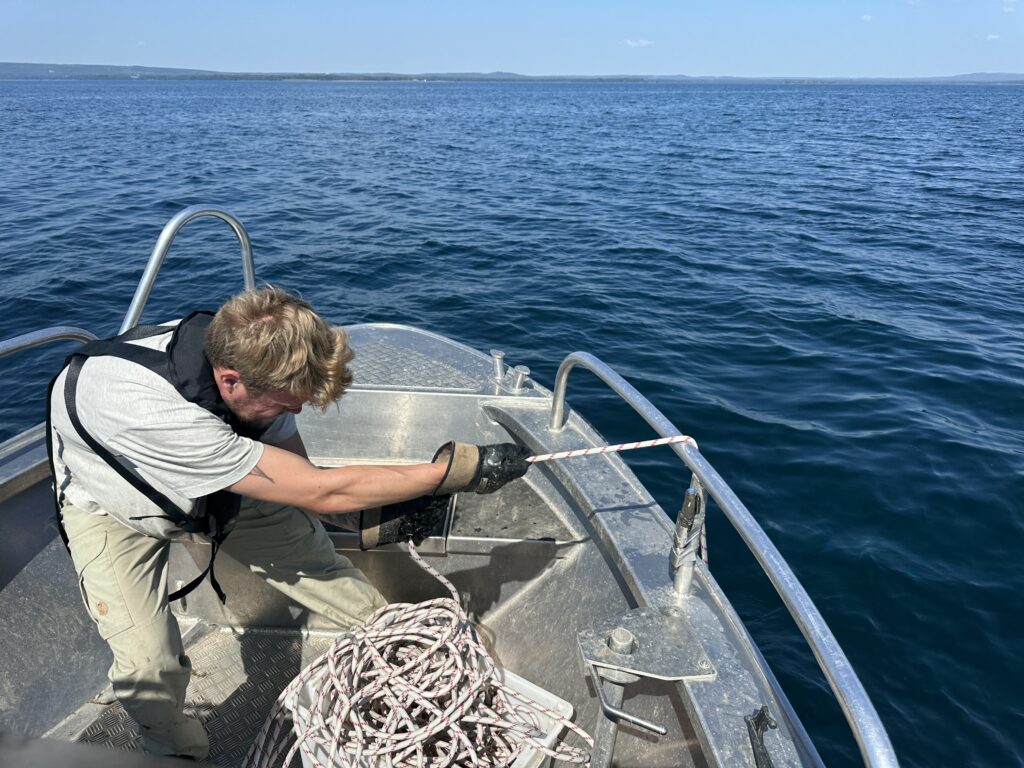
To understand how these pollutants influenced animal movement, the researchers used slow-release chemical implants and acoustic telemetry tracking to monitor 105 juvenile Atlantic salmon over eight weeks in Lake Vättern, Sweden.
The fish were assigned to one of three treatment groups: a control group, a group exposed to cocaine, and a group exposed to benzoylegonine, the primary metabolite of cocaine that is commonly detected in wastewater.
The team found fish exposed to benzoylecgonine swam up to 1.9 times farther per week than unexposed fish and dispersed up to 12.3km farther across the lake.
These changes became more pronounced over time, indicating that exposure altered how fish used space in a complex natural ecosystem
Co-author Dr Marcus Michelangeli, from Griffith University's Australian Rivers Institute, said the findings were important because movement played a central role in how animals interacted with their environment.
"Where fish go determines what they eat, what eats them, and how populations are structured," he said.
"If pollution is changing these patterns, it has the potential to affect ecosystems in ways we are only beginning to understand."
Cocaine and its metabolites were increasingly detected in rivers and lakes around the world, primarily entering waterways through wastewater systems that were not designed to fully remove these compounds.
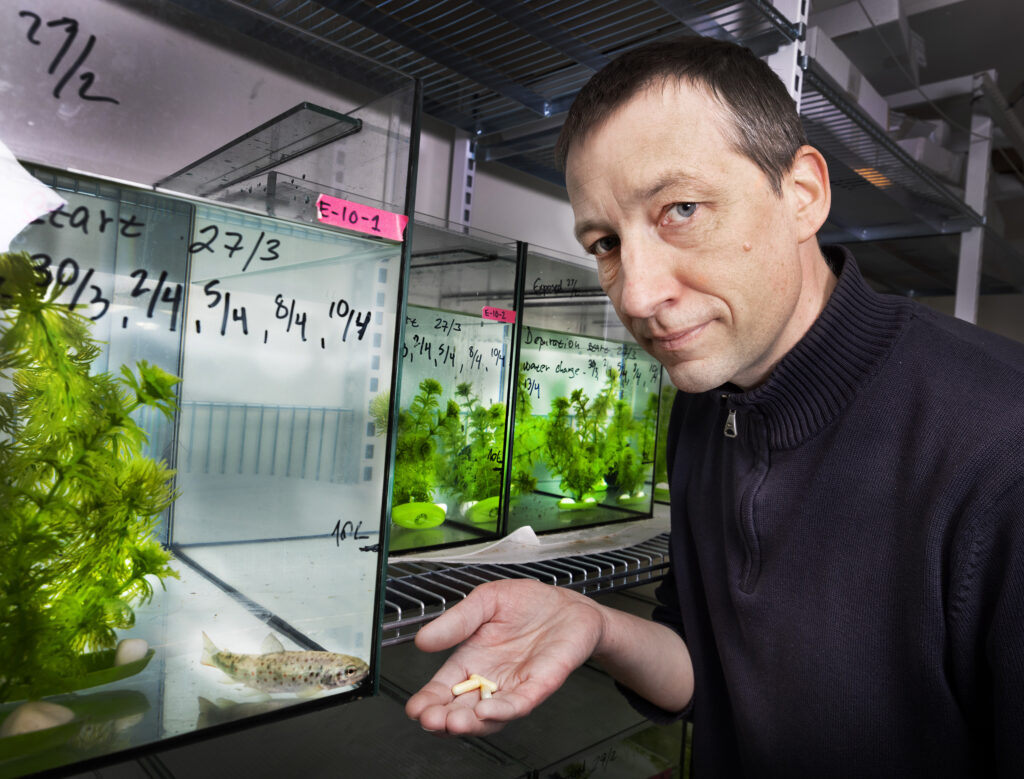

While previous research has shown cocaine could affect animal behaviour, those studies had been limited to laboratory settings.
This study provides the first evidence that these effects also occurred in the wild, where animals experienced far more complex environmental conditions.
The researchers also found the cocaine metabolite benzoylecgonine had a stronger effect on fish movement than cocaine itself.
This was significant because risk assessments typically focused on the parent compound, even though metabolites were often more common in waterways, suggesting current approaches may overlook important biological effects.
The team emphasised the findings did not indicate a risk to people consuming fish.
The exposure levels reflected those already found in polluted waterways, the compounds break down over time, and the fish studied were juveniles well below legal-catch size.
Dr Michelangeli said the study highlighted a broader issue about the types of pollutants entering aquatic ecosystems.
"The idea of cocaine affecting fish might seem surprising, but the reality is that wildlife is already being exposed to a wide range of human-derived drugs every day. The unusual part is not the experiment, it's what's already happening in our waterways."
Dr Marcus Michelangeli
Future research would aim to determine how widespread these effects were, identify which species were most at risk, and test whether altered movement patterns translated into changes in survival and reproduction.
The paper 'Cocaine pollution alters the movement and space use of Atlantic salmon (Salmo salar) in a large natural lake' has been published in Current Biology.