From February 23 to 26, a delegation from Hokkaido University (HU) visited the University of Melbourne (UoM) to advance their collaborative research in geriatric healthcare. The visit was conducted as part of the joint research project "Developing and Implementing Health Promotion Strategies to Extend Healthy Lifespan: A Japan-Australia Collaboration."
The HU delegation included Professor Daisuke Sawamura, Associate Professor Naoya Hasegawa, and Assistant Professor Yuji Inagaki from the Faculty of Health Sciences, along with Professor Satoshi Ishizuka from the Research Faculty of Agriculture. During the visit, the team met with researchers from UoM's Faculty of Medicine, Dentistry and Health Sciences and the Faculty of Engineering and Information Technology.
Discussions focused on developing frameworks for local data‑collection environments involving older adults. This collaborative research brings together stakeholders engaged in promoting healthy aging in the two countries that lead the world in terms of aged population and life expectancy. The project adopts a comparative field approach: in Hokkaido, where older adults are widely dispersed across communities and local partnerships are essential, and Victoria, a highly multicultural state where collaboration with linguistically diverse migrant communities forms the foundation of community health initiatives.
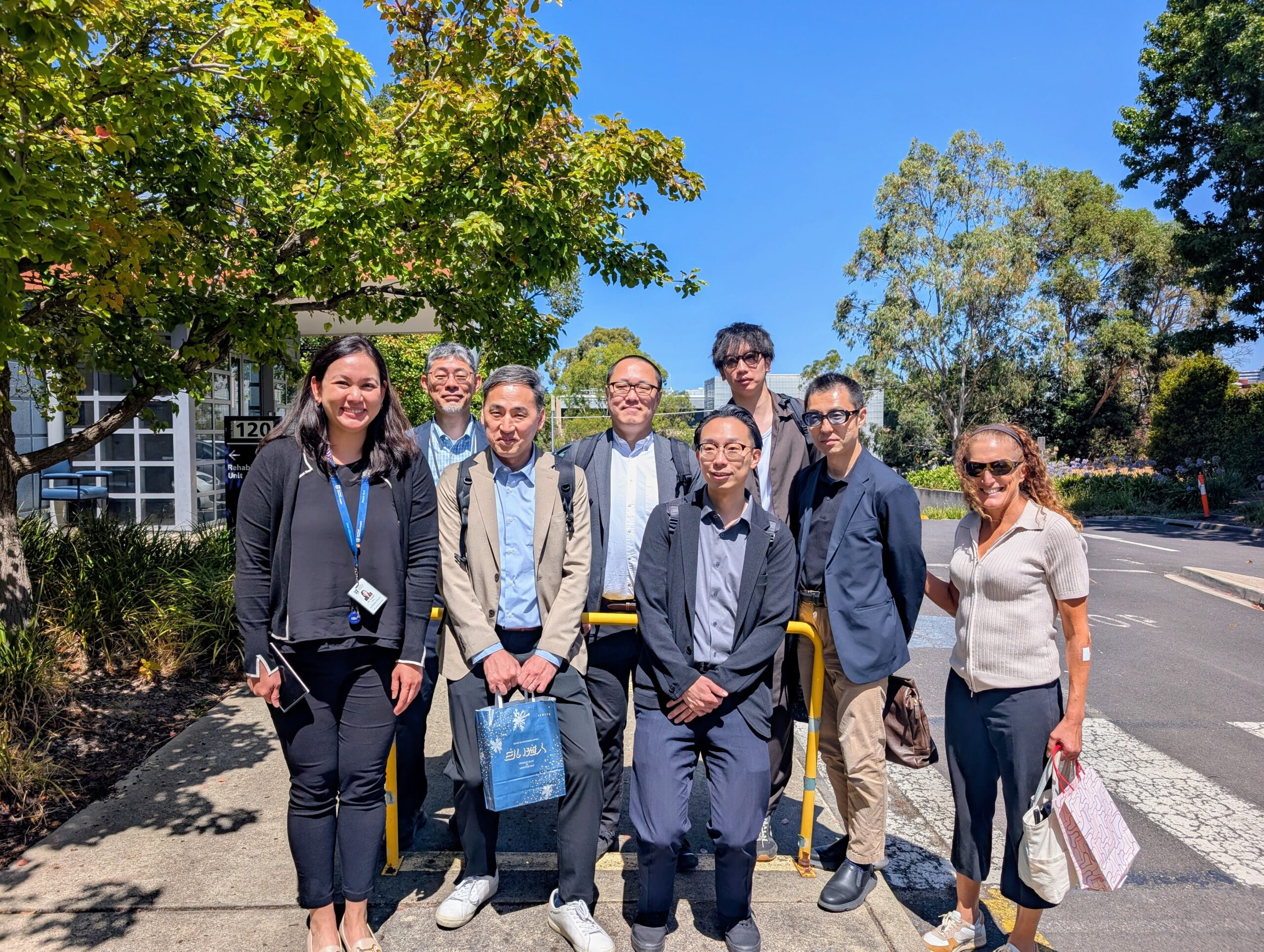
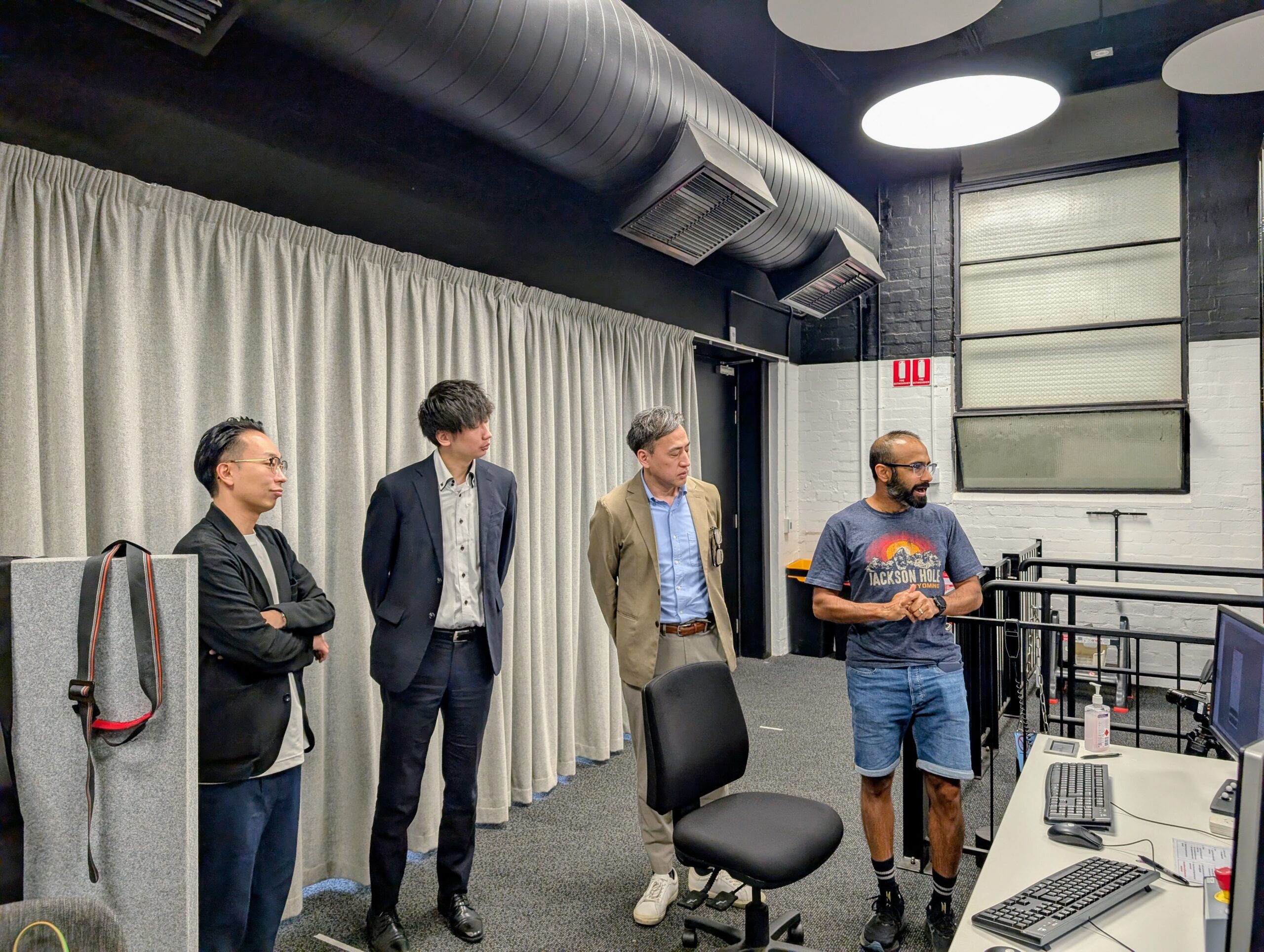
Left: At the Royal Melbourne Hospital (RMH)
Right: Prof. Lee's Lab.
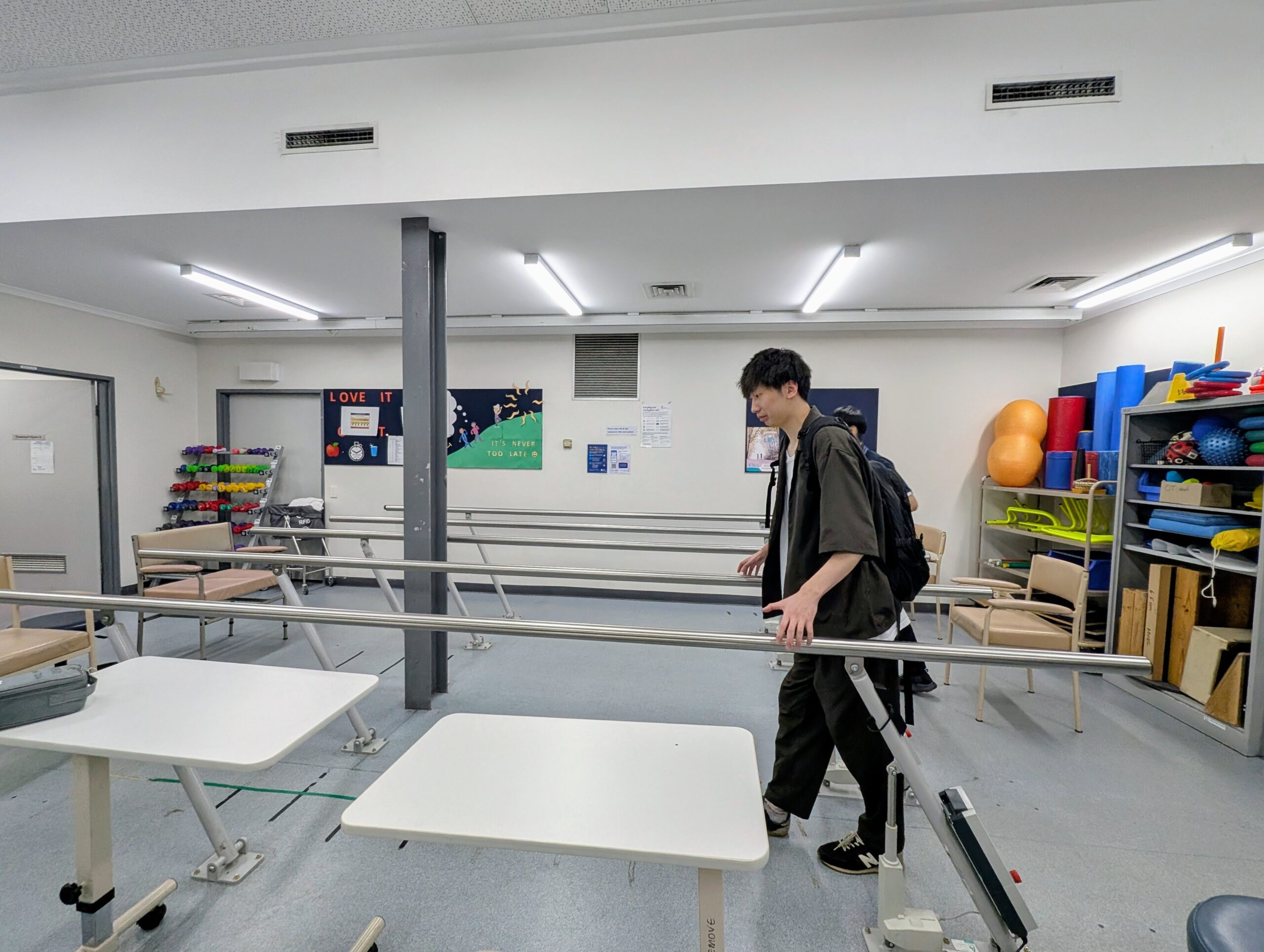
Left: RMH Rehabilitation Centre
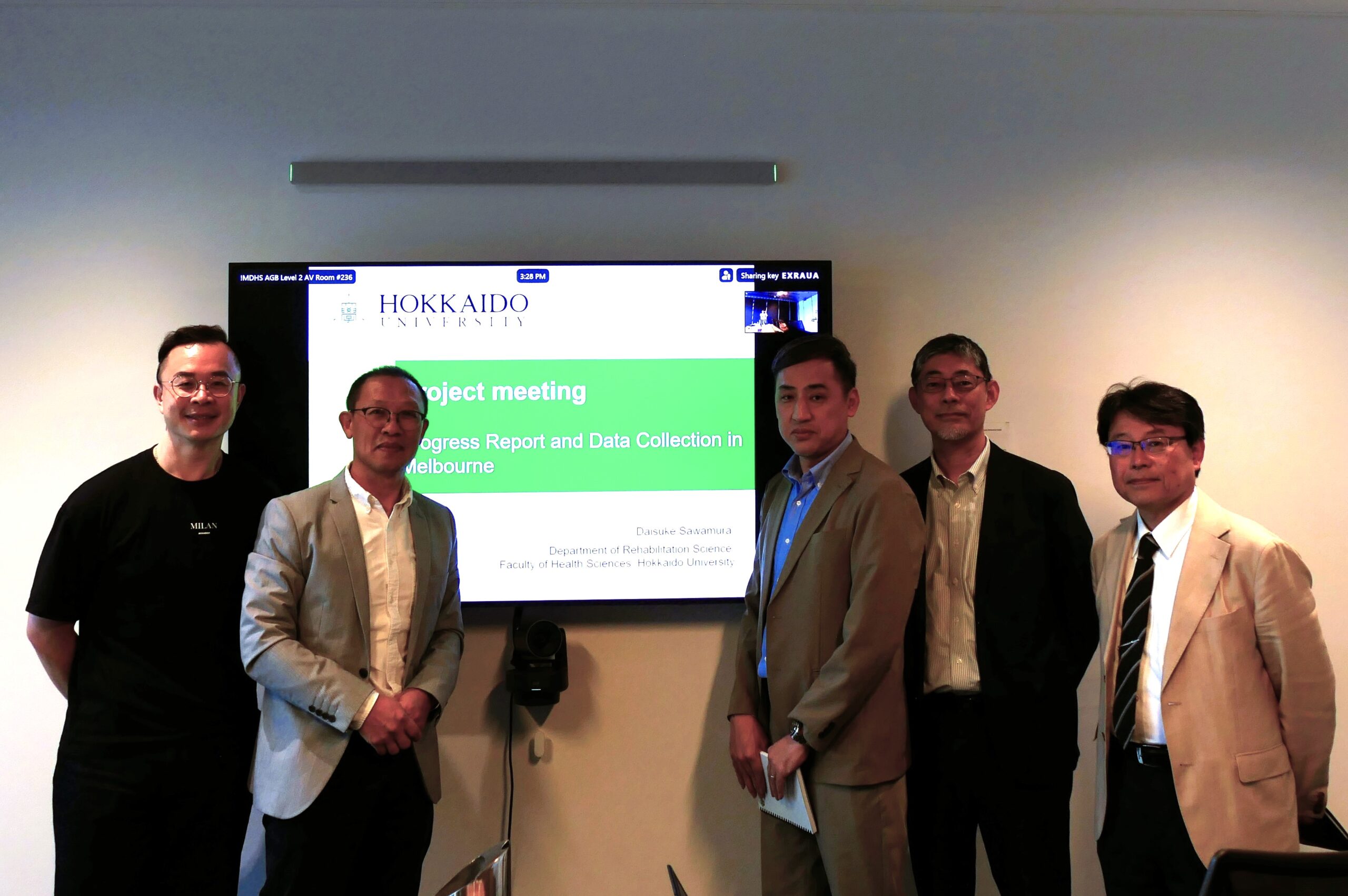
Right: Prof. Bui (second from left) and Dean Ishizu (far-right)
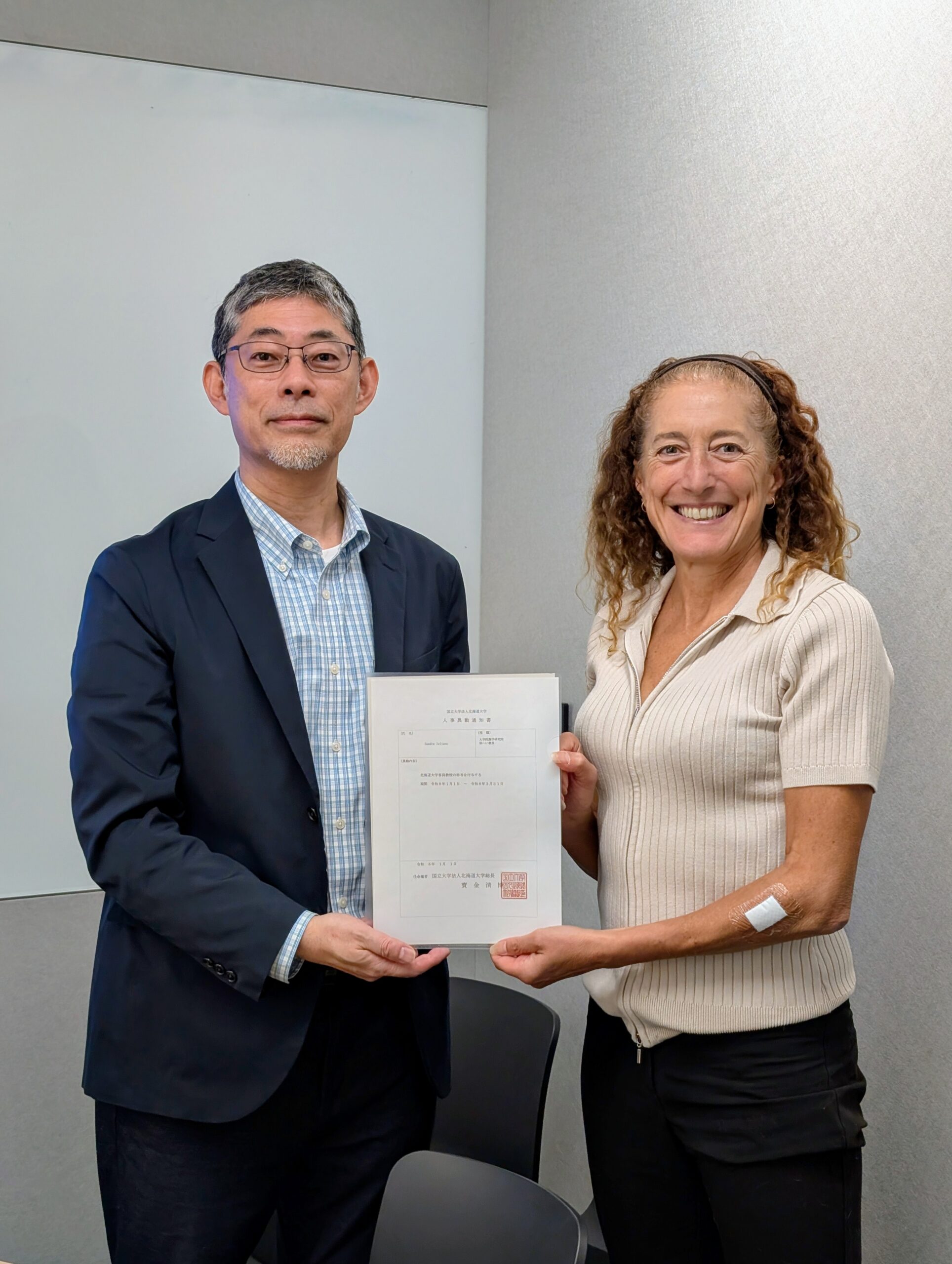
Meetings were also held with Professor Bang Bui, Director of Research for the Melbourne School of Health Sciences, and Associate Professors Sandra Iuliano and Kwang Cham, with the participation of Dean Akihiro Ishizu of the Faculty of Health Sciences, HU. Professor Bui emphasized the potential of cross‑appointments of academics between the two universities to facilitate access to life‑science research data management systems, streamline administrative procedures, and jointly promote academic achievements at both institutions.
In addition, the delegates visited Professor Peter Lee from the Faculty of Engineering and Information Technology, who leads the Australian Research Council (ARC) Training Centre for Transformative Health Sensing Technologies, with which HU is a partner institution. During this meeting, Akihiro Watanabe, a doctoral candidate in Occupational Therapy who will conduct a research visit to UoM later in the year, introduced his research in neurological occupational therapy.
The four-day program also included comparative site visits to the Royal Melbourne Hospital (RMH) Rehabilitation Centre in the city center and the Golf Links Road Rehabilitation Centre in a suburban area. Through discussions with local physiotherapists, occupational therapists, and dietitians, the delegates gained insights into how geographic location and organizational scale influence patient populations and service delivery models.
Additional site tours included the National Centre for Healthy Ageing (Ngarnga Centre) at Monash University, Mercy Place Apartments (a high-quality residential care facility for the elderly), and the Seaford Healthy Futures Hub. At PRONIA, a day‑use health promotion facility operated by a nonprofit organization serving the Greek migrant community, the delegates observed culturally responsive health activities where older adults can participate in exercise and dance in their native language. Such community-based spaces play a vital role in reducing loneliness, easing family caregiving burdens, and supporting active, socially connected later lives.
(Text and photos provided by the Faculty of Health Sciences and Office for International Collaborations)