
The prize-winning report explores how Indigenous perspectives can transform environmental management and healing of Country
University of Wollongong (UOW) researcher and Gundungurra woman Dr Crystal Arnold has won the Rachel Carson Prize from the British Ecological Society (BES) for her research using the Shoalhaven River as a case study that reshapes how weeds are understood and managed.
The Rachel Carson Prize recognises the best early career research paper published in People and Nature. Arnold's winning entry, How can we re-envision care for weeds? Indigenous weed management on the Shoalhaven River draws on Aboriginal cultural knowledge to challenge conventional approaches to weed control, reframing weeds as part of a broader ecological system rather than a problem to be removed.
UOW Deputy Vice-Chancellor (Research and Innovation) Professor Alan Rowan said the recognition highlights the global significance of local, culturally informed research.
"This research demonstrates how Indigenous knowledge can inform practical, more effective approaches to environmental management," Professor Rowan said. "It is an important example of how locally grounded research can influence global conversations around sustainability and land care."
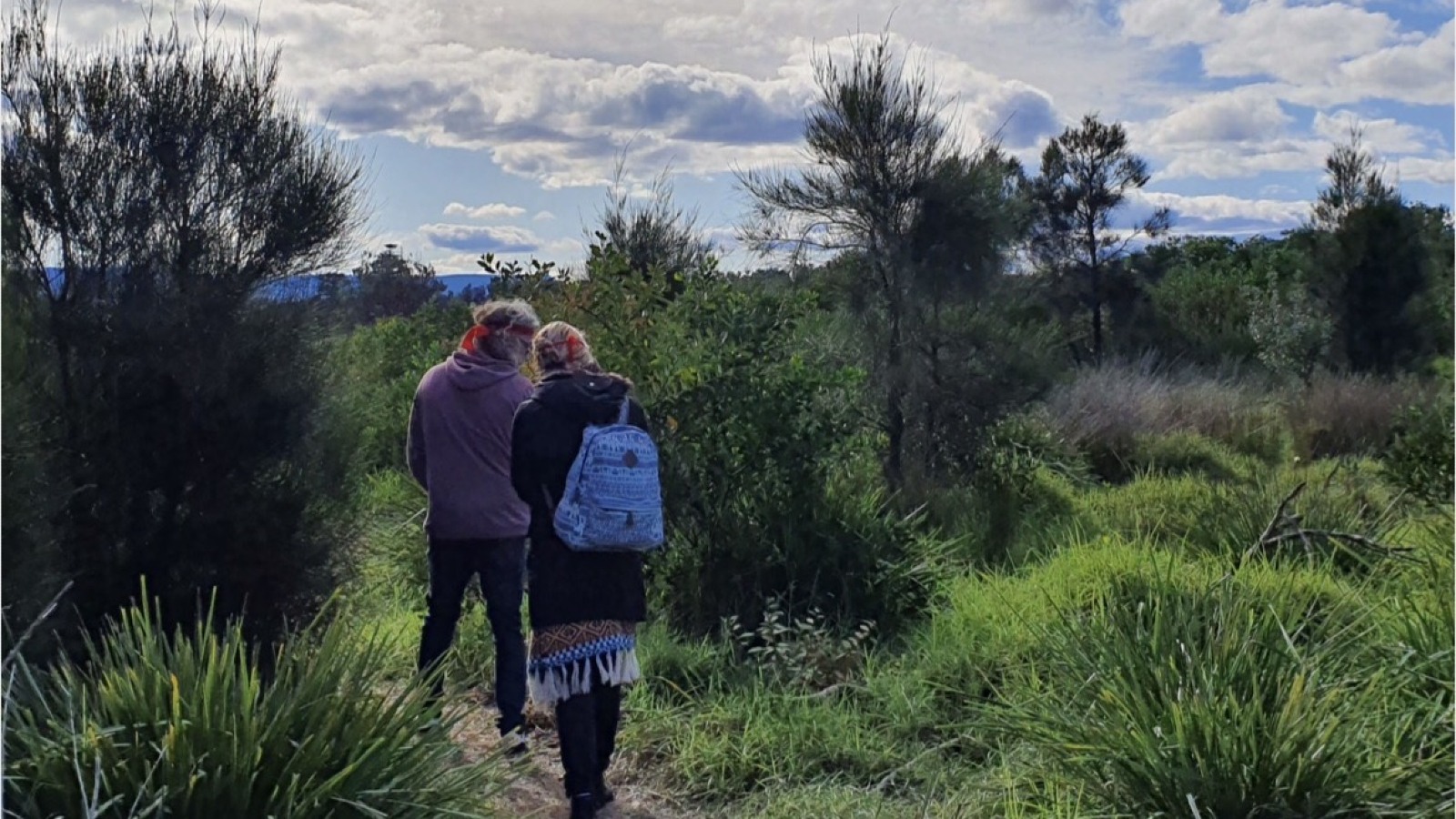
The winning paper draws on fieldwork and community engagement to integrate Aboriginal cultural knowledge and environmental science. Arnold said her research introduces the concept of gentle care, an Indigenous ethic that reframes weeds as teachers rather than just ecological threats.
"This work demonstrates how centring Indigenous knowledge systems and the natural rhythms of Country can lead to more sustainable, relational and effective land-management outcomes," she said.
"It gave me the gift of spending time on Country and yarning with community. Learning from the generous wisdom shared by Elders deepened my understanding of reciprocal responsibilities to Country. This paper shows how listening to Country can guide more effective and respectful approaches to land care."
People and Nature editor Andrea Rawluk praised Arnold's paper for its insight and impact.
"It is such a joy to offer recognition for work that brings change in how we collectively see, relate to, and reciprocate with nature," Rawluk said. "This re-envisioning explores methodological, philosophical and political questions at the heart of contemporary social and environmental challenges, sharing lessons that will influence thinking about people-environment relationships for decades to come."


