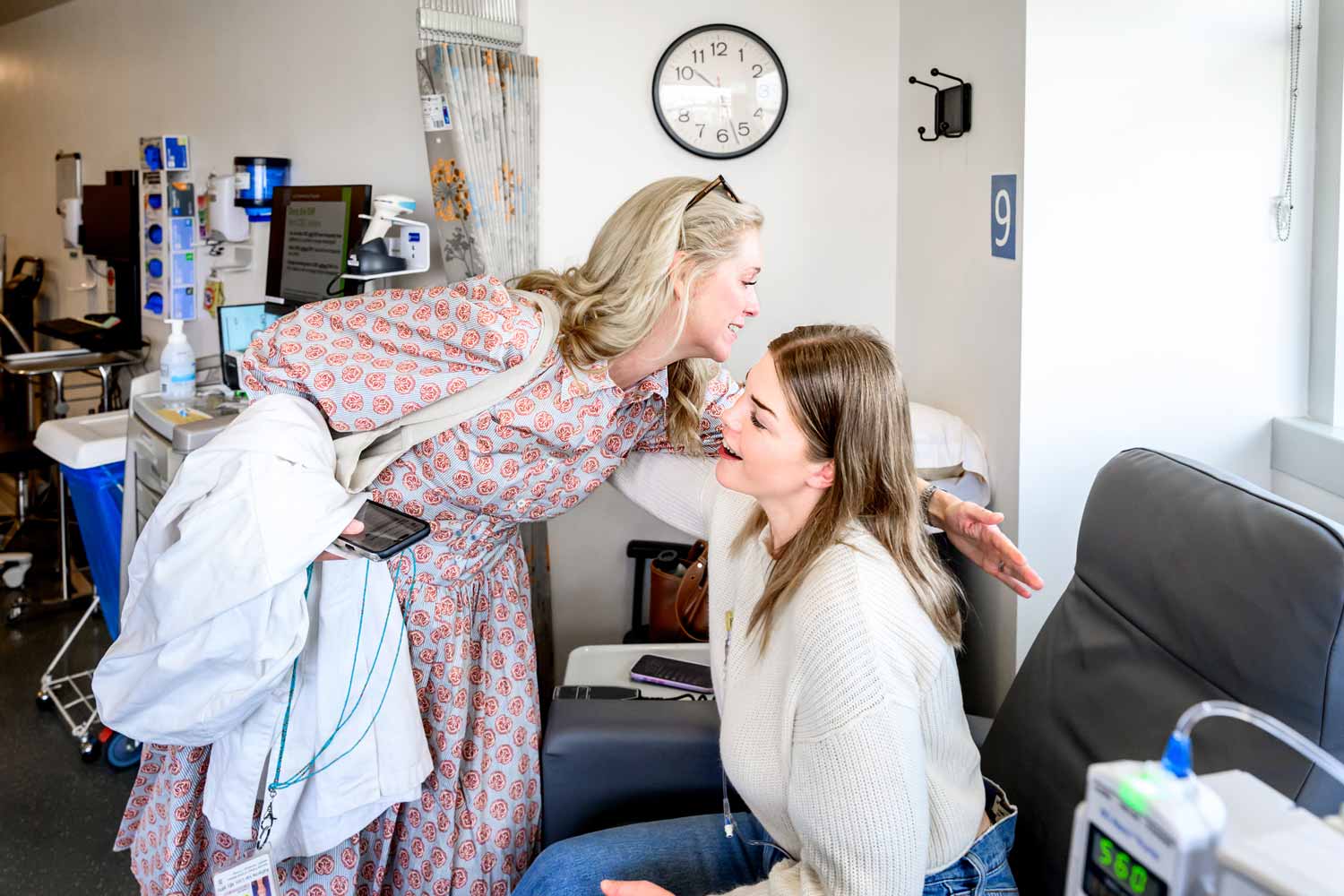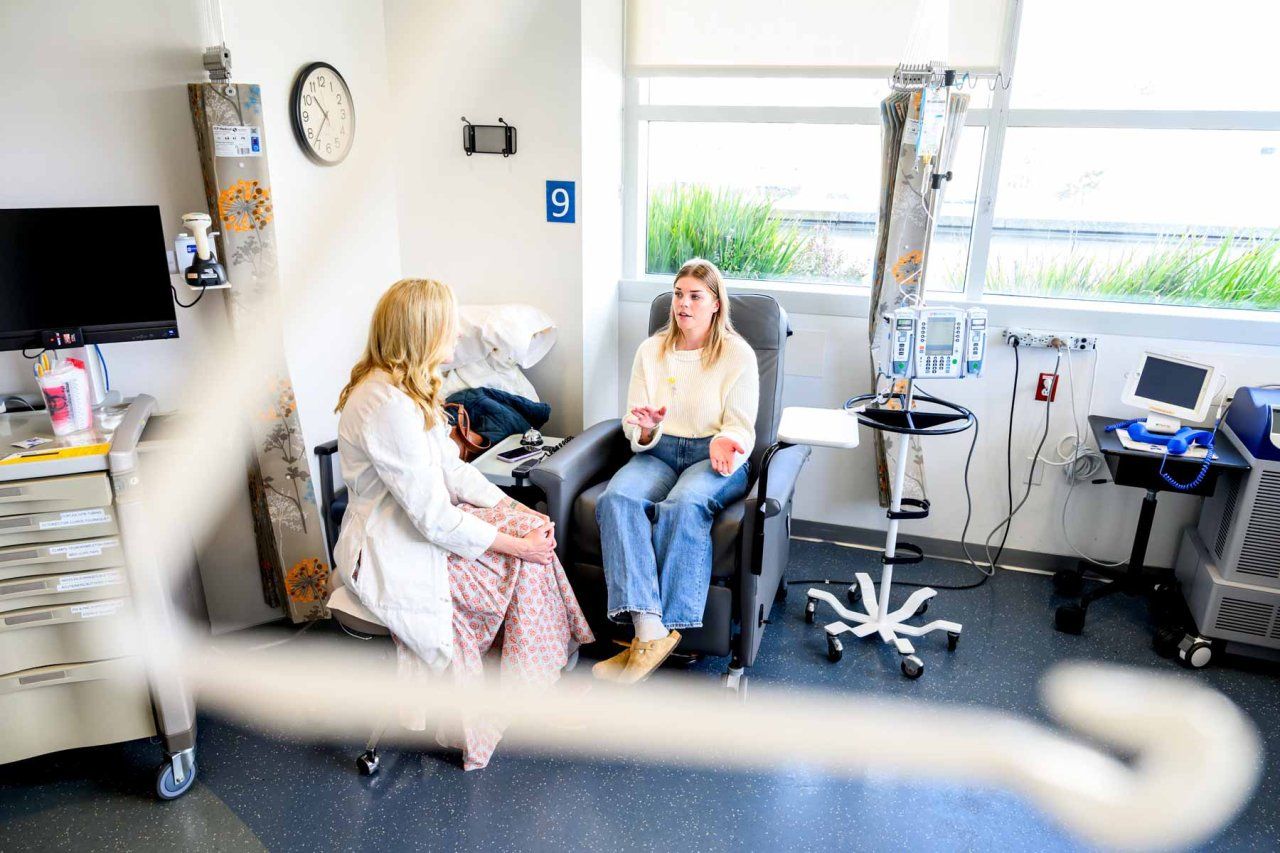
Megan McNair, aged 29, had just given birth to her second child. It should have been a happy time. Instead, it was the worst: she was diagnosed with stage IV colon cancer, the most severe form of the disease.
"They said I had five years to live," McNair said. "I felt broken. How could this be? I was so young. How was I going to take care of my children?"
Colorectal cancer has long been considered a disease of older people, but for largely mysterious reasons, it has overtaken other common cancers and become the top cancer killer in people under age 50. The prevalence has more than doubled in the last 30 years for younger adults. In 2023 more than 3,900 Americans aged 20-49 died of the disease.
As rates surge globally, UCSF Health has launched a program for young adults with the disease, the first on the West Coast.
The UCSF Young-Onset Colorectal Cancer Program focuses on the medical and life-stage issues of younger patients, who often have different needs and concerns from older patients. It will connect patients to specialized teams, integrating clinical care, patient navigation, and supportive services.
"For years, we've seen patients getting younger and younger," said co-director Katherine Van Loon , MD, MPH, an oncologist and director of the UCSF Global Cancer Program . "Patients face this terrifying diagnosis at a time in life that collides with careers, relationships, raising families. They can face financial repercussions, stress on their young children, impacts on fertility and sexual health. These are the patients that keep me awake at night."
New research in tandem with coordinated care
The new program catalyzes UCSF's research strengths by linking patient care to laboratory investigation, including molecular analysis (examining a tumor to identify specific genetic mutations), specimen banking (including evaluating stool samples of patients with the disease), and integrative oncology (incorporating mindfulness, peer support, art, and other creative forms of expression into patient care).
"Along with testing cutting-edge treatments and innovating prevention strategies, we want to reverse this cancer trend by investigating the mechanisms of the disease," said program co-director Chloe Atreya , MD, PhD, a GI oncologist and translational scientist who also co-directs the UCSF Integrative Oncology Program and Research Hub. "We envision the science and the human experience informing each other every step of the way."
While clinicians help patients navigate care hurdles - they might move from surgery to oncology, radiology, fertility preservation, physical therapy, and more - researchers are studying disease factors and prevention, disease biology, and the development of novel treatment approaches. Their expertise will span oncology, epidemiology, microbiology, and more. Clinician-researchers Van Loon and Atreya are with the UCSF Helen Diller Family Comprehensive Cancer Center . Van Loon hopes to uncover biomarkers and lifestyle indicators that can guide earlier detection and targeted prevention, while also leading research on colorectal cancer survivorship. Atreya's team leads studies that link tumor and blood profiles to treatment response and survival.
"Though usually otherwise healthy, younger patients may be diagnosed late, with more advanced disease," Atreya said. "They don't necessarily do better than older patients despite intensive treatments and strong immune systems, suggesting biological differences that may relate to the tumor microenvironment."
Guidelines reflect earlier disease onset
In 2021, the U.S. Preventive Services Task Force lowered the recommended age to begin routine screenings to 45 from 50 to reflect trends of earlier onset. Earlier detection of colorectal cancer increases the chances of survival.
Still, three of four younger patients are diagnosed at advanced stages of the disease. This may be because young adults are more likely to skip screenings or because early warning signs, such as unexpected weight loss or blood on toilet paper, can be ignored or attributed to benign reasons.
Most patients have no family history to signal possible risk. Factors that are tied to the rise in colorectal cancer include obesity, physical inactivity, diets high in ultra-processed food, and environmental toxins.
McNair thought her symptoms, which included vomiting and dehydration, were related to her pregnancy. Diagnosed shortly after giving birth, she underwent months of chemotherapy, turning 30 while in treatment.
When her physician, Van Loon, told her she was disease-free in early 2026, tears rolled from her eyes.
"You don't realize how important your health is until you don't have it," McNair said. "I used to think my life was over, but I'm an example that it doesn't have to be."
For the next five years, McNair will undergo scans every three months due to high risk of the cancer returning. The UCSF program will be a huge benefit in helping navigate care, she said.
"If the cancer does come back, I will be less scared than I was before, and better able to fight it," McNair said. "I will do everything I can to be healthy, to be here for my kids."