Ahmadreza Djalali has been imprisoned in Iran for ten years, facing the threat of execution. The case of this KI researcher highlights a growing threat to academic freedom - even in Western countries such as Sweden.
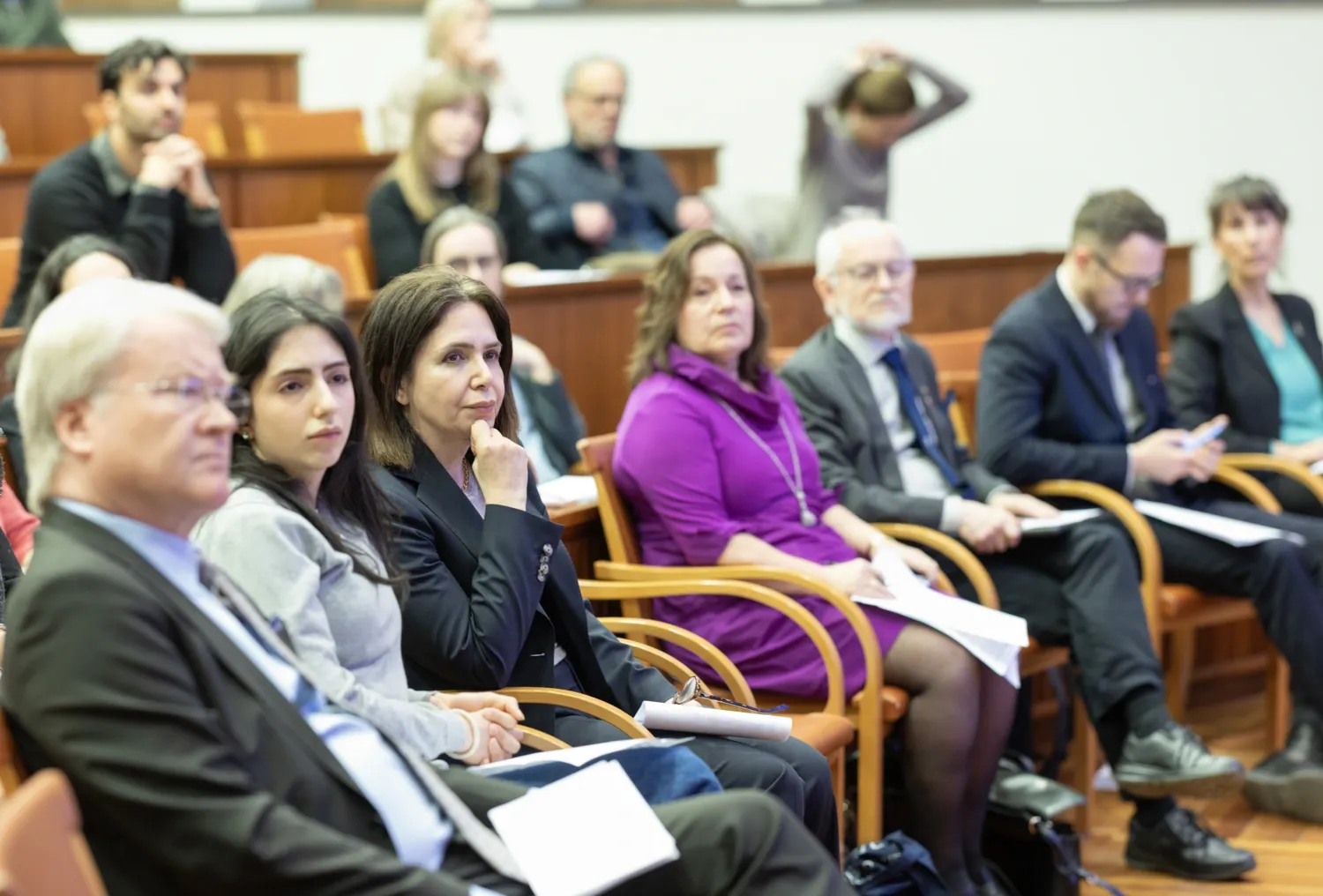
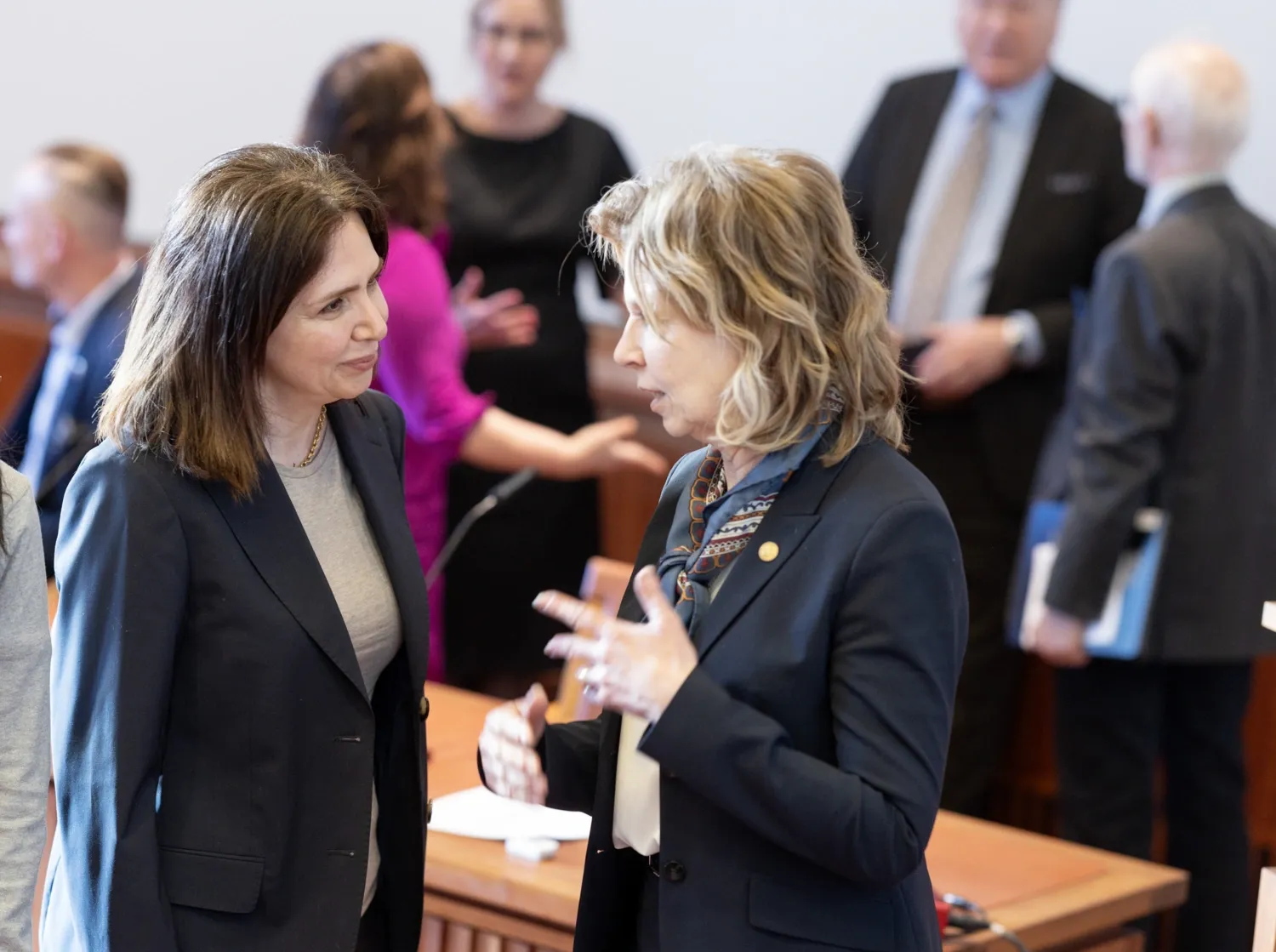
It is ten years since the doctor and researcher Ahmadreza Djalali was imprisoned in Iran. This was marked by an open seminar on threats to academic freedom and the persecution of researchers, with a particular focus on the Djalali case. The seminar brought together speakers and panellists from academia, the diplomatic community and human rights organisations at the Nobel Forum at Karolinska Institutet.
More urgent than ever
Annika Östman Wernerson, President of Karolinska Institutet, began by emphasising her frustration that, after ten years, Ahmadreza Djalali remains imprisoned in Iran in violation of fundamental principles of justice.
"The abuse suffered by Ahmadreza and his family is also an abuse and a cynical attack on knowledge, science, research and academic freedom. The fight for justice and for Ahmadreza's immediate release is more important and more urgent than ever," said Annika Östman Wernerson.
A symbol of academic freedom
Ahmadreza Djalali's wife, Vida Mehrannia, and his daughter were also present.
- Today I stand here not only as Ahmadreza's wife, but also to highlight his case as a symbol of the vital struggle for academic freedom. Being a researcher is not a crime. Academic freedom needs to be protected, and that is why we must talk about Ahmadreza's case, write about it, and keep his name alive," said Vida Mehrannia.
During the seminar, Nobel Laureate Sir Richard Roberts joined via video link to speak about the advocacy work carried out by a large group of Nobel Laureates in the Djalali case. Clare Robinson from Scholars at Risk also provided an insight into the organisation's international work.
Swedish universities at risk
The seminar concluded with a panel discussion in which participants emphasised the need for stronger protection of academic freedom, even in countries such as Sweden. Several participants argued that the fact that most Swedish universities are state authorities makes them particularly vulnerable to political influence.
"We take our academic freedom for granted, but it is a freedom that is poorly protected by the institutions. The fact that our universities are subject to the government prevents us from taking a clear stance on certain issues," said Shirin Ahlbäck Öberg, a professor at Uppsala University.
Several panellists also described Sweden's initial efforts on behalf of Ahmadreza Djalali as slow and disorganised.
"Sweden could have done much more in the early stages; with a better strategy and more intensive efforts, we would not be sitting here at this seminar today," said Maja Åberg, an expert at Amnesty Sweden.