The Tara Coral expedition studies coral resilience with resulting data to be made available in EMBL-EBI resources
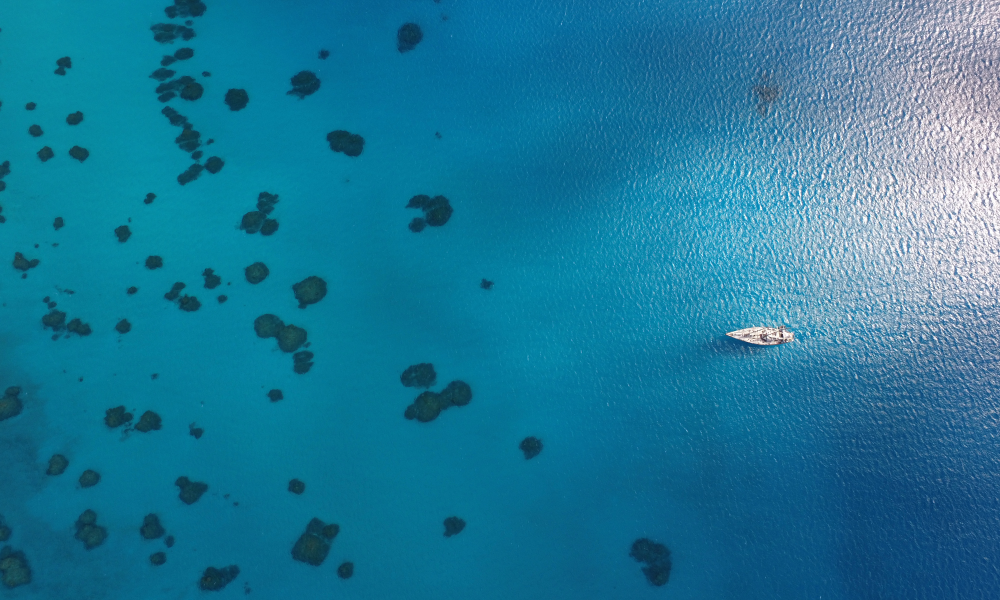
Scientists have turned sailors on an adventure across the Pacific Coral Triangle to collect data to answer one fundamental question: what are the secrets of coral resilience?
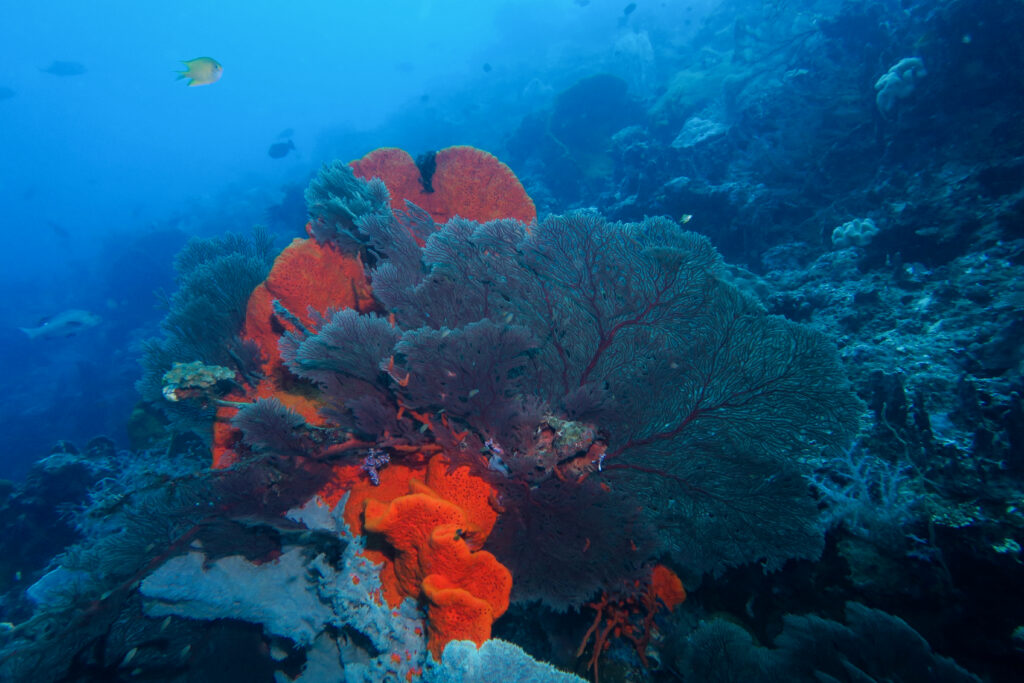
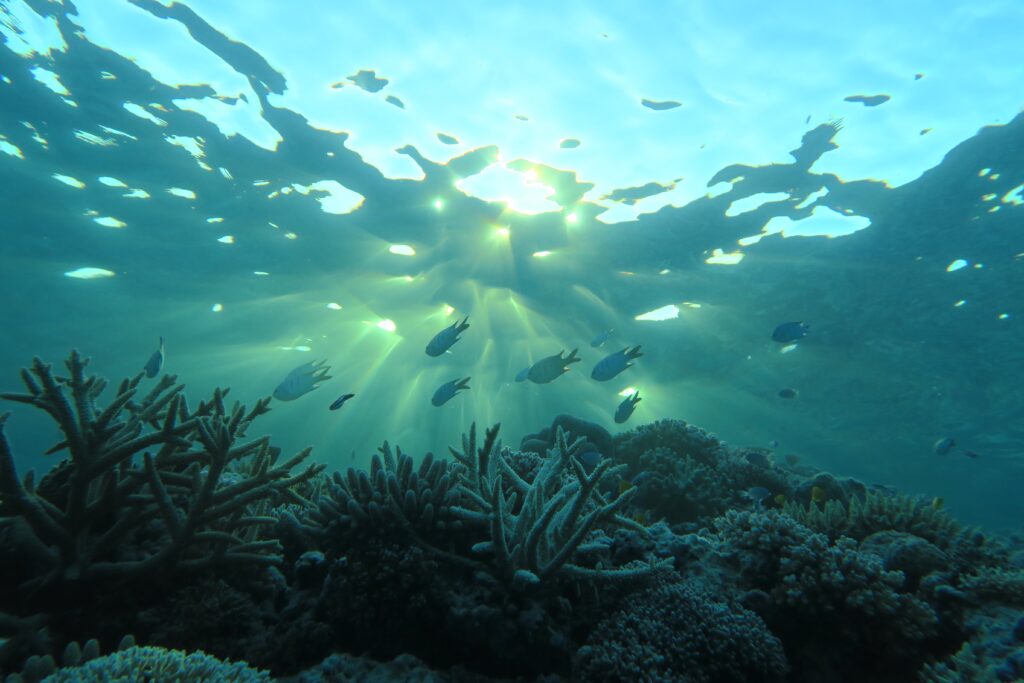
Coral reefs host approximately 25% of known marine biodiversity . While this biodiversity is under threat in most parts of the world, the reefs of the Coral Triangle have maintained their coral cover to date. This region in the western Pacific, spanning six countries including Indonesia and Malaysia, is a true biodiversity hotspot.
The Tara Coral expedition aims to uncover the ecological and molecular mechanisms that explain the exceptional resistance of corals in the East Asian seas to global warming in order to guide future coral conservation strategies.
Building on the experience of the Tara Pacific expedition, Tara Coral brings together more than 40 scientific partners, 67 scientists, and a crew of 16 on board the schooner. Over 18 months, the team will explore six countries to collect data, combining expertise ranging from diving and oceanography to bioinformatics and microbiology.
Data to identify the mechanisms of resilience
This Tara expedition will involve more on-the-ground scientific experimentation than previous Tara missions. Scientists will spend up to two weeks at each site conducting in situ experiments to analyse coral health and environmental conditions.
"Tara Coral focuses on the only major reef region where hard coral covers have remained relatively stable despite strong warming trends. This provides an extraordinary natural laboratory for identifying the mechanisms of resilience," said Paola Furla, Scientific Director, Université Côte d'Azur.
This natural laboratory is thus ideal for field sampling to collect environmental DNA (eDNA), genomic, metabolomic, and ecological data across the coral reefs, under the guidelines laid out by the Nagoya Protocol . Scientists will study the coral holobiont: the coral itself, the microbes and algae living within it, and the surrounding ecosystem.
The metadata collected will be stored in the BioSamples data resource at EMBL-EBI. "BioSamples has become the first entry point for metadata, as it links to various other resources. The idea is that BioSamples becomes the central hub to connect the different archives," explained Stéphane Pesant, Marine Biocurator at EMBL-EBI .
Genomic data will be hosted by the European Nucleotide Archive (ENA) and analysed using MGnify to explore the microbes of the holobiont. Metabolomics and imaging data will be hosted by Metabolights and the Bioimage Archive , respectively.
Impact on global conservation
By collecting data and making it openly available, EMBL-EBI supports Tara Coral in helping scientists understand how corals are adapting to climate change. These unique datasets could provide a blueprint for protecting vulnerable reefs elsewhere.
EMBL-EBI has developed standardised metadata checklists and will carry out data curation to ensure data are compatible with other projects, including Tara Pacific, a previous mission, which explored coral reefs in the broader Pacific area.
Ultimately, this open-access data could help unlock the secrets of why corals thrive in this biodiversity hotspot. "What scientists discover could have a fundamental impact on conservation strategies around the world," concluded Romain Troublé, CEO of the Tara Ocean Foundation.
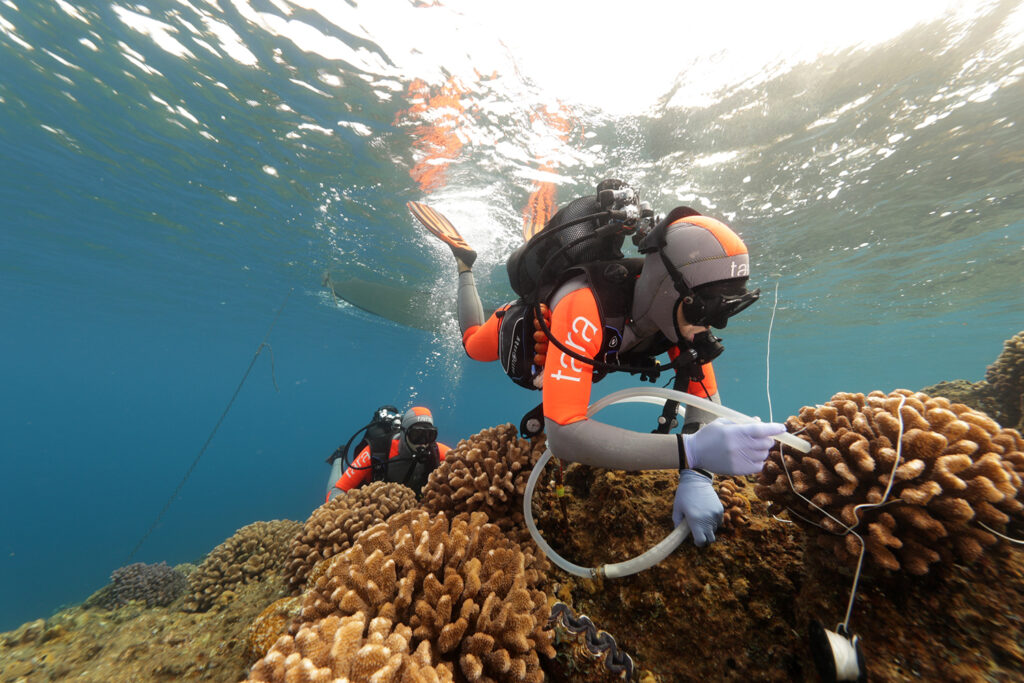
Credit: Pete West / Tara Ocean Foundation