
Scientists are detecting nanoplastics nearly everywhere, from Antarctica to the human brain, but lack established methods for understanding how they affect human health. University of California, Davis, researchers have received a nearly $4 million grant from the National Institute of Environmental Health Sciences to develop the world's first standardized method for measuring and describing the neurotoxicity of airborne nanoplastics.
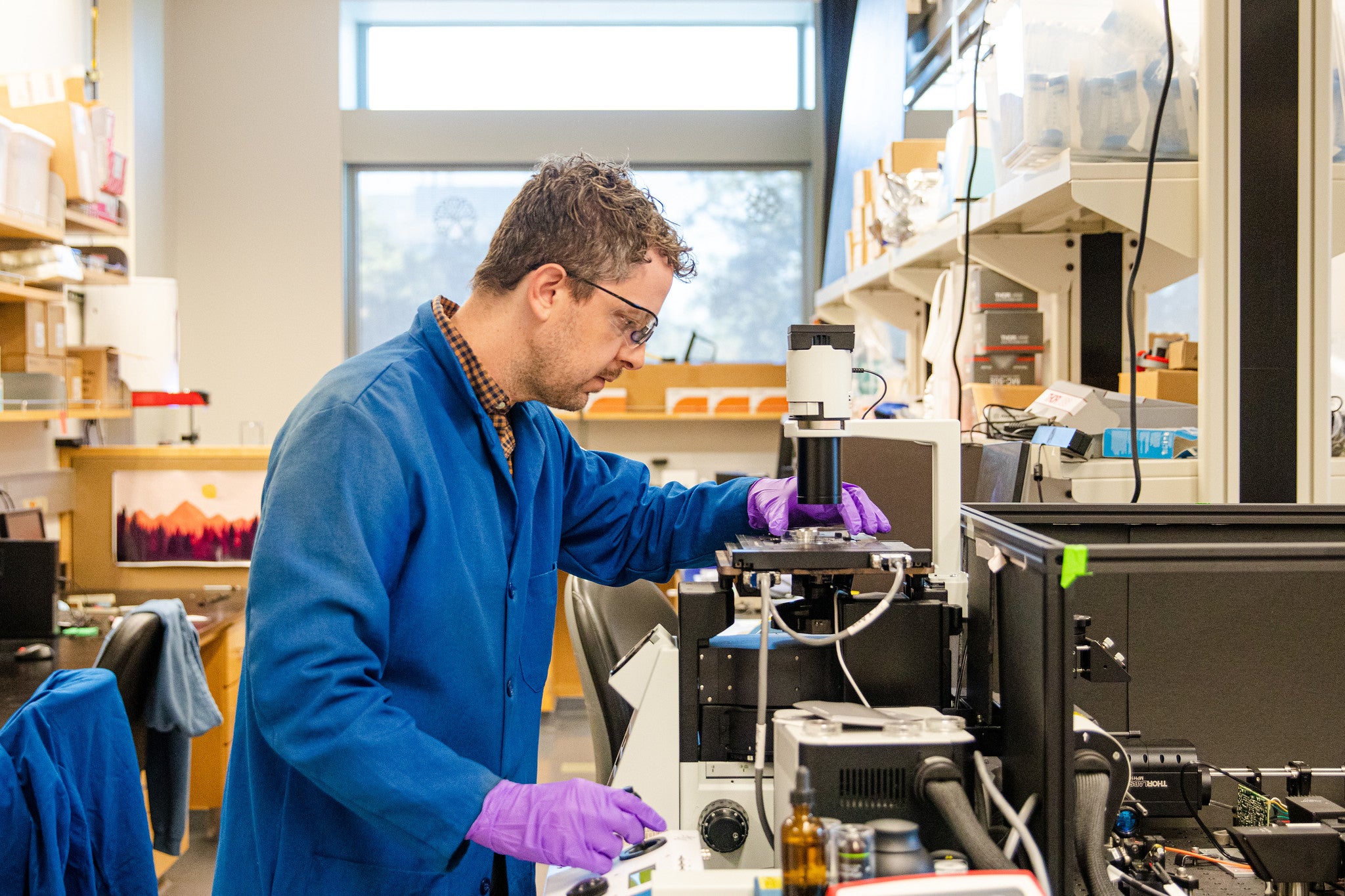
"Scientists know of some health effects of nanoplastics, but governments don't regulate them because how can you write a rule when we don't have agreed-upon ways to measure nanoplastics reliably?" said Randy Carney, an associate professor of biomedical engineering and a principal investigator on the project.
Carney leads the project with Sascha Nicklisch, an associate professor of environmental toxicology.
How are nanoplastics different from microplastics?
All plastics wear down over time to become nanoplastics. When an ocean wave breaks on the beach, a tractor plods across a field or a car screeches to a halt on a crowded highway, nanoplastics are released as air pollution.
Nanoplastics are invisible to the naked eye, up to 1,000 times smaller than microplastics, which are often about the size of a grain of sand.

Nanoplastics are light enough to float in the air. Whereas microplastics enter the body through ingestion, nanoplastics can enter the body through inhalation, allowing access to organs like the lungs and the brain.
They are also notable for their ability to potentially cross the blood-brain barrier, which is designed to keep out foreign materials. Researchers are concerned that once nanoplastics enter the brain, they may contribute to significant health problems.
A PANorama of potential health risks
Carney and Nicklisch are particularly interested in nanoplastics that become vehicles for environmental toxins. They call these pollutant-adsorbed nanoplastics, or PANs.
"The nanoplastic's surface is chemically sticky, and we think that as they drift through polluted air, harmful molecules could glom onto them, like pesticides and heavy metals, soot chemicals from car exhausts and forever chemicals like PFAS," Carney said.
Their research will test whether inhaled PANs introduce neurotoxicity or if the chemicals remain stuck to the nanoplastic inside the body. A challenge is the wide variety of nanoplastic sizes and shapes, with even the smallest variation affecting how they behave. This heterogeneity has been a huge impediment to standardizing nanoplastic research.
Characterizing and tracking nanoplastics
The team will create a specialized lab environment to prevent nanoplastics in the air from contaminating their research.
"We need to make sure that we set up controls and start and develop these methods from the ground up," Nicklisch said.
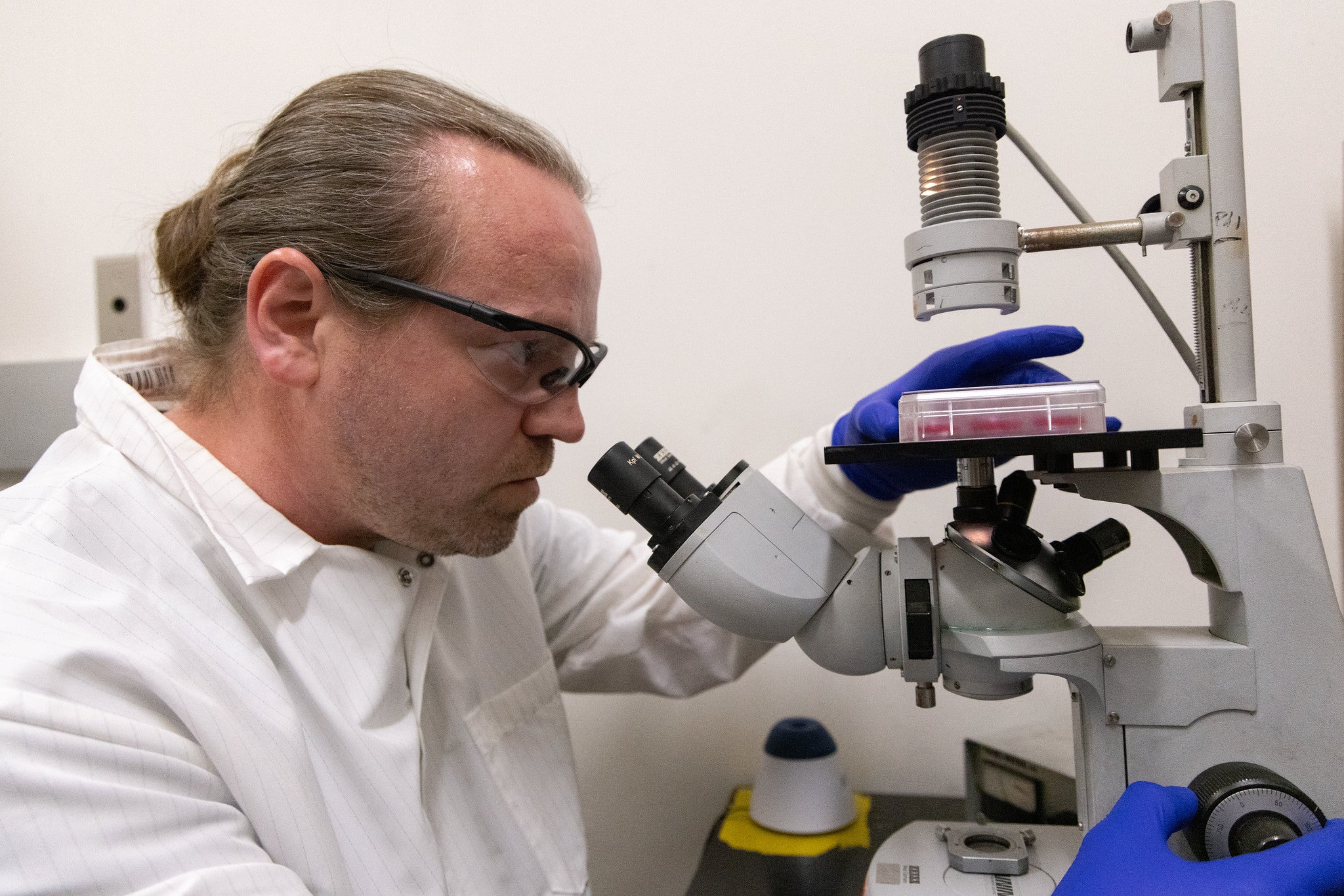
The team will use several methods for characterizing and tracking nanoplastics, efforts led by Carney's lab. Carney brings his expertise in Raman spectroscopy, a technique that allows researchers to identify and parse the molecular structure of materials. They will also use in vitro models of the blood-brain barrier to track how different sizes and shapes of nanoplastics behave in the body.
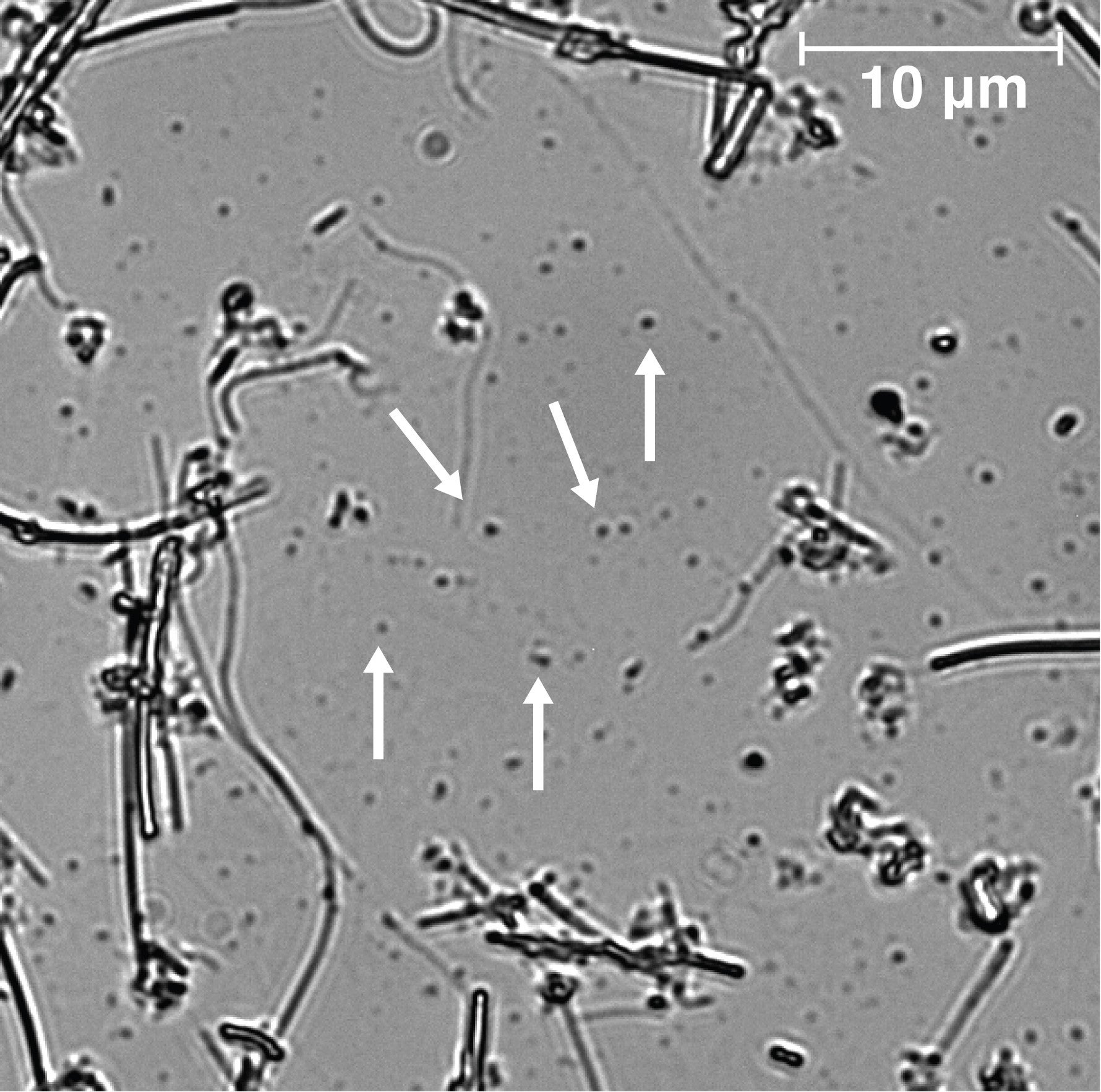
Combined dark-field and hyperspectral microscopy will allow the researchers to observe the natural physical and molecular properties of nanoplastics without introducing contaminants to aid with visualization. This will enable the researchers to observe how nanoplastics and pollutants interact to become PANs, explained Elizabeth Hale, a Ph.D. student in the Carney Lab.
Measuring health impacts to inform policies
In concert with Carney's imaging work, Nicklisch's team will quantify how nanoplastics lead to neurotoxicity.
Nicklisch will establish screening methods to measure how different combinations of nanoplastics and chemicals affect the gene activity of cells. In particular, he will look at whether PANs turn on biomarkers for inflammation, cell death and diseases like cancer.
His lab will also seek to understand the mechanisms by which nanoplastics are able to pass through the blood-brain barrier.
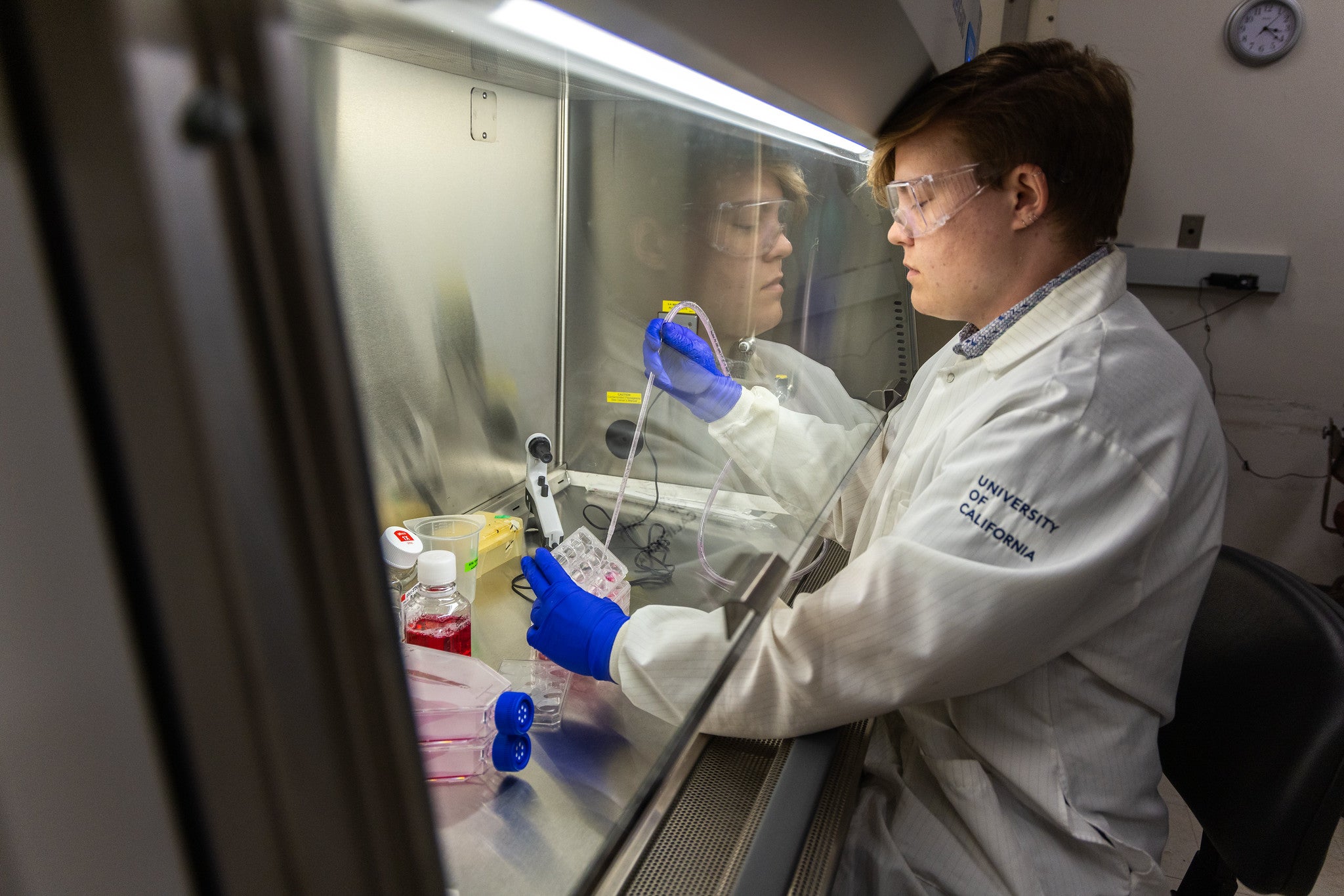
"Our current study is critical to gain a more accurate understanding of the risks of atmospheric nanoplastics on human health, which has yet to be investigated at environmentally relevant concentrations," said Eli Wooliever, a Ph.D. student in Nicklisch's lab.
The UC Davis team's findings and methods could help researchers identify the most harmful forms of nanoplastic pollution and provide policymakers with a scientific basis for evaluating future regulations.
"A big part of what we're trying to do here is just to set a standard, repeatable way of detecting and quantifying how much exposure causes how much harm," Carney said.


