Key points
- Australia is the eighth-largest copper-producing nation, delivering three per cent of global supply.
- Copper is a strategic metal essential for global efforts toward cleaner energy and electrification and opens opportunities for Australia to become a secure supplier.
- CSIRO R&D supports Australia's copper industry through innovation in mineral discovery, extraction and processing aligned with greater sustainability goals.
Every time we turn on a light, charge a phone or drive a car, we rely on copper.
It was one of the first metals for tools and trade and even holds the dubious honour of being the subject of the world's first recorded customer complaint dating to around 1750 BCE .
It is one of the world's best conductors of electricity and heat. It is malleable, durable and highly recyclable; what made it workable for the earliest metalsmiths makes it ideal for modern technologies. And the average Australian home contains 90 kilograms of it – hidden in walls, appliances and electronics. Wind turbines, solar panels, electric vehicles, AI data centres and power grids all depend on copper to move electricity efficiently.
As energy systems electrify, copper use is rising sharply – and renewable energy technologies can require up to five times more copper than fossil fuel-based systems.
About two thirds of all copper produced in the past century is still in use, forming a vast 'urban mine'. Around 32 per cent of annual global copper use over the past decade has come from recycled sources .
However, while copper can be recycled endlessly, new supply is still needed to meet growing global demand.
Australia's copper opportunity
As global demand accelerates, copper is becoming increasingly valuable to Australia's economy, industry and long‑term prosperity.
Australia is currently the eighth largest copper producer globally , accounting for around three per cent of world supply . But it's estimated that Australia holds around 10 per cent of global copper resources , positioning the country as a long-term supplier in an increasingly tight international market. This gap between resource endowment and production highlights strong on-going potential for the Australian copper industry as new projects come online and existing operations expand.
Copper underpins billions of dollars in exports each year, supports thousands of regional jobs and strengthens Australia's reputation as a reliable supplier of materials.
How is copper is formed?
Copper forms through a range of geological processes that play out over hundreds of millions to billions of years.
In many cases, copper is transported closer to the surface when hot, mineral rich fluids move through the Earth's crust. These fluids can be released by magma deep underground or driven by heat and pressure during tectonic activity. As the fluids cool or react with surrounding rocks, copper minerals are deposited and slowly accumulate.
Some of Australia's most important copper resources occur in sedimentary basins , where copper rich fluids have moved through layers of sedimentary rock and deposited copper over vast areas. Other deposits form in association with volcanic activity or large intrusive bodies of magma.
These different formation pathways explain why copper occurs in so many rock forms and why finding new deposits requires a deep understanding of geology, physics, chemistry and Earth's development history.
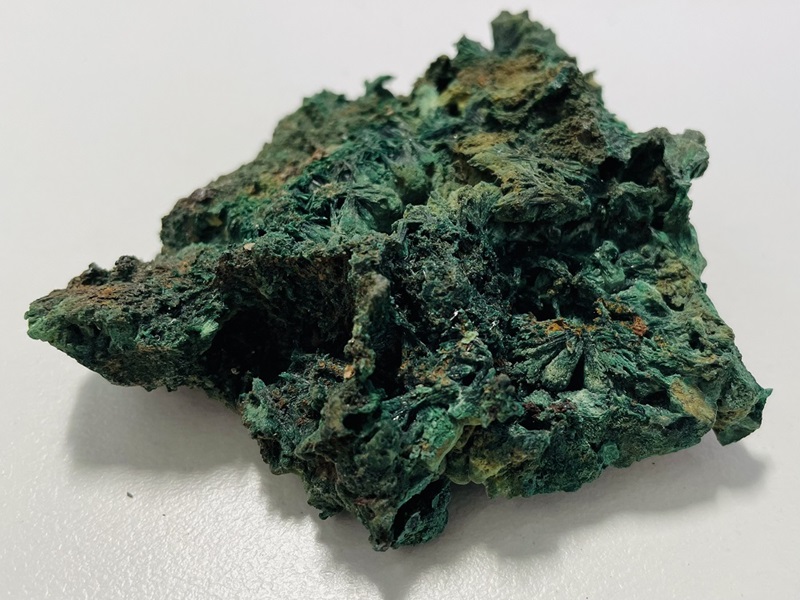
Copper occurs in nature in around 160 copper bearing minerals , like chalcopyrite, a major source, and brilliant blue malachite and azurite.
A strategic metal for Australia
Because of its importance to the economy, security and technological development, copper is classified as a strategic material in Australia. In countries including the United States, Canada, Japan and South Korea, it is deemed a critical mineral.
With significant reserves and established operations, Australia is viewed by many countries as a dependable supplier, particularly as nations prioritise stable, transparent supply chains for critical materials.
This matters for regional Australia, where copper mining supports jobs and local industries in South Australia, Queensland, New South Wales and Western Australia.
Science to meet surging demand
Despite its endless recyclability, copper now faces a modern supply challenge as demand surges to historical highs. Many existing copper mines are decades old and higher-grade deposits are becoming harder to find. Some mining companies are even reprocessing old waste piles where copper can be found in past mining spoils, but it can be difficult to extract copper from these environments.
Meeting this challenge calls for innovation across copper discovery, mining, processing, and mine site rehabilitation, or potentially re-mining of waste.
CSIRO works with industry across the copper value chain, combining geoscience, physics, chemistry, engineering and data science (including AI) to support more sustainable outcomes.
Finding new copper resources
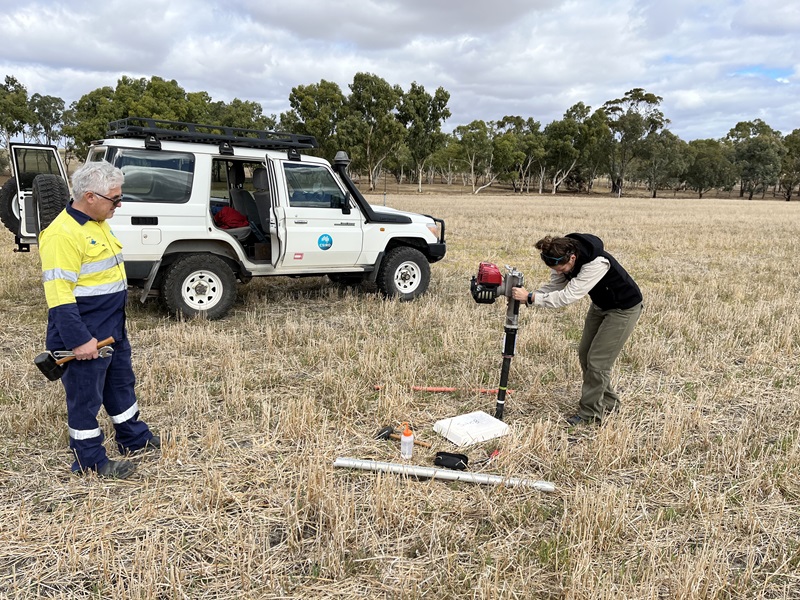
CSIRO researchers are improving our understanding of how copper deposits form and where they are most likely to be found. This includes a strong focus on sedimentary basins , which account for a significant share of global copper production but can be challenging to explore.
Using a mineral systems approach, CSIRO scientists help explorers narrow large search areas, reducing cost and uncertainty. Instead of searching for 'the needle in the haystack', tools such as LandScape+ , XT Minerals , innovative geophysics, and 4D-process modelling reduce the size of the haystack, allowing efforts to be concentrated where they matter most.
Copper mining and processing more efficiently
As ore grades decline, processing copper becomes more complex and energy intensive. CSIRO research is helping industry extract copper from lower grade and more complex ores, extending the life of existing mines and reducing waste.
Upgrading raw material before it reaches the plant
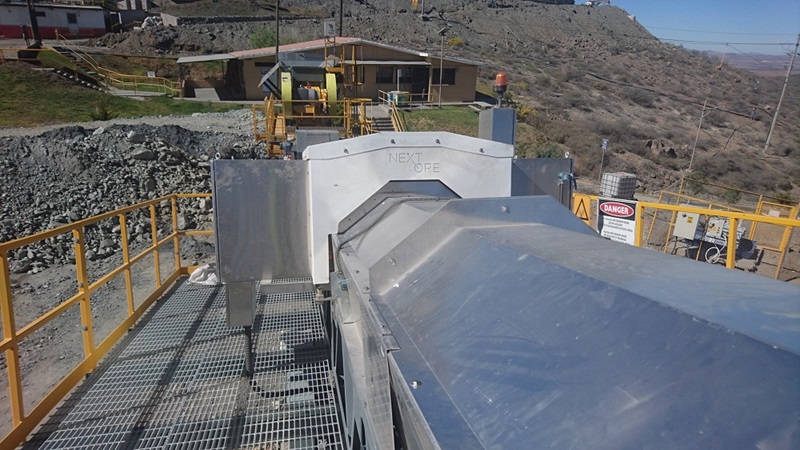
Identifying and removing low value rock early, before it is crushed and ground, keeps waste out of the plant and lifts productivity. CSIRO's Sensing and Sorting team develops real time sensing technologies using magnetic resonance and X ray based methods that can rapidly measure ore properties and support bulk ore sorting and ore waste discrimination on a conveyor.
For copper operations, better sensing and sorting can improve the effective feed grade to the plant, reduce energy and water use per kilogram of copper produced, and cut the volume of tailings generated. CSIRO's award-winning magnetic resonance ore sorter, commercialised through the spin out NextOre , is helping to make previously marginal resources more viable by improving the economics of mining and processing lower grade material.
Smart heap leaching to lift copper recovery
After mining comes extraction.
Research Director, Dr Mark Dorreen, leads CSIRO's research on green metals production.
"One of the most widely used industrial methods for metal recovery from increasingly low-grade ore is heap leaching," said Dr Dorreen.
"Here, crushed copper-bearing rock heaps are chemically treated to mobilise or 'leach' copper into a solution that is enriched and collected for further processing."
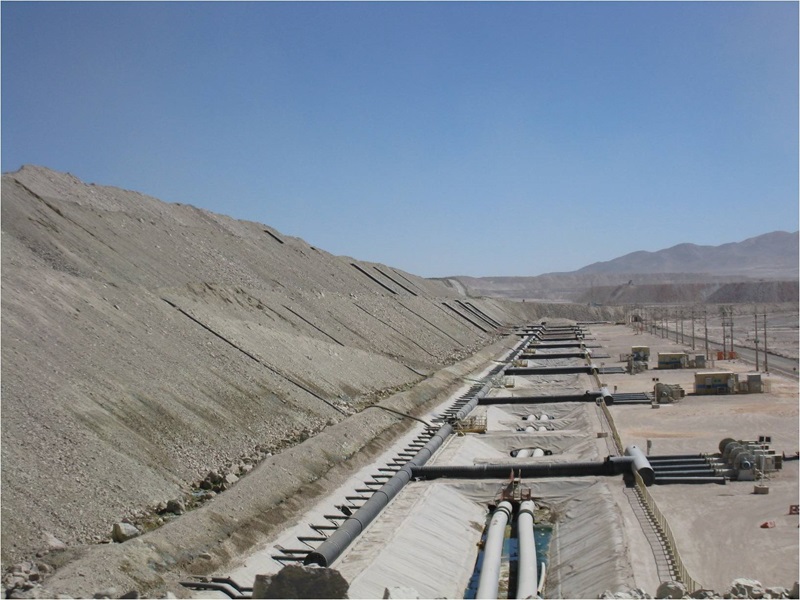
CSIRO is developing intelligent approaches to leaching, featuring automated and instrumented systems that supply constant streams of data.
"By tracking key variables like pH, redox potential, temperature and conductivity, operators are able to fine-tune leaching processes and reduce risks when scaling up," said Dr Dorreen.
"Our Intelligent Leaching Columns (ILC) facility in Victoria is demonstrating robust solid-state sensing technology which can be used by mining companies to optimise leaching conditions before committing to their billions of dollars of heaped ore."
Smarter and safer copper refining
Refining copper into high-purity metal can involve electrolytic processes such as electrowinning and electrorefining. These processes use electricity to deposit pure copper metal from a copper rich solution onto cathode plates, producing high purity copper for sale.
"Short circuits in copper refining tankhouses happen when electricity takes a shortcut between electrodes," said Dr Dorreen.
"Not only do shorts waste energy and slow copper production, they can also create hot spots and unstable electrical conditions, making manual inspections and repairs more hazardous for workers."
CSIRO has developed the Dynamic Cell Control Platform (DC.CoP®), a real-time ultra-high current switching and control system designed to detect and respond rapidly to short-circuit events in tankhouses before they become a problem requiring substantial manual intervention.
"This technology can significantly improve current efficiency and therefore copper production, as well as overall safety."
Wiring a low emission energy future
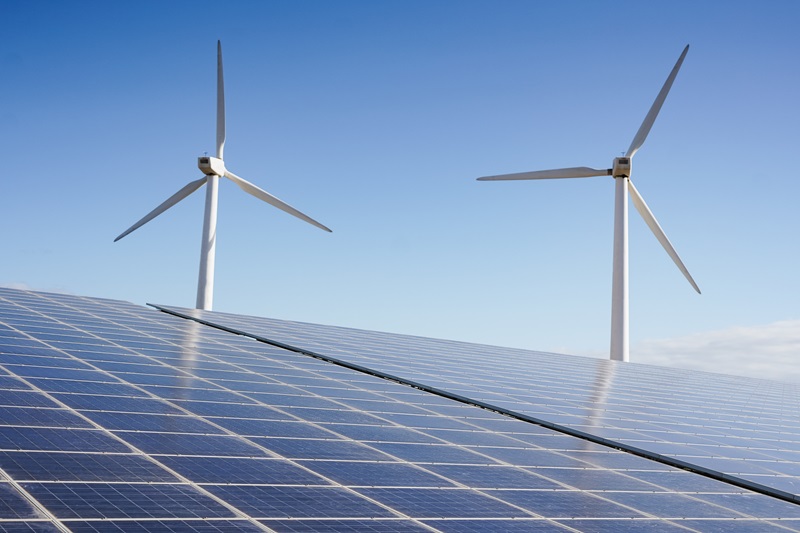
Copper's ability to transmit electricity efficiently makes it indispensable for a low emissions world. It reduces energy losses, enables renewable power and supports the technologies needed to cut greenhouse gas emissions.
As Australia and the world work towards net zero, copper will remain a critical commodity. With strong resources and a competitive innovation system, Australia has the potential to sustainably produce more copper and strengthen its role as a trusted global supplier.