
The first stage of Melbourne's Suburban Rail Loop, SRL East, is expected to get more young and working-age Melburnians out of their cars and walking, according to RMIT University modelling that predicts walking in suburbs around future stations could increase by up to 11%.
The first stage of Melbourne's Suburban Rail Loop, SRL East, is expected to get more young and working-age Melburnians out of their cars and walking, according to RMIT University modelling that predicts walking in suburbs around future stations could increase by up to 11%.
Researchers used advanced agent-based transport modelling to test the impact on travel behaviours and walking of SRL East - the 26‑kilometre underground rail line from Cheltenham to Box Hill with six new stations expected to open in 2035.
The modelling predicts SRL East will increase average walking distances in SRL precincts by 4.9-11.1%, with the largest increase among younger people aged 20-24.
People in their late 20s were also projected to record substantial increases in walking at around 9.5%, for trips to, from and between SRL precincts that include walking.
Overall, the modelling suggests SRL East will lead to fewer car trips, as more people shift their travel from driving to using the new rail services and walking.
RMIT Associate Professor Lucy Gunn said increasing walking and public transport use is linked to improved health outcomes and other benefits, including fewer car trips and better air quality.
"For younger people, public transport use early on can be formative for longer-run behaviour change towards more sustainable transport options," she said.
"Freeing up road space may also enable greater use of cycling as a viable mode if there is less traffic and improved road safety for cyclists."
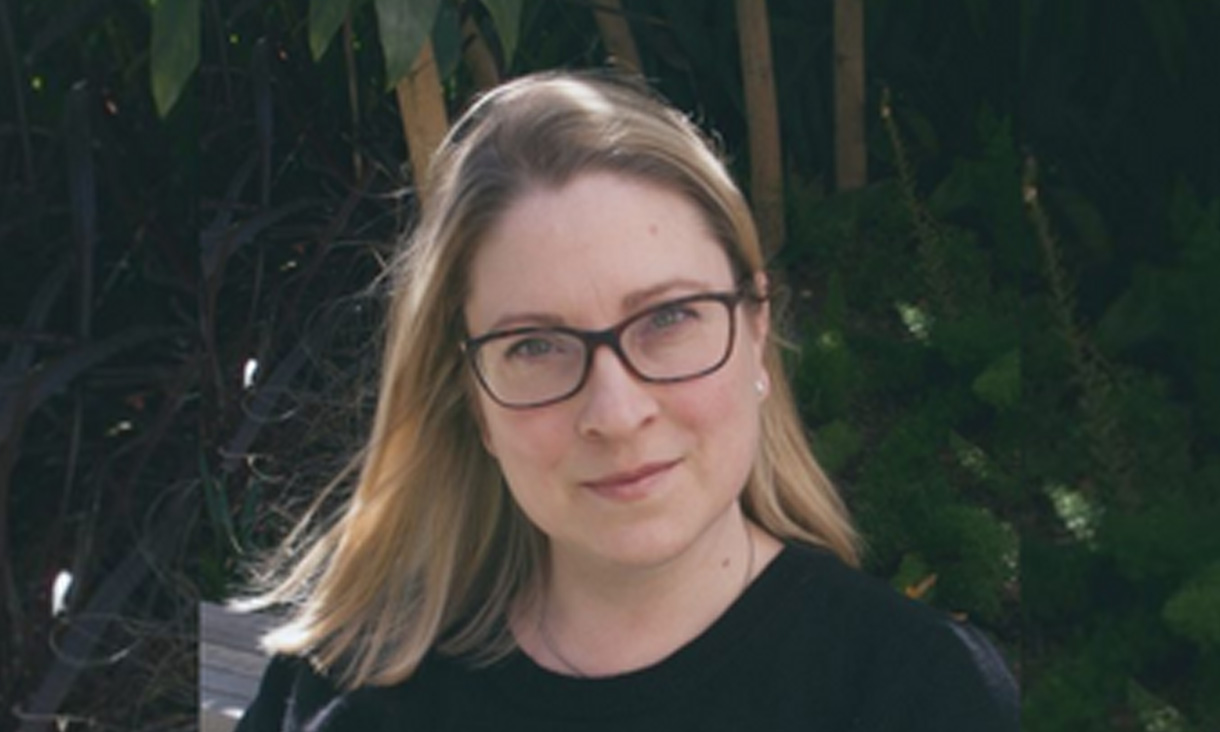 RMIT Associate Professor Lucy Gunn
 Gunn said the modelling also reflected how mid- to older-aged people and women were less likely to change behaviours but could be encouraged to use public transport with the right conditions through safer environments and reducing crime.
"Shifting the travel habits for these groups would require safer environments as some studies suggest that using public transport can be more challenging and threatening when you are older or are more vulnerable," Gunn said.
The findings come from an independent study, published in Transportation Research Interdisciplinary Perspectives.
The modelling was based on behaviour from travel diaries from the Victorian Integrated Survey of Travel and Activity data collected between 2012 and 2018.
While it uses pre-COVID data, the researchers say it still reflects more stable travel patterns and was the latest data release available at the time of the modelling.
"While it could be considered a limitation, it does give a fair perspective of travel behaviours without unusual events such as COVID, fuel crises, or free travel disrupting travel patterns," Gunn said.
"We also recognise that travel patterns are now changing rapidly."
If the full Suburban Rail Loop - including the north and west sections - were modelled, it could show larger shifts to public transport and more walking, Gunn said.
Gunn said the Suburban Rail Loop's full potential will only be realised if it is well connected to other transport modes, including frequent buses and safe cycling routes.
"Many areas, especially the growth areas of Melbourne, still don't have enough public transport to reduce reliance on motor vehicles," she said.
"This raises questions about current public transport policies and highlights the need for more integrated services, including better bus connections."
Gunn and her team are preparing further modelling studies on the Suburban Rail Loop as the project approaches major construction.
'Developing a multimodal transport simulation model using a case study of the Suburban Rail Loop East, Melbourne, Australia' is published in Transportation Research Interdisciplinary Perspectives. (DOI: 10.1016/j.trip.2026.102018)


