
U.S. Food and Drug Administration approved GENGLYCOS, a one-time gene therapy for adults and pediatric patients ages 8 and older with GSDIa and the first drug approved for this disease.
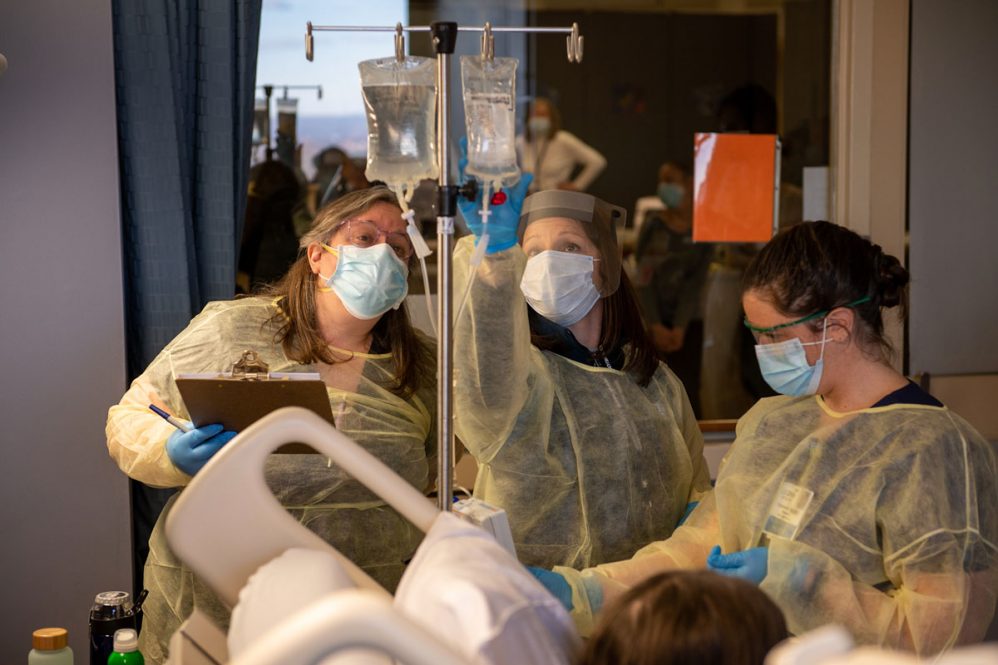
Dr. Rebecca Riba-Wolman, Amber Barry, RN and Stephanie Ruggiero, RN monitor the infusion for the GSD 1a phase 3 trial participant (Tina Encarnacion/UConn Health Photo).
For families living with glycogen storage disease type Ia (GSDIa), managing the disease can mean planning life around glucose.
GSDIa is a rare genetic metabolic disorder caused by changes in the G6PC gene. The resulting deficiency of an enzyme called glucose-6-phosphatase, or G6Pase, prevents the liver from properly releasing glucose into the bloodstream. This can lead to potentially life-threatening episodes of low blood sugar, particularly during fasting or overnight.
For decades, families have relied on intensive dietary management-including frequent meals and around-the-clock doses of raw cornstarch-to help maintain safe blood glucose levels. While this approach can help manage the disease, it can also place an extraordinary burden on patients and caregivers.
Now, there is a new option.
On August 19, 2026, the U.S. Food and Drug Administration approved GENGLYCOS, a one-time gene therapy for adults and pediatric patients ages 8 and older with GSDIa. It is the first FDA-approved treatment designed to address the underlying cause of the disease.
How does the treatment work?
In simple terms, GSDIa patients are missing functional G6Pase activity in their liver.
GENGLYCOS uses an AAV8 vector to deliver a working copy of the G6PC gene to liver cells. Those cells can then produce G6Pase, helping restore the liver's ability to release glucose and respond to the body's normal signals involved in glucose regulation. The treatment is administered as a single intravenous infusion.
The goal isn't simply to manage the symptoms of GSDIa-it is to address the underlying biological cause.
What could this mean for patients and families?
The approval offers eligible patients a new treatment option and the potential to reduce some of the extraordinary daily burden associated with managing GSDIa.
In the Phase 3 GlucoGene study, patients receiving the gene therapy experienced significant reductions in the amount and frequency of daily cornstarch needed while maintaining low levels of hypoglycemia. Studies also demonstrated improved fasting tolerance and improvements in patient-reported quality of life.
For families who have spent years carefully timing meals, monitoring glucose and planning overnight care, the possibility of reducing that burden represents a meaningful step forward.
Importantly, GENGLYCOS is not being described as a cure, and patients will continue to require specialized medical care. The FDA granted accelerated approval, with additional safety and efficacy data required following approval.
A milestone decades in the making
This approval represents years of research and collaboration across institutions and around the world.
We're incredibly proud of the pivotal contributions of Dr. Riba-Wolman, Pediatric Endocrinologist and Director of the Glycogen Storage Disease Program & Disorders of Hypoglycemia and her teams at UConn Health, University of Connecticut School of Medicine and Connecticut Children's including Dr. Karen Loechner, Malaya Mount RD, Vi Nguyen, Julieta Bonvin-Sallago and Shaylee King. We appreciate the important role of Dr. David Weinstein in his work to start early gene therapy trials.
Clinical trial work at UConn began in 2018, including the Phase 1, first-in-human infusion for this therapy and the first infusion worldwide for the Phase 3 study.
We also recognize the patients, families and GSDIa community whose trust, participation and partnership have been an essential part of this research journey.
From early scientific discoveries to clinical research and ultimately an FDA-approved therapy, this milestone demonstrates what is possible when the research and medical communities come together with a shared commitment to improving the lives of patients with rare diseases.
For the GSDIa community, this is not simply the end of a decades-long research journey. It is the beginning of a new chapter.
Resources:
UCONN TODAY- World-First Gene Editing Trial for Rare Genetic Disease
Glycogen Storage Disease Program & Disorders of Hypoglycemia | Connecticut Children's


