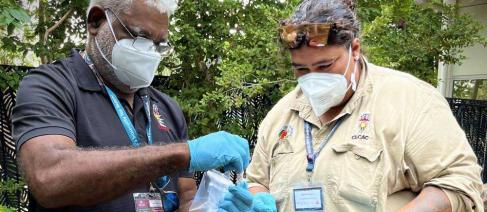
Coming from as far west as the Kimberley coast and from the top of the Northern Territory's Arnhem Land, 24 Indigenous Rangers gathered for the first Indigenous Ranger Biosecurity Masterclass in Darwin.
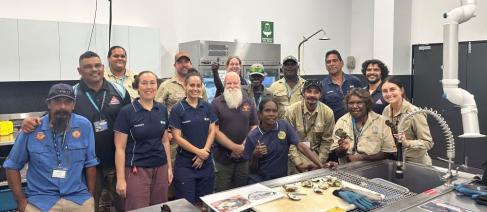
Held over 2 days in early February, this advanced training program marked the latest step in the department's efforts to expand professional development opportunities for experienced Indigenous Rangers. The program has been designed to strengthen the nation's frontline biosecurity capabilities which protect Australia from new and emerging exotic pests, diseases and weeds.
Renae Todd, Director of the Indigenous Ranger Biosecurity Program said, 'Indigenous Rangers help us keep a top watch across a vast landscape. This masterclass is about equipping Rangers with the tools and connections to protect Country and our national biosecurity system.'
To be eligible for the masterclass, participants were required to have completed the Biosecurity Fundamentals Training and have 2 to 3 years' experience working as a ranger.
Over the course of the 2 days, rangers learned sophisticated strategic survey planning techniques and how to identify priority pests and diseases to support early detection and prevention. The participants also took part in scenario-based activities, including the development of Toolbox Talks, operational briefings and an elevator pitch on the Indigenous Rangers Biosecurity Program.
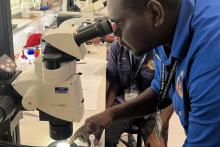
Laboratory experience was also included in the program with scientists demonstrating how samples are processed using molecular techniques, and how the data collected supports national biosecurity reporting systems. Aquatic biosecurity also featured, with rangers learning how to conduct coastal and aquatic biosecurity infrastructure surveillance. This included the use of marine sensors known as settlement arrays as well as environmental DNA (eDNA) techniques, the sampling of genetic material in the environment to help detect the presence of pests.
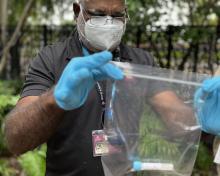
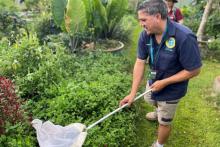
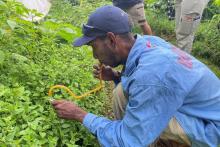
Manni Edwards of Goondoi Rangers said, 'I found the biosecurity masterclass enjoyable and an effective way to deliver training. The on-Country field workshop in citrus collection was fantastic.'
Jayvan Singleton, Senior Ranger Operations Manager from Dawul Wuru Aboriginal Corporation said, 'Participating in the masterclass was a wonderful opportunity, especially being able to identify invasive species such as the Asian green mussel and black-striped mussel. Early detection is vital to stop these pests before they overwhelm and destroy our native species and waterways. This training has given me the technical confidence to monitor our coastlines more effectively and to share this knowledge with my team and community.'
The launch of the masterclass represents a major milestone for the department in strengthening northern Australia's biosecurity capability and improving the quality and consistency of biosecurity data collected by ranger groups.
Masterclass attendees received a certificate of completion, recognising their contribution to safeguarding Australia's environmental and agricultural assets.