
By Tamara Hunter
UWA researchers have cautiously backed calls for nationwide genomic testing after taking part in a Monash University-led pilot study which showed strong community appetite for genetic information that could help prevent disease.
The national study offered free genomic screening to 10,000 Australians aged 18-to-40 years, testing for 10 genes linked to hereditary breast and ovarian cancer, Lynch syndrome, and familial hypercholesterolemia (FH).
More than 30,000 people registered to take part in the study, which sought to assess the feasibility of population-wide genomic testing for selected high-risk, medically actionable conditions.
In findings published in Nature Health in January this year, the study found one in 50 participants (two per cent) was at high risk of developing one of the tested conditions.
Those identified were referred to genetic counselling and then to their local specialist centre for follow-up care and risk management. Eighty-nine per cent of the 202 people who screened positive took up the offered support, with some since diagnosed with cancer or cardiovascular disease.
Lead authors Professor Jane Tiller and Professor Paul Lacaze from Monash University said the study demonstrated that voluntary, population-based genomic screening was not only feasible but life-saving, providing Australians with critical health information that allowed them to prevent or identify disease early.
They are now advocating for the Federal Government to fund a 100,000-person translational phase to help determine the best way to implement the program nationally.
Winthrop Professor Gerald Watts, an FH specialist from UWA's Medical School and study co-author, agrees proactive genomics testing could benefit thousands of Australians but only if accompanied by measures such as equitable access to tests, guaranteed access to counselling and support, careful integration with existing systems, and cascade testing of families.
"Such a program must be coupled with family screening to pick up first- and second-degree relatives," Professor Watts says.
"Ideally it would also capture children because conditions like FH are already present in utero but are typically not picked up until much later.
GPs and specialist services are not currently resourced or trained to absorb large numbers of newly identified patients so there would be a great need for additional training, infrastructure and support.
Winthrop Professor Gerald Watts

"You also have to have a model for caring for these people after you've identified them – you shouldn't go out detecting disease risk if you can't promise people the best care possible once you find it."
He says existing health services that are already under the pump would need to be strengthened.
"GPs and specialist services are not currently resourced or trained to absorb large numbers of newly identified patients so there would be a great need for additional training, infrastructure and support."
Co-author Dr Kristen Nowak – an Adjunct Associate Professor with UWA's School of Biomedical Sciences and Director of the Office of Population Health Genomics with the WA Department of Health – says genomic testing offers great opportunity, especially for preventative health, but comes with social, legal and ethical considerations.
Generally we shouldn't just test because we can – there needs to be a good reason, particularly when using health dollars.
Dr Kristen Nowak
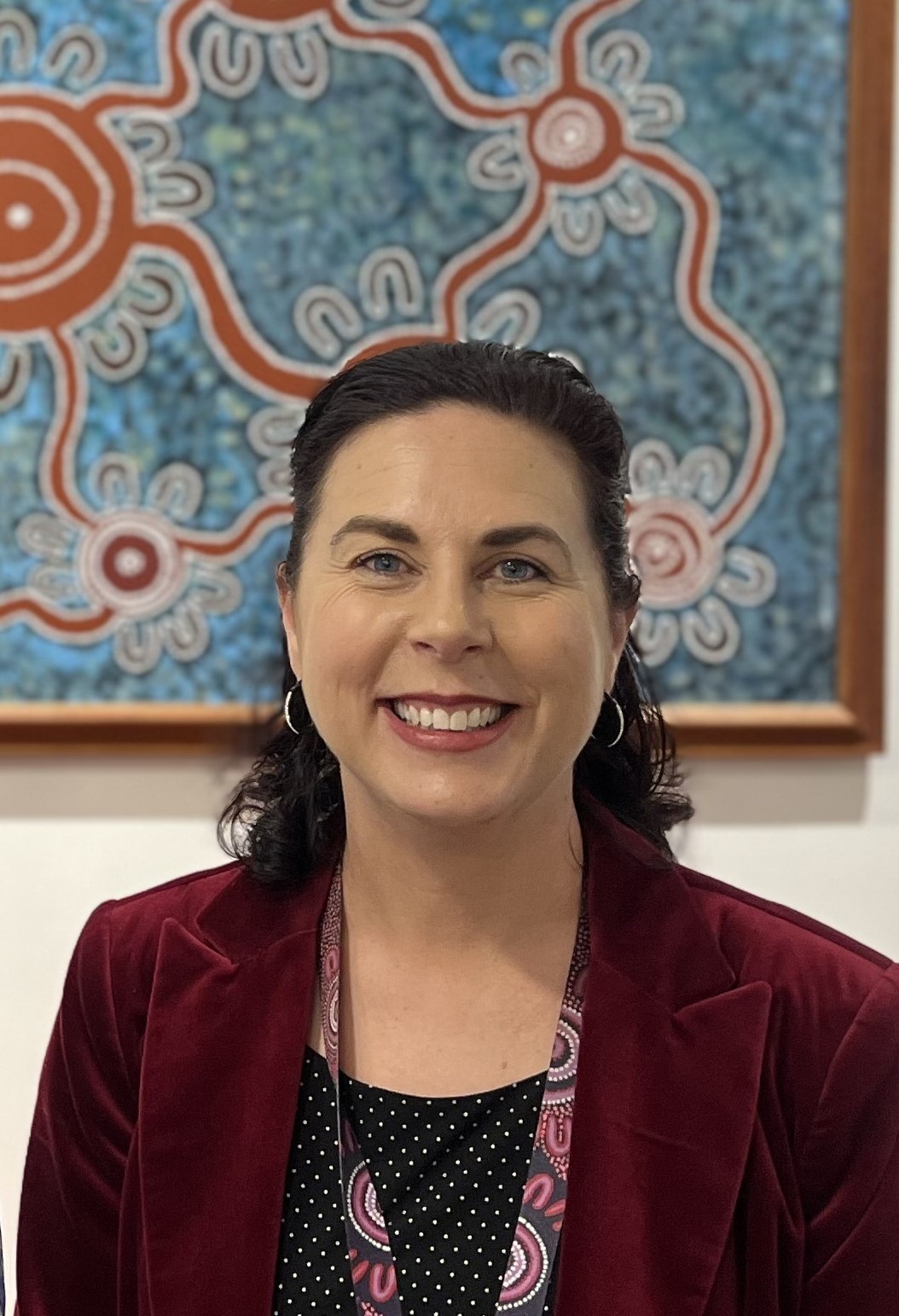
"The phenomenal public response to this study shows people want to be proactive about their health and engage in genomics, but it is an area that can have a lot of sensitivities – especially because genomics don't just tell us about our own potential risk or health condition but possibly our family's as well," Dr Nowak says.
"Generally we shouldn't just test because we can – there needs to be a good reason, particularly when using health dollars.
"Fundamentally it should be a good use of public funding, and you want to cause more benefit than harm.
"We also want to make sure we've got that model of care available at the right scale, so while this has been a world-leading study with extremely promising outcomes, there's a lot of work still to be done before possible implementation."
- Familial hypercholesterolemia (FH) is an inherited genetic disorder that affects how the body processes cholesterol and significantly increases the risk of heart disease and early heart attacks. It affects approximately one in 250 Australians.
- Lynch syndrome is an inherited genetic condition that significantly increases the risk of colorectal, endometrial and several other cancers. It is believed to be Australia's most common inherited cancer risk, with one in 280 Australians believed to carry the mismatch repair gene fault associated with the condition.
- Of the 165 people found to be at high risk who went on to genetic counselling, nearly 75 per cent would have been ineligible for existing government-funded genetic testing.
Read the full issue of the Winter 2026 edition of Uniview [Accessible PDF].


