
Karolinska Institutet is the host organisation for nine applications - and KI researchers are involved in several other additional ones - in the Swedish Research Council's and Vinnova's call for excellence clusters for groundbreaking technologies. These clusters of excellence will combine research of the highest scientific quality with the best and most extensive innovation capabilities. Among the KI applications is a cluster for RNA-based drugs.
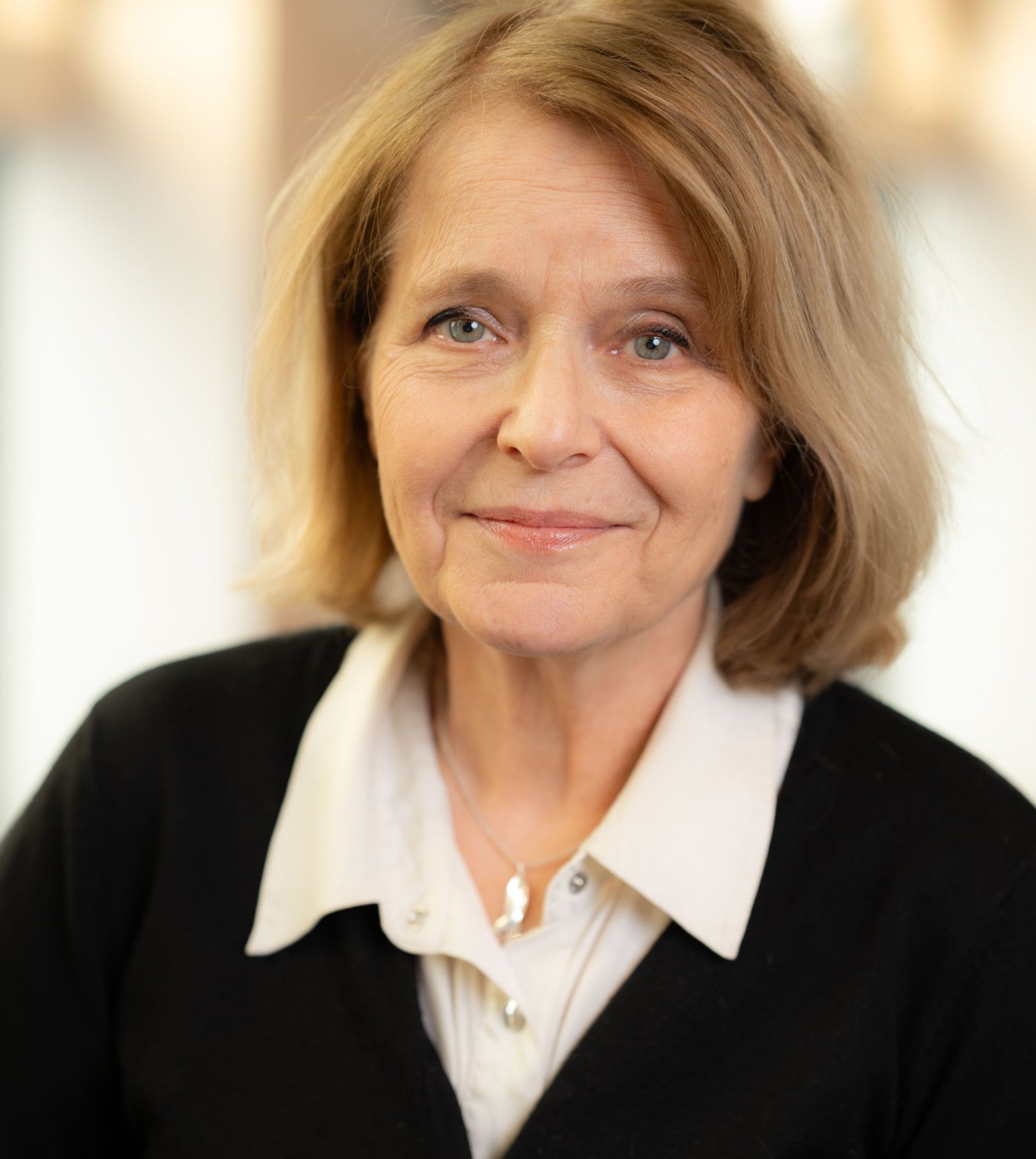
"With these applications, KI is exhibiting the best that we have - strong environments and creative ideas," says Clara Hellner , presidential advisor in life science and adjunct professor at the Department of Clinical Neuroscience . "What we're seeing is highly driven and qualified researchers stepping forward and teaming up with talented individuals. I'm impressed and proud of their hard work and the responsibility they're taking as regards propelling research and innovation forward in their fields."
Professor Hellner also chairs the steering group coordinating KI's applications linked to the government's research bill. The present call is for excellence clusters for groundbreaking technologies, the application deadline for which ended on 10 June.
Steering group support for short call duration
The call has resulted in nine applications for which Karolinska Institutet is the host organisation. KI researchers are also involved in several additional applications coordinated by other organisations.
Due to the short call duration, KI opted let all interested parties apply rather than conduct an internal expert review of the applications, Professor Hellner explains.
"The steering group has focused on following the communication from the financiers and offering support to those applying for grants," she says.
The joint call by the Swedish Research Council and Vinnova aims at establishing internationally leading excellence clusters for groundbreaking technologies that will combine research of the highest scientific quality with the best and most extensive innovation capabilities. The ultimate objective is to strengthen Sweden's long-term competitiveness.
Between five and fifteen excellence clusters will be awarded grants of SEK 40-100 million a year per cluster from the Swedish Research Council plus financing from Vinnova equivalent to 75 per cent of the application sum. The grant period will last five years with the possibility of a five-year extension.
Solid conditions at KI
One of KI's applications is for a centre of excellence for RNA-based precision therapies and is led by Professor Samir EL Andaloussi at the Department of Laboratory Medicine , who asserts that the conditions for running excellence clusters at KI are solid:
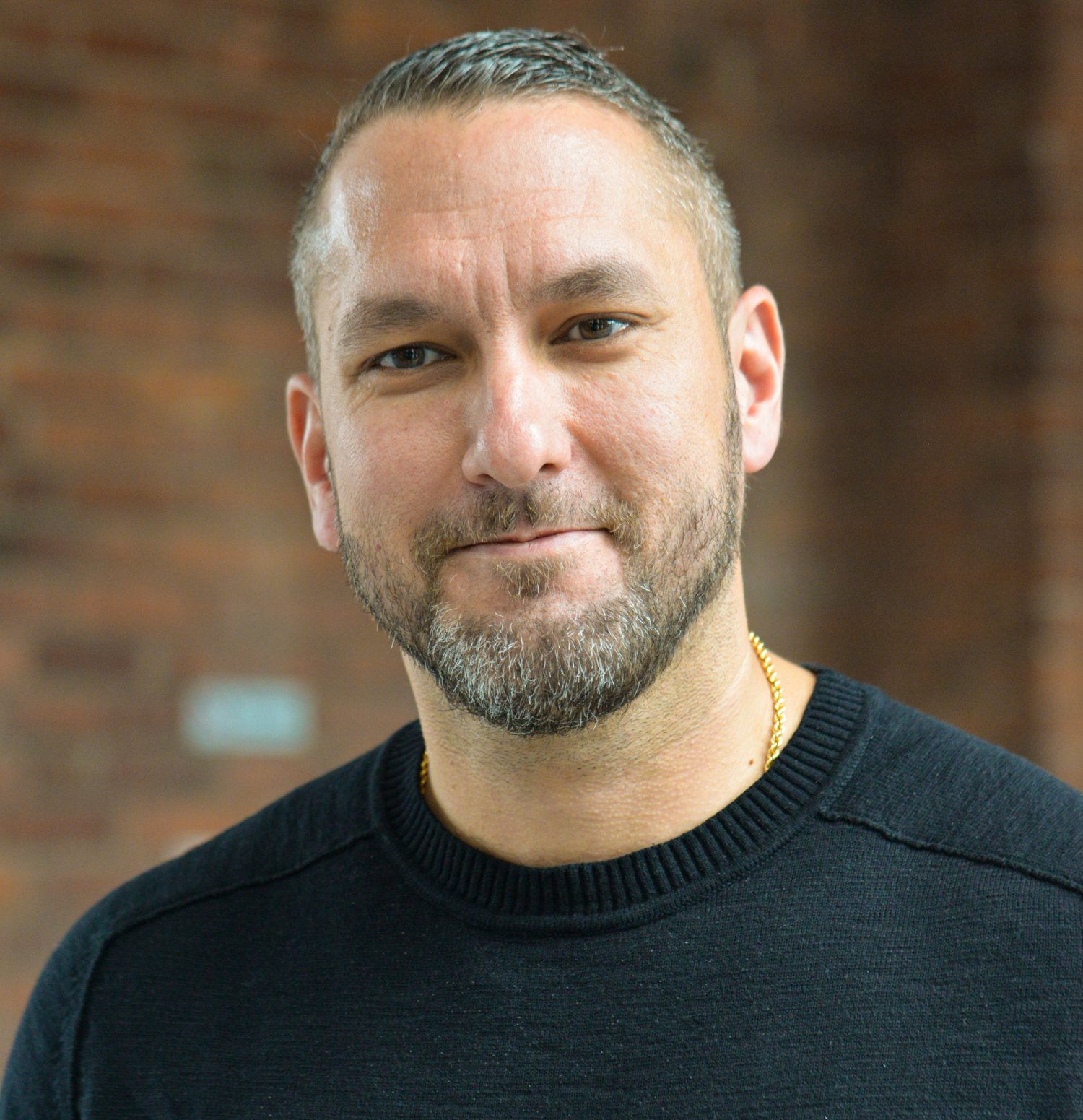
"KI is a leading medical university with good international contacts and a healthy translational environment that makes it possible to go all the way from basic to preclinical and clinical research," he says. "It has vital infrastructure and world-class research groups in the fields on which our cluster is based, especially as regards delivering RNA drugs to the intended part of the body."
RNA-based medical products, like mRNA, siRNA and the CRISPR technology, enable doctors to switch off, activate or edit specific genes, and thereby to treat diseases that drugs were previously unable to reach.
The field is growing quickly and Sweden is well-equipped to develop it, but the resources and knowledge are dispersed, argues Professor El-Andaloussi. The point of the clusters is to bring everything together in one single environment.
"By teaming up with researchers from six other universities, we've collected an unusually complete chain of Swedish talent, from those who understand basic RNA biology to those who build the molecules, devise the delivery systems and develop AI," he says. "There's first-class research here and many of the co-applicants lead European excellence teams."
Intense when disciplines meet
The ability to take discoveries in the lab all the way to completed therapy is safeguarded through the close collaboration with industry. Over a hundred small end medium-sized biotech companies are taking part and investor groups are also showing an interest, says Professor El-Andaloussi, who has barely had time to catch his breath from the application process when we talk.
"It's been really quite intense, but also a lot of fun," he says. "It's not only the fifteen of us principal applicants that have been working with the application, but another 20 or so research group leaders as well. It's when the disciplines meet that the really difficult questions can be identified and attacked in novel ways."
Professor Hellner believes that the application process itself can have had a positive effect.
"It's galvanising: you think in a longer perspective than normal, forge new contacts and think creatively together around your research fields, which can give rise to something you take further even if it's not a cluster of excellence," she explains. "As for KI, we want to make the best of the great work that's been done and present a roadmap with the researchers to ensure that KI remains a strong player in the rapidly developing technological arena."
The decision on which clusters of excellence will be awarded grants will be announced by the end of November.
Text: Sara Nilsson
Translation: Neil Betteridge
The nine applications submitted by KI
Project title: Breakthrough technologies for health
Lead: Professor Jan Ellenberg , Department of Medical Biochemistry and Biophysics
Project title: Cancer compass cluster
Lead: Professor Martin Eklund , Department of Medical Epidemiology and Biostatistics
Project title: Molecular programming
Lead: Professor Björn Högberg , Department of Medical Biochemistry and Biophysics
Project title: ImmunoGen Sweden
Lead: Professor Gunilla Karlsson Hedestam , Department of Microbiology, Tumor and Cell Biology
Project title: Medical functional proteomics cluster (MFPC)
Lead: Professor Pär Nordlund , Department of Oncology-Pathology
Project title: Next-ATMP: A national excellence cluster in ATMP
Lead: Docent Karl-Johan Malmberg , Department of Medicine , Huddinge
Project title: RNA technologies for programmable medicine (SE.CURE-RNA)
Lead: Professor Samir EL Andaloussi, Department of Laboratory Medicine
Project title: Systems infection biology excellence cluster (SIBx)
Lead: Docent Ujjwal Neogi , Department of Laboratory Medicine
Project title: THRIVE-AI
Lead: Researcher Sebastiaan Meijer , Department of Clinical Neuroscience
Swedish Research Council launches call for pioneering research
On 16 June, the Swedish Research Council will launch a new call for proposals: Exploratory grants in pioneering research . Unlike the initiative for clusters of excellence, this is a researcher-led call for project funding. It is aimed at researchers who wish to test new, bold ideas with the potential to lead to scientific breakthroughs.
The purpose of the exploratory grant is to give researchers the opportunity, over a limited period, to test a potentially groundbreaking research idea, and subsequently to enable the most promising projects to be further developed.


