
Pursuing his passion at the intersection of engineering, biology and care, Vijay Sisarwal is developing a plant‑based biodegradable implant coating that helps support natural healing.
Vijay's interest in medical-technologies came from his desire to see research translate into real human impact.
Early in his academic career he became interested in how materials can interact with the human body to actively support healing, leading him towards the study of biodegradable implants and complementary coatings.
Traditional implants often don't break down and therefore require secondary surgeries to be removed. This can lead to complications, including infection. But the materials and coatings Vijay is researching are designed to support the natural healing process and then safely degrade, once their job is done.
"The idea of designing materials that safely degrade within the body while promoting tissue regeneration felt both scientifically challenging and socially meaningful," said Vijay.
"It's this intersection of engineering, biology and patient care that continues to drive my passion."
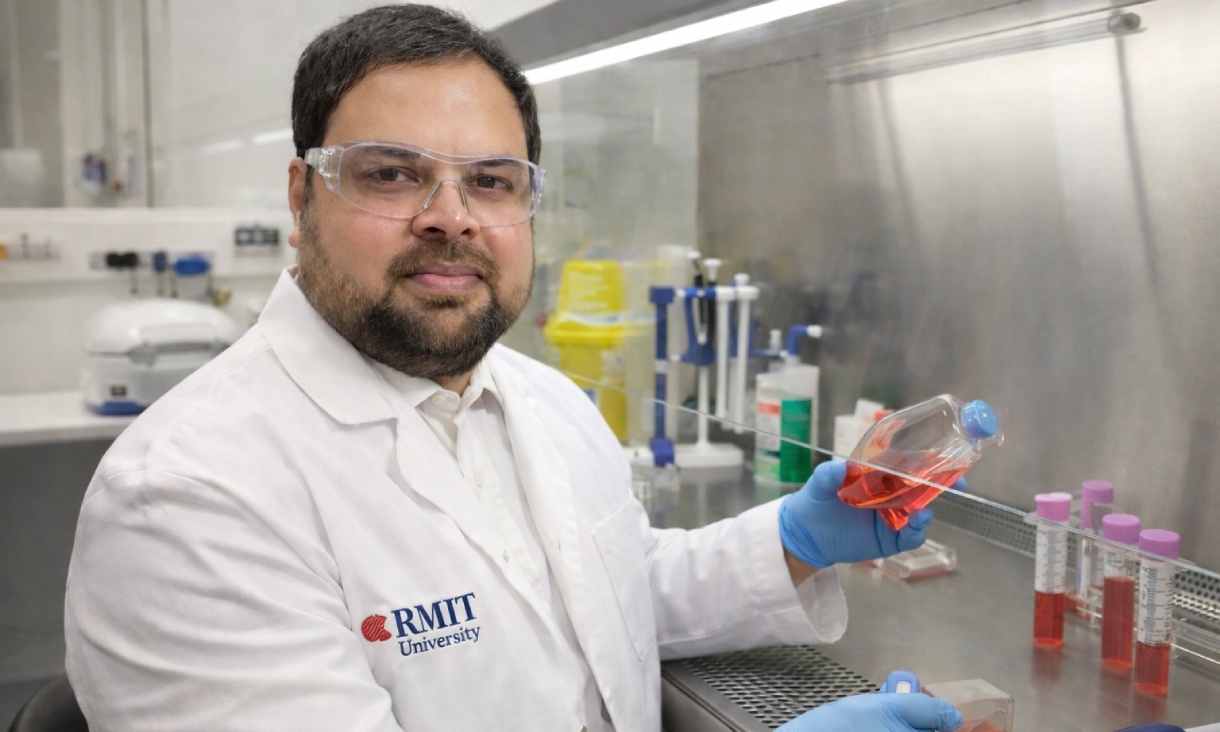 Vijay testing his plant-based coating in a simulated environment.
 Plant-based implant coatings that reduce pain and infection, while enhancing bone-healing
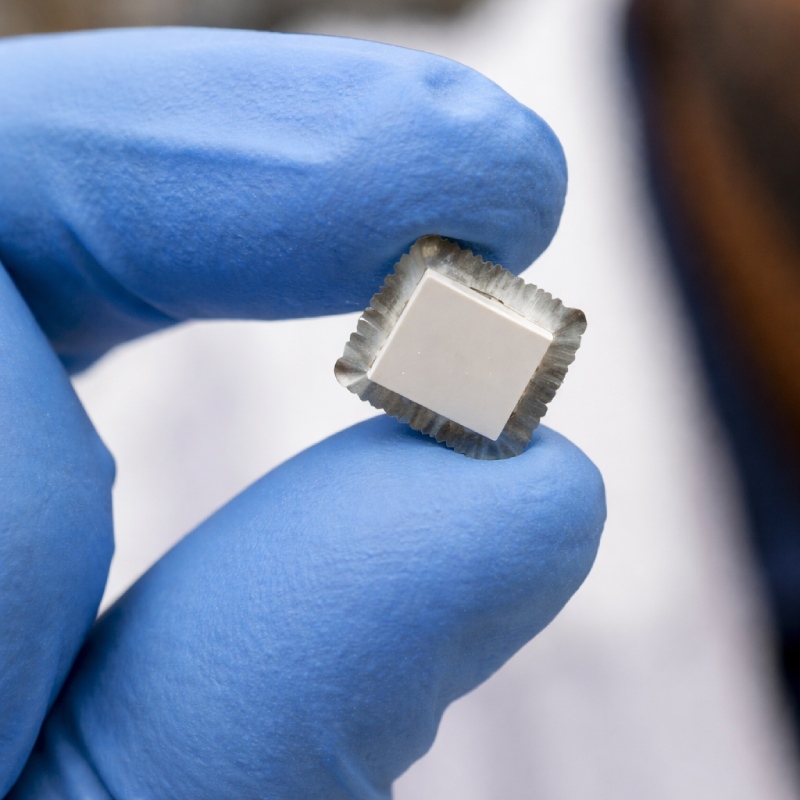
Vijay's PhD research focused on developing and testing a plant-based coating that can be applied to temporary medical implants typically used to treat short-term factures.
Vijay conducted in-vitro testing in a simulated environment, which showed the plant-based coating supported the temporary implant to biodegrade in just three months, faster than can be achieved with zinc-oxide-based coatings, which are currently used for many temporary medical implants.
In addition, the plant-based coating supported bone-healing and reduced bacterial growth, which in turn helped combat infection and pain.
Vijay's PhD research forms the most recent step in his long-term development of a range of biodegradable med-tech materials, including plant-based band aids and sanitary napkins, which he developed in previous research and work.
A research journey of resilience
Originally from India, Vijay moved to Melbourne to commence his PhD at the start of 2020, right as the city entered a 1.5-year lockdown in response to the COVID-19 pandemic.
This meant Vijay had limited access to RMIT's laboratories, a major setback for his primarily experimental research.
"Staying motivated during that first year required discipline. I constantly reminded myself that this phase was temporary, but my long-term goals were not," said Vijay.
"I built a routine, stayed connected with my supervisors virtually and focused on small achievable milestones."
"Research is already a long journey, but the pandemic taught me how to handle delays without losing direction or confidence."
Vijay credits his supervisors for their continued support and motivation, especially during the pandemic.
"Their mentorship shaped my approach to research by teaching me to think critically, stay flexible and focus on long-term impact rather than short term setbacks."
Vijay also appreciated the academic freedom he experienced at RMIT.
"Students are encouraged to question, discuss and contribute ideas freely, which was empowering," said Vijay.
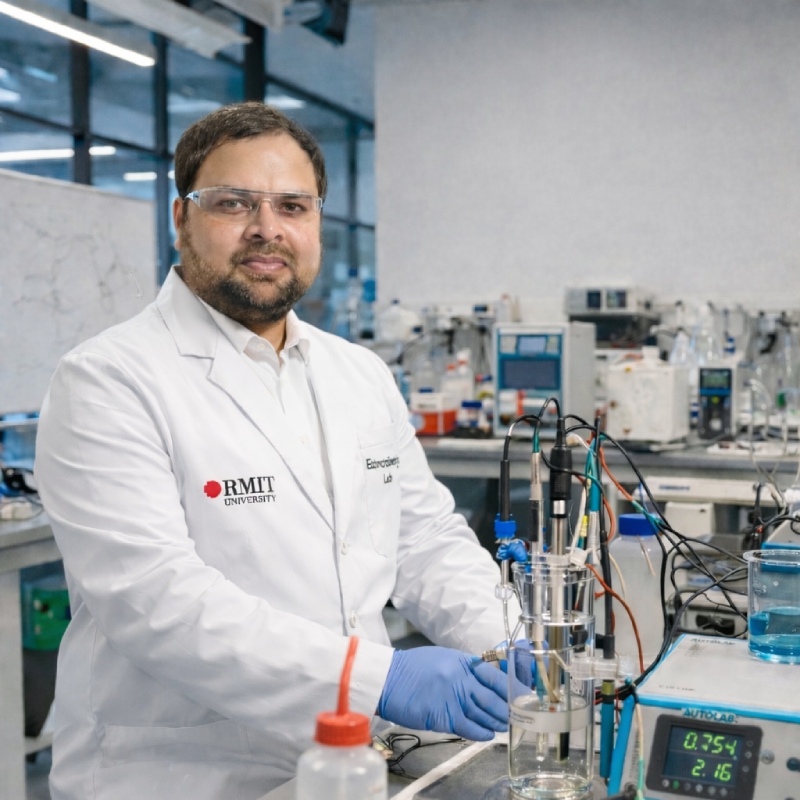 Vijay developing the implant coating in the RMIT Electrochemistry lab.
 What's next?
Vijay plans to continue his research in Australia and pursue post-doctoral work.
He plans to develop his plant-based coating further and hopes to undertake in-vivo studies with animals and then humans to eventually make this product part of everyday healthcare.
"I hope my research contributes to the development of safer, more effective biodegradable implant materials than can improve patient outcomes and reduce the need for additional surgeries."


