
A deportation, a battle, a sexual assault, a crash: Because a traumatic event is unbearable in its horror and intensity, it often exists as memories that are not immediately recognizable as truth. Trauma, as Cornell scholars have been on the forefront of pointing out, is the delay between experiencing something horrific and processing it in the mind and body - with ramifications for individuals, communities and whole societies.
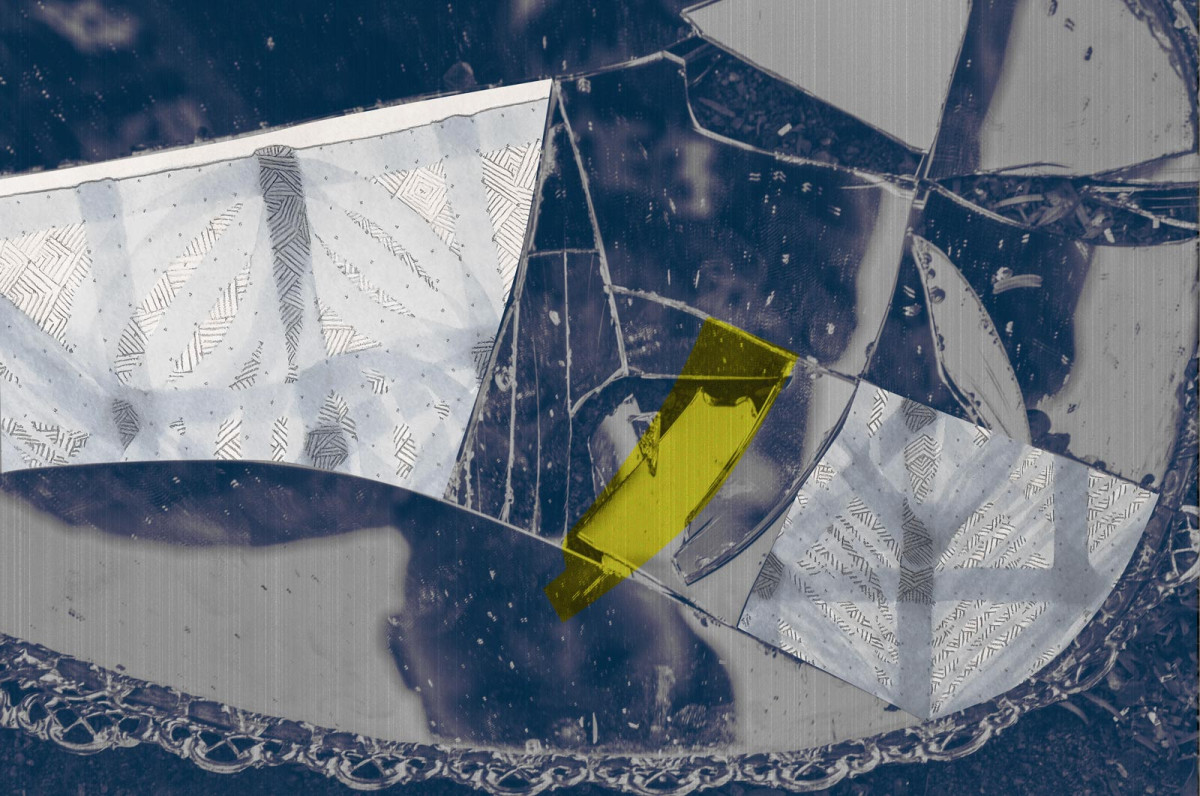
Faculty members in the College of Arts and Sciences approach trauma from many different academic disciplines, including literature, history, archaeology and psychoanalysis, to connect past events with subsequent impacts in the mind, in art, and in the historical record. Their scholarship aims to bring about greater understanding, richer documentation, justice or even - where possible - closure.
Between knowing and not knowing
Cathy Caruth, the Class of 1916 Professor of English in the College of Arts and Sciences (A&S), pioneered the study of trauma in the humanities, an academic field that's exploded in volume and importance in the past 30 years. Since the 1990s, she has been a leader in defining trauma from a literary, theoretical and testimonial perspective and in seeking new modes of bearing witness to trauma and human suffering that are rooted in the academic humanities. This spring, her election to the American Academy of Arts and Sciences recognized her contributions as a leader in the field.
Caruth's 1996 book "Unclaimed Experience: Trauma, Narrative and History" is considered the pathbreaking work that pulled the exploration of trauma into the humanities and founded the field of trauma studies, along with an interdisciplinary collection she edited and introduced in 1995: "Trauma: Explorations in Memory." Johns Hopkins Press issued a 20th anniversary edition of "Unclaimed Experience" in 2016.
Read the full story on the College of Arts and Sciences website.


