
How are human well-being and the health of the natural environment connected? Can the progressive physical impairments caused by multiple sclerosis be halted? How can we ensure that encryption remains secure against attacks by quantum computers? These are just three of the questions being explored in research projects at the Technical University of Munich (TUM) that will receive future funding through ERC Starting Grants from the European Research Council (ERC).
 Astrid Eckert / TUM
 In brief
- Ten new ERC Starting Grants for TUM researchers
- Total number of ERC grants at TUM: 280
- Starting Grants from the European Research Council are funded with up to 1.5 million euros
A total of ten projects led by TUM researchers have been awarded the prestigious ERC Starting Grants in the latest funding round. Since 2007, researchers at TUM have secured 280 ERC Grants. These grants are awarded annually in various categories. Through its Starting Grants, the ERC supports outstanding researchers at the early stages of their independent careers. Each grant is worth up to €1.5 million.
PD Dr. med. Ali Afzali
People with multiple sclerosis (MS) typically experience progressively worsening disability over the course of the disease. Even modern therapies that effectively suppress inflammatory relapses have so far been unable to stop this process. The molecular mechanisms driving it remain incompletely understood. Astrocytes may play a key role in this process. These important supporting cells in the brain and spinal cord supply neurons with nutrients, regulate their sensitive environment, and help contain inflammation. PD Dr. Ali Maisam Afzali hypothesizes that under chronic inflammation, these cells enter a kind of exhaustion state - similar to a person who has been overburdened for a long time - causing them to lose their protective function. Through the AXhaustMS project, Dr. Afzali will use a mouse model and state-of-the-art analytical methods to investigate the changes that occur in exhausted astrocytes and whether these changes can be reversed. In the long term, the findings could pave the way for new treatment strategies that not only suppress the immune response in MS but also restore astrocyte function. Should this principle be confirmed, it could yield new therapies for progressive neurological diseases far beyond MS.
PD Dr. Ali Maisam Afzali is a junior research group leader at the Institute of Experimental Neuroimmunology (ENI) at TUM and senior attending physician at the TUM University Hospital's Department of Neurology .
Dr. Florian Dirnberger
Van der Waals magnetic semiconductors are magnetic, but also function as semiconductors. They contain 'excitons', optical quasiparticles, as well as 'magnons', magnetic excited quasiparticles. In the 'WAVES' project, the researchers are investigating coupled quasiparticles in solids. By combining optical lasers with microwaves and magnetic fields, excitons and magnons can be precisely controlled. The aim is to use a new (stroboscopic) imaging technique to replicate quantum physics experiments and gain a better understanding of exciton transport using ultra-fast microscopy. Using ultra-thin samples, the researchers aim to uncover new relationships among excitons, magnons, and transport phenomena associated with quantum mechanics, and, as part of a holistic approach, to measure both quasiparticles spatially and temporally to detect novel interaction effects. The researchers hope that WAVES will yield new insights at the frontiers of semiconductor physics, magnetism and optics, as well as greater clarity regarding the potential of quasiparticles in solids.
Dr Florian Dirnberger conducts research in the Excitonic Quantum Materials Research Group at the TUM School of Natural Sciences.
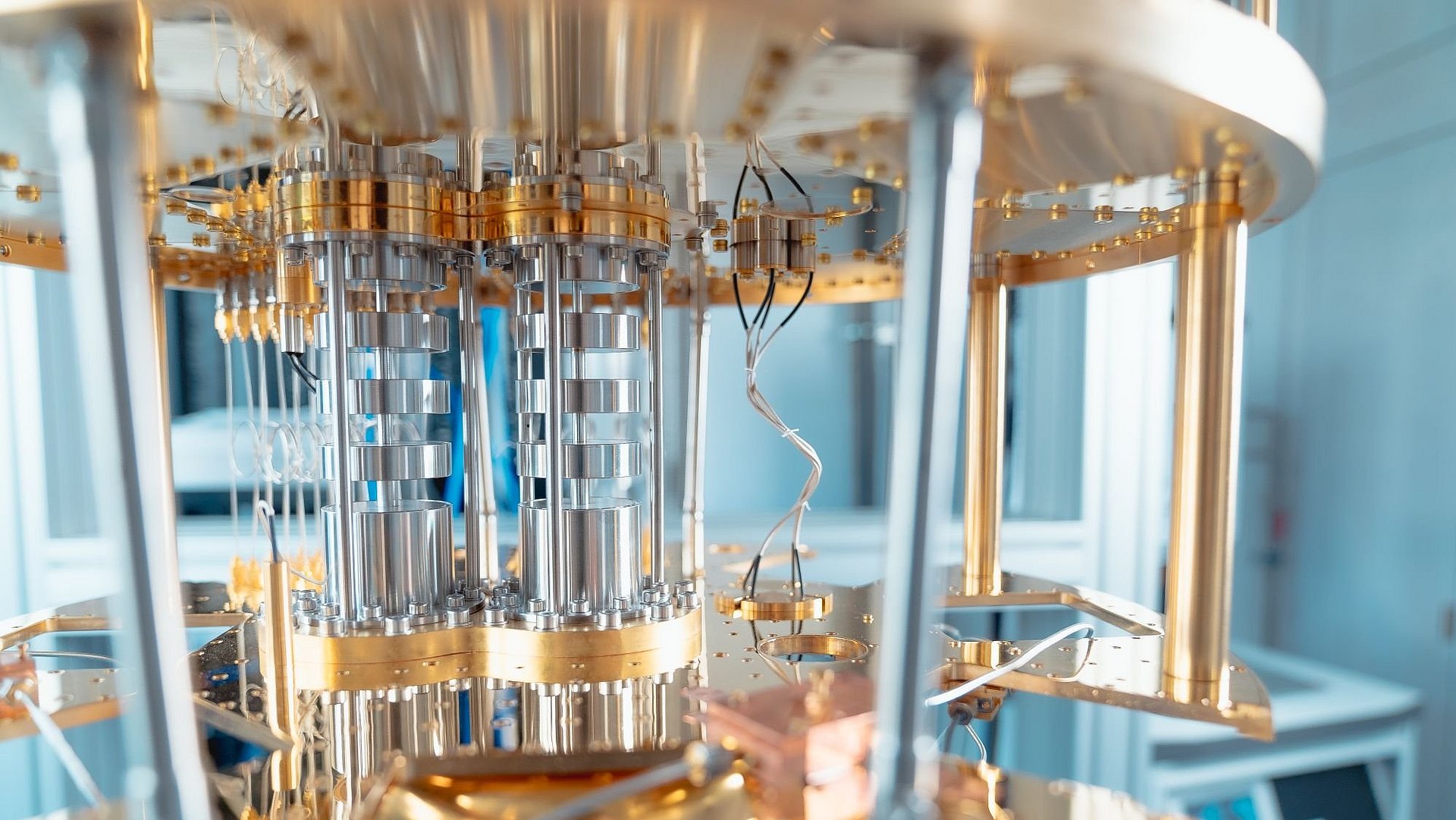
Quantum Technologies
Quantum technologies will transform everyday life in the coming years. We are conducting cutting-edge research in this field. Learn about our most important projects and facilities.
 C. Hohmann / MCQST
 Prof. Dr. Anna Dowbaj
The liver performs numerous essential functions in the body and has a remarkable capacity for regeneration. However, this regenerative capacity declines with age. Why this happens remains unclear. Research to date has focused primarily on changes in epithelial progenitor cells - regenerative liver cells that can be activated in response to tissue damage and contribute to organ repair. Anna Dowbaj proposes that the age-related decline in regeneration is not caused solely by changes within these cells themselves, but also by disrupted communication with their cellular microenvironment - the niche. This microenvironment provides critical signals that guide tissue repair. Dowbaj's hypothesis is that, with age, these signals become faulty or insufficient. In the AgingNiche project, she will test this idea using novel liver organoids. Specifically, she will investigate how the signaling changes during aging, and whether targeted manipulation of specific signaling pathways can restore the liver's regenerative capacity.
Anna Dowbaj is Professor of Integrated Organoid Systems at the TUM School of Life Sciences. She is also a member of the TUM Center of Organoid Systems and Tissue Engineering (COS) .
Prof. Dr. Monika Egerer
When people experience diverse urban nature, both human well-being and biodiversity often benefit. Research also suggests that ecological and psychological resilience are closely linked. Yet we still have only a limited understanding of how these positive interactions between people and nature emerge and under what conditions they can thrive. Through the GardeningResilience project, Monika Egerer aims to explore these relationships in greater depth across different urban environments. The project is built around three key questions: How do different biodiversity-enhancing interventions affect biodiversity, ecosystem functioning, and ecological resilience? How do nature experiences and participation in biodiversity-focused initiatives influence people's sense of connection to nature, mental well-being, and motivation to engage in conservation? And under what conditions do positive feedback loops between biodiversity and human well-being become self-reinforcing?
Monika Egerer is Professor for Urban Productive Ecosystems at the TUM School of Life Sciences.
Dr. Fabian Fischer
Tropical forests are major carbon stores and play a critical role in the global climate system. However, it remains unclear how long they will be able to continue performing this function. Some studies even suggest that, as climate change progresses, they could become a source of carbon rather than a sink. Through the SISOTROP project, Fabian Fischer is developing novel approaches to monitor and predict these carbon stocks and their future dynamics with unprecedented accuracy. To achieve this, he combines high-resolution laser scans with detailed field measurements across 30 tropical research sites, providing the foundation for advanced computer models of forest growth. These digital twins reconstruct forests tree by tree and simulate how they develop under different environmental and climate conditions. In a subsequent step, the project will investigate whether insights from global databases can be used to extend these findings to nearly 2,000 additional tropical forests. The project will provide a robust scientific foundation for monitoring tropical forests and generate valuable insights to support their conservation, sustainable management, and the further development of climate and vegetation models.
Fabian Fischer is a Research Scientist at the Chair of Ecosystem Dynamics an Forest Management at the TUM School of Life Sciences.
Sustainability
We are committed to the sustainable transformation of society in scientific, economic, ecological, and social terms. Get to know our sustainability strategy.
 Andreas Heddergott / TUM
 Prof. Dr. Julian Grünewald
In 2025, for the first time, a bespoke CRISPR gene therapy was developed and successfully administered to a single patient. For gene therapy, this was a kind of "moon landing". But one decisive question remains open: how can gene editing be made scalable - that is, usable for many people? The same applies to inherited diseases of the heart muscle, which affect around 18 million people worldwide. So far, it has not been possible to modify mutated genes directly in the human heart. Even delivering CRISPR tools into the heart is a challenge. In addition, it would be advantageous to correct several different mutations with a single edit, rather than just one. This is what Julian Grünewald sets out to do in his ONE2MANY project - making future gene editing more scalable and therefore accessible to many patients. With his team, he will use AI to develop new gene editing tools and approaches. Applied first to mutations in the LMNA gene, these are designed to correct a whole group of mutations in one go, or to replace the entire gene. To deliver them into the heart, the team will develop new methods based on lipid nanoparticles. In the long term, the aim is scalable treatment approaches and tools that can be transferred to other inherited heart diseases - and beyond.
Julian Grünewald is Professor of Gene Editing at the TUM School of Medicine and Health and leads a research group at the Center for Organoid Systems (COS) and at the Department of Internal Medicine I (Cardiology, Angiology, Pneumology) of the TUM University Hospital Rechts der Isar.
Prof. Dr. Romana Gerner
The gut microbiome plays a central role in regulating the immune system. When this complex community of microbes is disrupted by intensive cancer treatment, immune defenses can be compromised. As a result, some patients fail to develop adequate protection following vaccination. The reasons for this phenomenon remain poorly understood. In the MicroMM project, Romana Gerner investigates these interactions in patients with multiple myeloma, a malignant cancer of the bone marrow. The standard treatment, autologous stem cell transplantation, profoundly alters both the gut microbiome and the immune system. Consequently, all vaccinations must be repeated after treatment, although their effectiveness varies considerably between individuals. Gerner hypothesizes that both the composition of the individual microbiome and the metabolites produced by gut bacteria play key roles in determining how effectively the immune system recovers after therapy. These microbial factors may influence the efficacy of vaccinations and even affect the body's ability to control residual tumor cells. The goal of the project is to unravel these complex interactions and identify new opportunities for targeted therapeutic interventions.
Romana Gerner is a Professor of Clinical Microbiome at the TUM School of Life Sciences. She is also a member of ZIEL, the TUM Institute for Food & Health , and of TranslaTUM , the TUM Center for Translational Cancer Research.
Prof. Dr. Tobias Vogl
Since scattering and absorption are significant only in the lowest 10 km of the atmosphere, satellites could enable long-distance quantum communication in the future. However, satellite-based quantum communication faces certain limitations: The satellites use only weak lasers, which results in a low data rate. In addition, quantum information can only be transmitted at night. The QUCONAT project aims to overcome these hurdles. To this end, the team led by Prof. Tobias Vogl is developing a compact single-photon source that specifically generates individual photons and functions even under space conditions. A special filter is designed to distinguish the quantum signal from sunlight, even in daylight. This will also significantly increase the effective data rate. As a result, smaller satellites could establish secure quantum connections in the future and provide key building blocks for a European quantum internet. Mobile systems for direct connections within cities are also conceivable.
Tobias Vogl is a professor of Quantum Communication System Engineering at the TUM School of Computation, Information, and Technology.
Dr. Felix Sigmund
Cells are constantly changing-but many of these changes remain invisible because current methods can only capture snapshots. While they can show which genes are active in individual cells and where these cells are located within the tissue, changes over time are recorded only indirectly by comparing different samples taken at different points in time. In the process, important information is lost. Dr. Felix Sigmund and his team aim to close this gap with BIO-CACHE. The platform stores biological information at specific points in time directly within the cells. This information can later be retrieved. To achieve this, special capsid structures are used that can encapsulate RNA or proteins and also carry timestamps. This allows molecular changes to be tracked both spatially and temporally. This enables researchers to better investigate developmental processes, disease progression, and complex cellular states. In the long term, BIO-CACHE can contribute to a better understanding of biological systems and the development of new therapeutic approaches.
Dr. Felix Sigmund is a researcher at the Chair of Neurobiological Engineering at the Munich Institute of Biomedical Engineering (MIBE) . He is also a group leader at the Institute for Synthetic Biomedicine at Helmholtz Munich.
Medicine
How do we treat serious diseases like Covid-19, cancer, diabetes or Alzheimer's? Learn more about our research in medicine as well as health and sport sciences.
 Kurt Bauer
 Prof. Dr. Violetta Weger
Quantum computers pose a fundamental challenge to modern cryptography: many of the mathematical problems underlying today's encryption and signature schemes could be solved efficiently by sufficiently powerful quantum computers. New quantum-resistant cryptographic systems are therefore being developed and standardized worldwide. One promising alternative is code-based cryptography, whose security relies on difficult problems from the mathematical theory of error-correcting codes.
In her project CODES - Cryptanalysis Of Decoding, Equivalence and algebraic Structure, Prof. Violetta Weger investigates the mathematical foundations of this security. The project focuses on three fundamental problems: decoding general codes, determining when two codes are equivalent, and detecting hidden algebraic structure. CODES aims to understand more precisely how difficult these problems really are and which mathematical properties can be exploited in cryptographic attacks. By developing new methods at the intersection of algebra, coding theory, and combinatorics, the project seeks to provide a stronger mathematical basis for assessing the security of future post-quantum cryptographic systems.
Violetta Weger is Rudolf Mößbauer Tenure Track Professor of Applied Algebra at the TUM School of Computation, Information and Technology.
Dr. Benedict Probst
Carbon offsetting is based on a simple concept. A company or a country that has difficulty or finds it expensive to cut its own emissions pays for emissions to be avoided or removed elsewhere, such as by protecting a forest in the Amazon. It then counts those avoided tons against its own climate target. The problem is that the product being sold is potentially something that did not happen. Buyers often cannot inspect it, and the evidence increasingly suggests that many credits do not hold up. As part of the COMPASS project, Dr. Benedict Probst aims to use artificial intelligence to continuously examine, on a large scale, whether carbon credits actually deliver the promised climate benefits. In doing so, he intends to identify who develops, audits, rates, and buys credits and which combinations of actors keep producing weak projects. In addition, large language models will examine thousands of project documents and corporate reports, extracting the assumptions behind every claim. Probst also plans to recalculate the claimed mitigation outcomes for various project types and compare thousands of companies' credit purchases with their actual decarbonization. Finally, it will establish whether reform initiatives break up problematic structures, or whether actors who benefit from low standards simply adapt.
Dr. Benedict Probst is a Research Group Leader at the Max Planck Institute for Innovation and Competition. Starting in October, he will hold the Professorship of Net Zero Policies at the TUM Campus Straubing.
Artificial Intelligence
Artificial intelligence is shaping our working lives, research, and the world around us. Learn how we are contributing to this progress by developing innovative AI methods and applications, ranging from robotics to machine learning.
 Andreas Heddergott / TUM


