
Ten percent of pregnant women develop gestational diabetes by the third trimester.
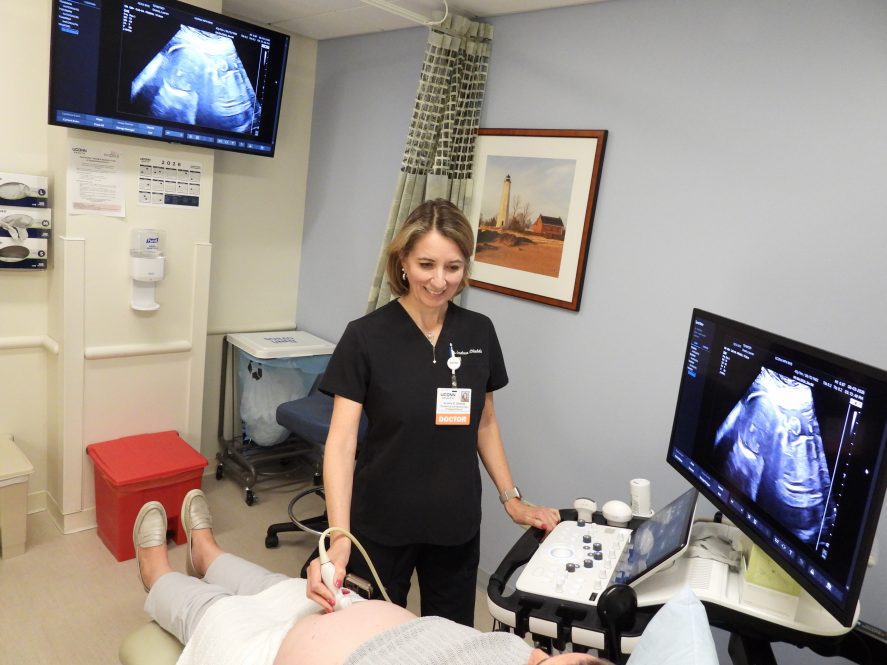
UConn Health maternal-fetal medicine expert Dr. Andrea Shields is principal investigator for an innovative gestational diabetes clinical trial underway at UConn School of Medicine. (UConn Photo)
Maternal-fetal medicine expert Dr. Andrea Shields is principal investigator for a UConn School of Medicine clinical trial testing the start-up company Miora Health's non-invasive diagnostic tool's ability to early detect a pregnant woman's risk of developing gestational diabetes well before the third trimester.
The study of the new tool is exploring the relationship between an expectant mother's microbiome's gut health and her risk of developing gestational diabetes at less than 20 weeks pregnant.
Miora Health is a UConn School of Medicine faculty-affiliated startup company in the Technology Incubation Program (TIP) located in Farmington at UConn Health. Dr. Yanjiao Zhou, an associate professor in the Department of Medicine and OB/GYN, is a co-founder and CSO of Miora Health.
"After 15 years in microbiome research, I am eager to develop microbiome-based tools that can make a real clinical impact. At Miora, we are building a novel microbiome AI platform to bridge the gap between scientific discovery and patient care, helping clinicians identify risk early and guide treatment decisions," says Zhou.

The new test works by screening and analyzing two varied stool samples from willing study volunteers during their first or second trimesters who are active OB/GYN patients at the UConn Health Women's Center. This is done prior to their routine oral glucose tolerance test that occurs typically between pregnancy week 24-28. Women are also asked to complete a food diary and are followed through the end of their second trimester at 28 weeks.
"We are trying to see if this non-invasive test can effectively help us identify a predictive, microbiome biomarker for gestational diabetes well before the third trimester," says Shields sharing this is so important as ten percent of pregnant women develop gestational diabetes by the third trimester.
"Gut health is so important during pregnancy and beyond, and it's all linked to good nutrition," stresses Shields of UConn School of Medicine. "The gut could truly be the window to both our short-term and long-term health."
According to Shields the earlier the detection of gestational diabetes risk the better, as medical experts like her can quickly plan to intervene with personalized medicine, nutrition enhancements, and exercise regimens to significantly improve both maternal health and fetal outcomes, well before any complications develop.
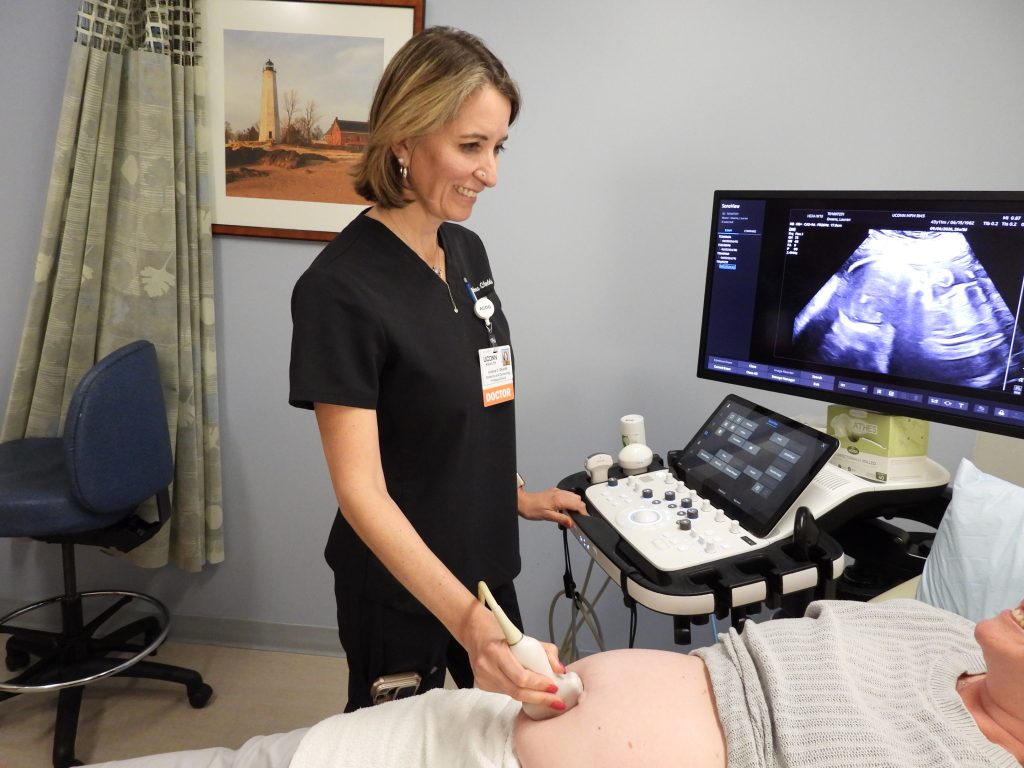
Pregnant women with uncontrolled gestational diabetes are at elevated risk of developing gestational high-blood pressure and preeclampsia, and also as a result may have poorer pregnancy outcomes, pre-term birth, larger babies, delivery complications, and place them at higher-risk of needing a C-section delivery.
"I have always had a passion for reducing the risks associated with gestational diabetes," says Shields ever since she began working closely with OB/GYN patients especially during her residency program training in the U.S. Air Force. "I'm hoping that if we are able to identify gestational diabetes risks early, we can not only improve a mother's health, but also her entire family's by helping her introduce at home a healthier food pathway."
Preventing or catching gestational diabetes early may be a win-win for both mother and child.
Shields says teaching healthy lifestyle interventions for gestational diabetes can even help mom and her baby have reduced future health risks both short and long-term including lower risks of developing type 2 diabetes and obesity.
To learn more, review the clinical trial's flyer


