
With top diplomats gathered at UN Headquarters to review the 1970 Treaty on the Non-Proliferation of Nuclear Weapons (NPT), the UN Secretary-General warned that it must evolve to survive the age of AI and other new technologies.
For the first time in decades, the number of nuclear warheads is on the rise. Nuclear testing is back on the table and global military spending jumped to $2.7 trillion in 2025.
Addressing the General Assembly, António Guterres said the cornerstone of efforts to eliminate nuclear weapons has been eroding, with commitments unfulfilled and trust and credibility wearing thin. "We need to breathe life into the Treaty once more," he declared.
Today's nuclear threat is compounded by new dangers from rapidly evolving technologies such as artificial intelligence and quantum computing, he added.
Reflecting concerns about the growing use of AI in military conflicts, Mr. Guterres reiterated the UN view that until nuclear weapons are eliminated, humanity must never cede control over them.
'The path is less certain'
The Secretary-General's warnings were echoed by the President of the latest NPT Review, Do Hung Viet, the Permanent Representative of Viet Nam, who was elected on Monday by acclamation.
Mr. Viet acknowledged the important role the treaty plays in preventing nuclear weapons use over the past five decades, and that of the review conferences - which, apart from postponements due to the COVID-19 pandemic, have been held every five years - as a "point of reference for where we stand and where we must go."
That path is becoming less certain, he said, as military spending reaches new record highs each year and nuclear arsenals grow.
"A world without the NPT," he continued, "is a world where the taboo against nuclear weapons erodes further. This is not a prospect we want for ourselves or our children."
Briefing journalists in New York, Mr. Viet warned that, whilst the Treaty has helped prevent the spread of nuclear weapons since 1970, its relevance and credibility are now under threat.
"This is not just another conference," he declared. The stakes are very high because the danger of a nuclear war is seen and felt much more concretely these days. A nuclear arms race is looming."
The Vietnamese diplomat recalled that the two previous Review Conferences (in 2022 and 2015) failed to reach consensus, and he called on delegates to work constructively to find an agreement this time around.
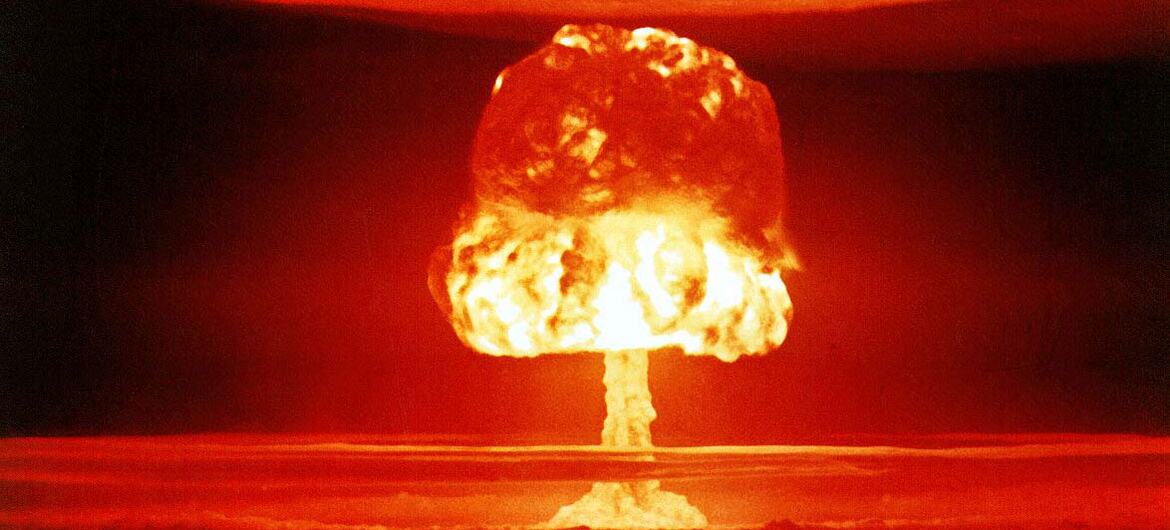
Iran conflict casts long shadow
Before the conference could get underway, diplomats heard objections to Iran's candidacy for the position of Vice-President of the General Committee.
The United States delegate said the move was an "affront to the NPT" and argued Iran had violated the Treaty in the ways it has advanced its nuclear programme.
The US denied that Tehran could be seen as a leader on non-proliferation. Objections were also raised by Australia, the UK (also speaking on behalf of France and Germany) and the United Arab Emirates.
However, Russia's representative described the US intervention as an attempt to politicise the conference from the outset and called on delegations with criticisms to express them during general debate.
The Iranian delegate countered the objections by describing them as "baseless and devoid of any credibility," and an attempt to manipulate the conference.
"The United States," he said, is the only state that has used nuclear weapons, and continues to expand its arsenal in violation of its NPT obligations.
Mr. Viet explained during his press briefing that Iran was nominated to the position by the Non-Aligned Movement bloc several months ago, and that concerns were only raised in the last few days.
To maintain consensus on the matter, Mr. Viet said that countries objecting to the Iran candidacy agreed to formally disassociate themselves from the decision, rather than call for a vote.
The 11th review of the NPT takes place at UN Headquarters from 27 April to 22 May. Sessions will be broadcast live on UN WebTV .


