
Despite my best efforts to buy local, seasonal food, I have two non-negotiable vices: coffee and dark chocolate. Not a single day goes by, without me knocking back a shot of espresso and devouring a few squares of 90% dark chocolate.
Lately, though, my daily ritual feels less like a simple routine and more like an expensive indulgence. And I'm sure I'm not the only one who experiences it. If you buy food at a grocery store rather than growing it yourself, you have almost certainly felt the pinch of rising prices.

A recent analysis by the Energy and Climate Intelligence Unit (ECIU) highlights that in the UK, for example, food prices could be 50% higher than 2021 by November 2026. Globally, the outlook is as gloomy as in the UK. Oxford Economics forecasts food prices could rise up to 11.8% in 2026 and even additional 4.8% in 2027.
Before food hits grocery store shelves, its price is set in global trading markets. When wholesale prices jump for raw crops like wheat, sugar, soybeans, and corn, higher prices at the checkout counter are guaranteed to follow. Cereals commodity prices rose 17% in one year, while sugar commodity prices increased almost 15%.
Why is food getting so expensive?
World Food Day's theme this year reminds us how to "innovate today to nourish tomorrow", but we should also think about how to nourish people with healthy and affordable food right now. Our modern food system is very fragile. It relies on a long, vulnerable chain of supply that breaks easily when global shocks hit.
These three main drivers are pushing prices up:
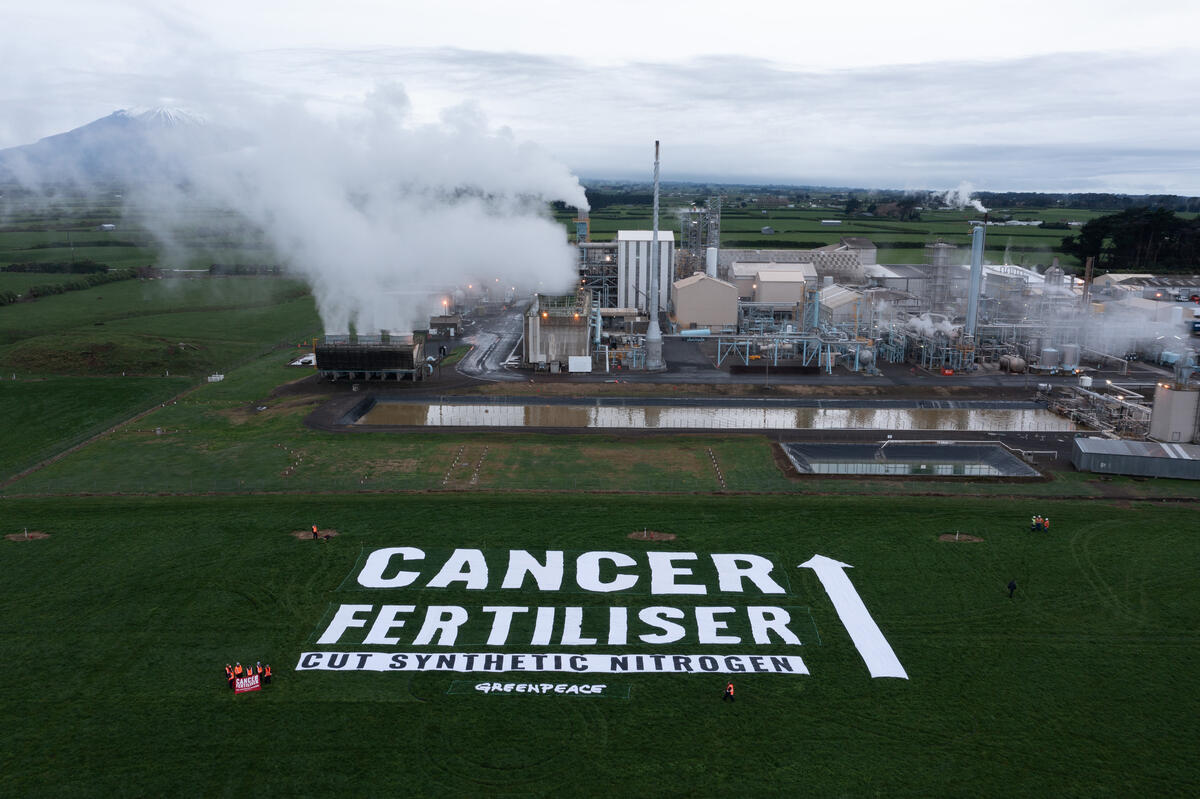
- Fossil fuel dependence: Industrial farming relies heavily on oil and gas to run tractors, make plastic packaging, and manufacture chemical fertilisers. When the prices of oil and gas go up, the cost of growing food skyrockets.
- Extreme weather: Climate change and severe weather events, like El Niño, bring record breaking heatwaves, devastating droughts, and sudden flooding. When bad weather destroys entire harvests, food becomes scarcer and pricier.
- Geopolitical disruptions: Wars and blockades in major trading hubs, such as key shipping routes in the Black Sea or the Strait of Hormuz, hold back critical exports of grain and sunflower oil, squeezing global supplies.
Who loses the most?
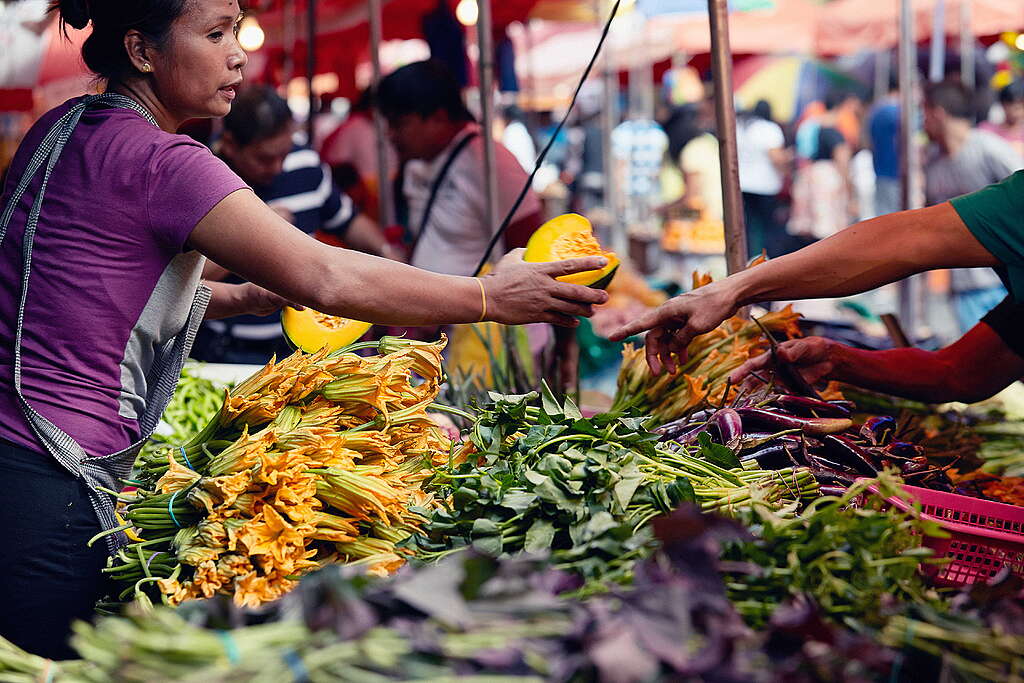
Families spend around 20% of their income on food. In low income countries, this even reaches between 40% and 60%. This means food inflation affects people very differently depending on where they live.
For millions of families around the world, this translates directly to skipping meals and, in extreme cases, acute hunger. For others, it means buying basic groceries on credit cards, Buy Now Pay Later (BNPL) schemes, or bank overdrafts.
Who profits from food prices going up?
While regular families struggle to afford basic groceries, giant corporations and financial traders are making record profits. Fossil fuel giants, chemical fertilizer companies, and massive food trading monopolies are pocketing historic revenues off the back of this crisis. At the same time, financial speculators bet on the future prices of food crops. This market speculation inflates costs artificially, benefiting wealthy investors while everyday people and hardworking farmers pay the price.
How do we fix this food crisis?
We do not have to settle for a broken, crisis-prone food system. A more resilient and more natural solution already exists: agroecology.
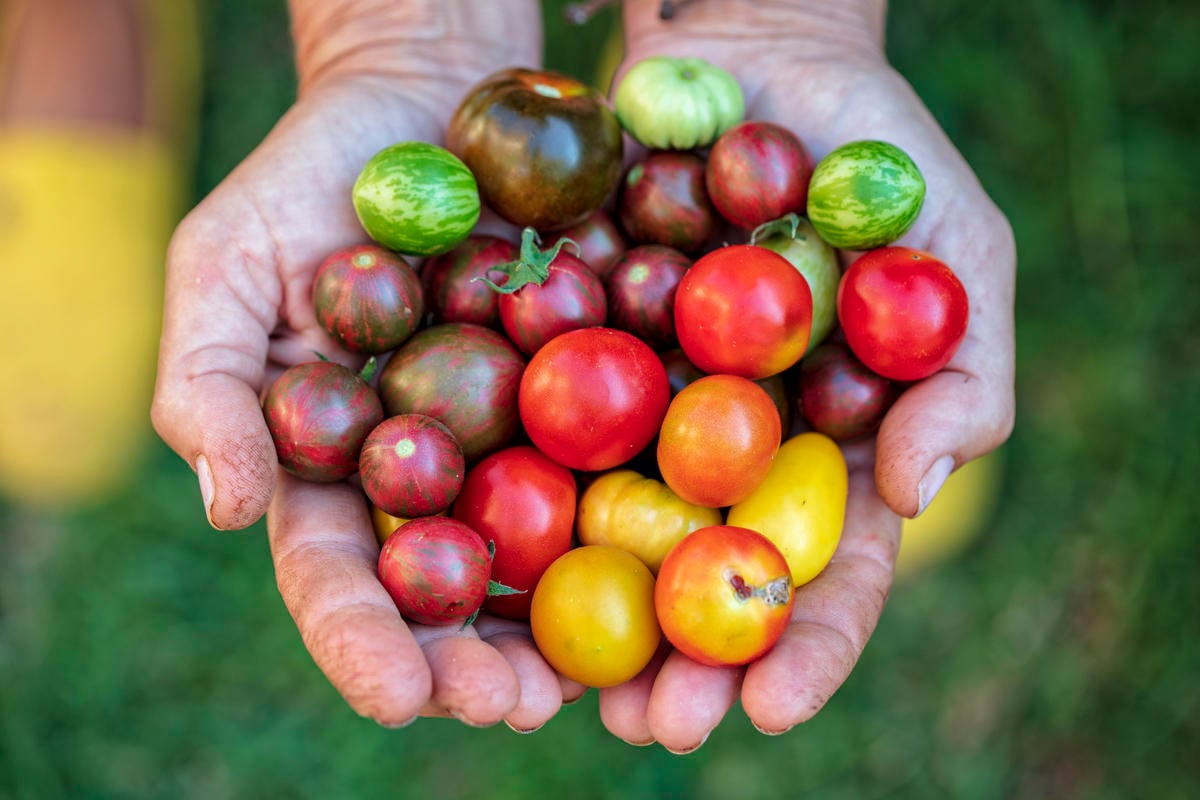
Agroecology is a way of farming that works with nature rather than relying on synthetic chemicals. Instead of planting hundreds of acres with just one crop-which can be completely wiped out by a single storm-agroecological farmers grow a diverse mix of plants. If extreme heat kills one crop, others survive to provide a harvest. It replaces industrial factory farming with smaller farms, where fewer animals and crops live together.
We are not powerless. By raising our voices, we can build a fairer, more affordable food system:
- Demand government action: We can push leaders to lower taxes and offer subsidies on local, organic, and plant-based foods to make healthy eating immediately affordable. Long term, policy needs to fund farmers as they transition toward agroecology.
- Vote with our wallet: Shift the market today by buying local and seasonal foods, shopping at farmers' markets, and incorporating more plant-based meals into our routine.
When millions of us take action together, governments and corporations cannot ignore the demand for affordable food and a healthy planet. With the right food policies, we can afford basic food, and can even keep enjoying our beloved foods without breaking the bank.
Alessandro Saccoccio is a co-project leader at Greenpeace International


