
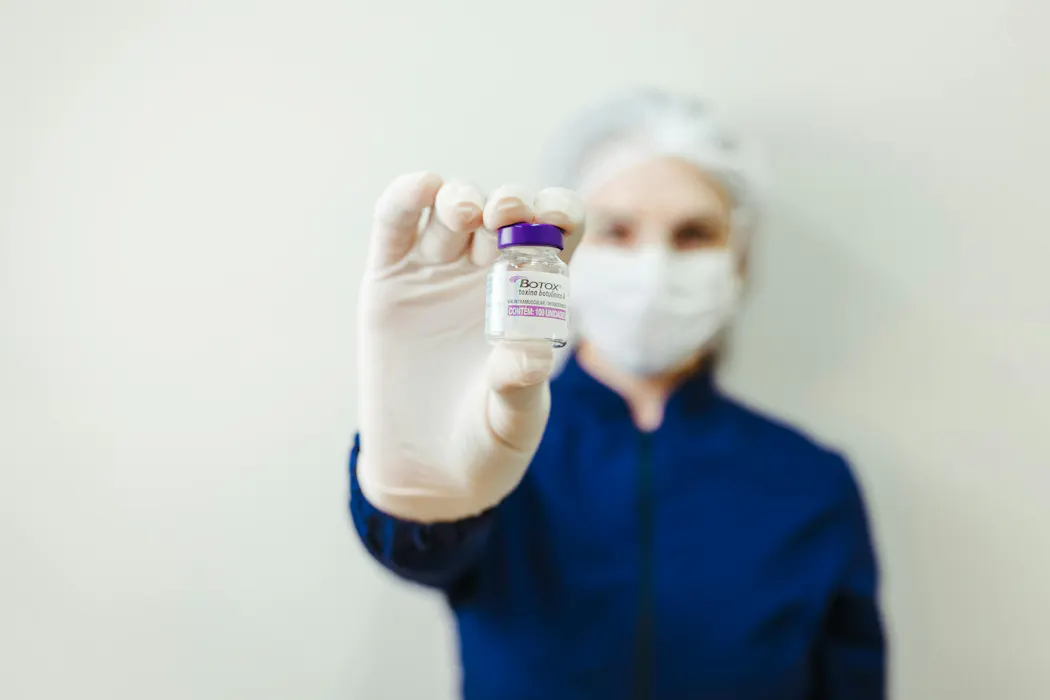
There's now a vast, rapidly expanding global trade in counterfeit goods: imitation clothes, shoes and electronics , and even fake cosmetics and pharmaceuticals .
Some fake products can pose serious health risks to unsuspecting buyers.
Health authorities have warned consumers to "exercise extreme caution when buying medicines and medical devices online". These include counterfeit weight-loss products falsely claiming to contain prescription medicine and counterfeit Botox vials .
Testing has found counterfeit sunscreens that lack any UV filter, offering no protection against skin damage.
A recent report tracked customs seizures from around the world. It estimated the counterfeit trade has grown to about US$467 billion in 2021. That's around 2.3% of total global imports.
However, the counterfeit market's true scale is likely far greater, given its opaque, often illicit nature.
Some consumers actually choose to buy counterfeit goods. But it's risky. To avoid being ripped off, here's what companies and consumers can do.
How fake goods have boomed with online shopping
A major driver behind the growth of counterfeiting is the rapid expansion of online shopping platforms . These have significantly lowered barriers for counterfeiters to reach global audiences, increasing consumer exposure to fraudulent goods.
Popular secondhand marketplaces, such as Facebook Marketplace, eBay and Craigslist, further complicate the issue.
Counterfeit items are frequently sold as genuine, pre-owned goods. This has made detection more difficult and increased the risk of consumers falling prey to deceptive practices .
Why some shoppers actually want to buy fakes
While some consumers fall victim to counterfeit goods unknowingly, others actively seek them out.
Rising prices, perceived declines in product quality, and limited availability of genuine goods have led some consumers to view counterfeits as offering better value for money.
Online communities dedicated to helping people source high-quality replicas have grown in popularity, often driven by dissatisfaction with legitimate markets.
Creating demand with artificial scarcity
Certain brand strategies unintentionally contribute to the growth of counterfeit markets.
" Artificial scarcity ", created through limited releases and distribution, or tightly controlled supply, deliberately restricts access to genuine products. Luxury watchmaker Rolex has been a classic example of this.
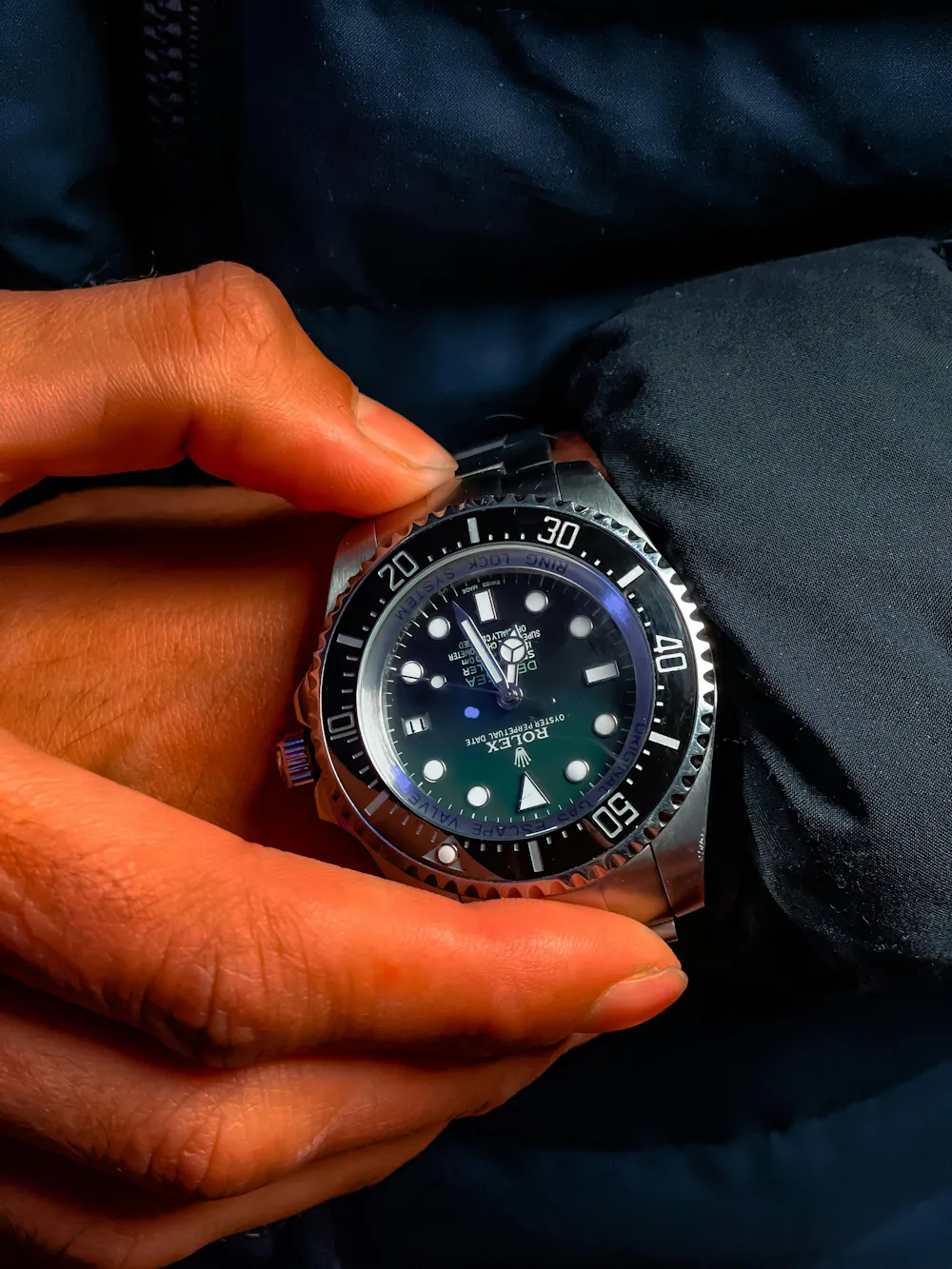
Rolex relies on customers having to buy through exclusive, authorised dealer networks . If you want a particular, hard-to-get watch, you may face long waits, or be encouraged to buy other items first .
Similarly, brands such as US clothing maker Supreme have used a limited release strategy , where small quantities are made available for a limited time.
While this approach arguably maintains a prestigious brand image, these strategies result in products selling out instantly. This can push consumers towards resale markets or counterfeit alternatives.
Swiss watchmakers ( including Rolex ) and Supreme have ranked among the most in-demand brands for counterfeits within the past decade. For instance, fake Swiss watches alone were estimated to be worth US$1.88 billion in 2021.
How to beat the pirates
Improving product availability can significantly reduce counterfeiting while increasing legitimate sales.
US video game maker Valve 's cofounder Gabe Newell has described digital piracy as a service quality problem, rather than a pricing one:
The easiest way to stop piracy is not by putting anti-piracy technology to work. It's by giving those people a service that's better than what they're receiving from the pirates.
By expanding global access to its digital distribution platform, Valve was able to reduce piracy rates and become a market-leading platform.
A decade ago, the rise of streaming services like Netflix made your favourite movies and TV shows easier to access. Piracy actually dropped in many countries .
However, this trend has reversed over time as streaming has become increasingly fragmented and expensive. This is forcing frustrated viewers to pay more for multiple subscriptions - or turn to illegal sites .
Shoppers mostly prefer the real deal
Research indicates that, when given the option, a substantial proportion of consumers prefer genuine goods.
Past estimates suggest that between 46% and 100% of consumers would choose authentic products if they were readily available.
This preference is particularly strong in high-risk categories: up to 100% of consumers would opt for genuine pharmaceuticals, and as many as 95% would choose authentic beverages such as wine.
What companies and consumers can do
Brands that are regularly being ripped off can tackle counterfeiting by making it easier for consumers to buy genuine products.
This includes rethinking practices such as artificial scarcity, restrictive distribution and prolonged wait-lists that can unintentionally drive demand toward resale or counterfeit markets.
Rolex, for example, has introduced a certified pre-owned market to help alleviate scarcity.
Similarly, Nike invested heavily in a direct-to-consumer sales model, making its products more easily available.
But consumers need to be aware of the growing risks of counterfeit goods, especially when purchasing from online resale platforms.
Warning signs that something may be a fake product, disguised as genuine, include:
- unusually low prices
- lack of verifiable seller information
- blurry images
- or inconsistent product details.
Where possible, buying from official or authorised retailers reduces risk -especially for products with potential health and safety implications such as cosmetics, pharmaceuticals and food items.

Gediminas Lipnickas does not work for, consult, own shares in or receive funding from any company or organisation that would benefit from this article, and has disclosed no relevant affiliations beyond their academic appointment.


