
Egypt serves as a strategic gateway to Africa and the Middle East. For that reasons, Luc Sels, President of the Executive Board and a delegation visited the Netherlands-Flemish Institute in Cairo (NVIC) at the end of April. This resulted in new agreements on research and student exchanges.
A key motivation for the visit was Egypt's distinctive position within the European research landscape, said Sels. 'Egypt is fully associated with the Horizon Europe research programme. It is a crucial partner for research universities: as a research partner, as a gateway to Africa and as a hub in the Middle East. It is this combination that makes collaboration so worthwhile.'
Egypt's appeal extends well beyond traditional fields such as archaeology and Middle Eastern studies. It also offers a springboard for broader, multidisciplinary collaboration across Europe. During the visit, the delegation met with ambassadors from the Netherlands and Belgium, as well as science attachés from Germany, Italy and Spain, to discuss strengthening cooperation between the two regions.
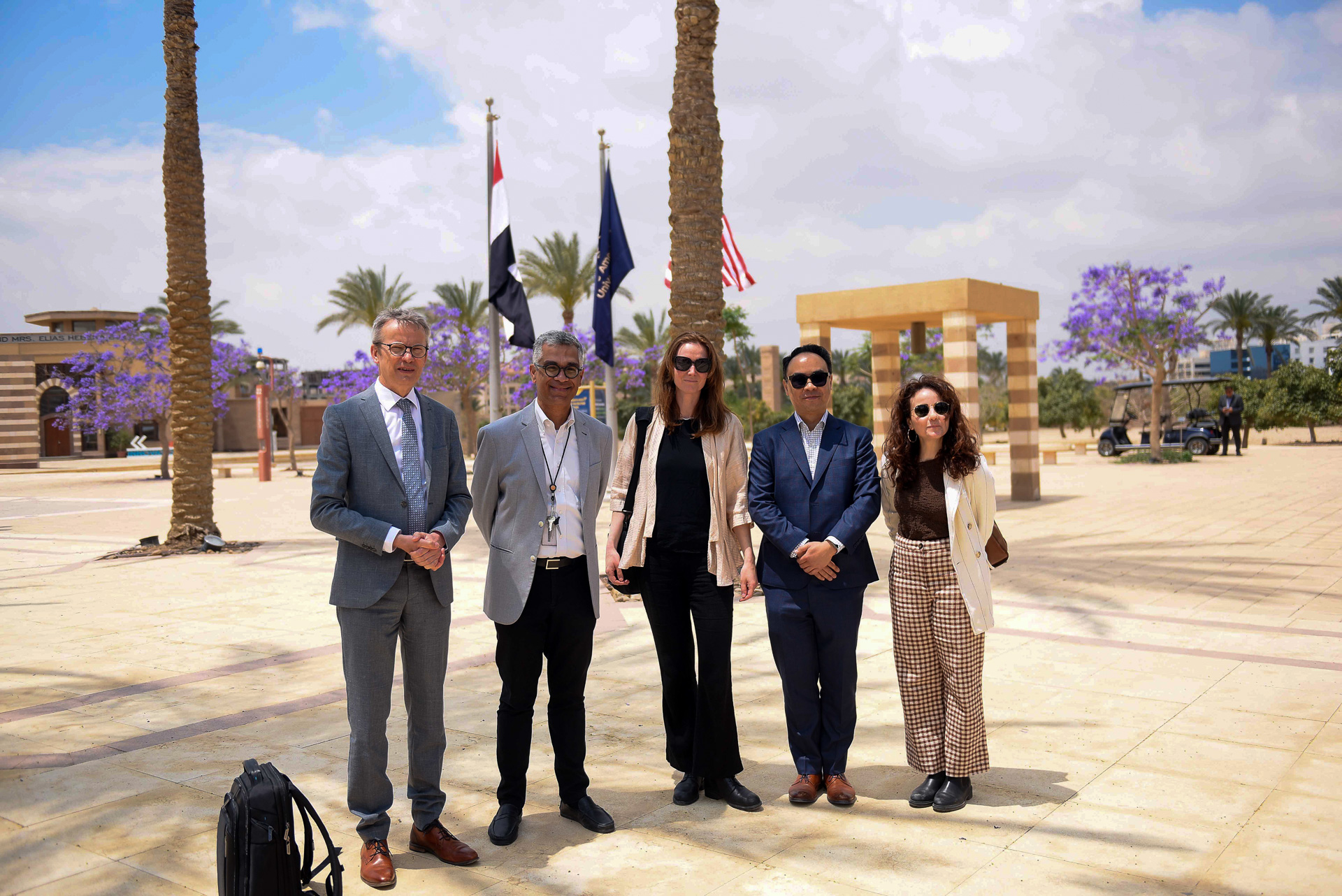
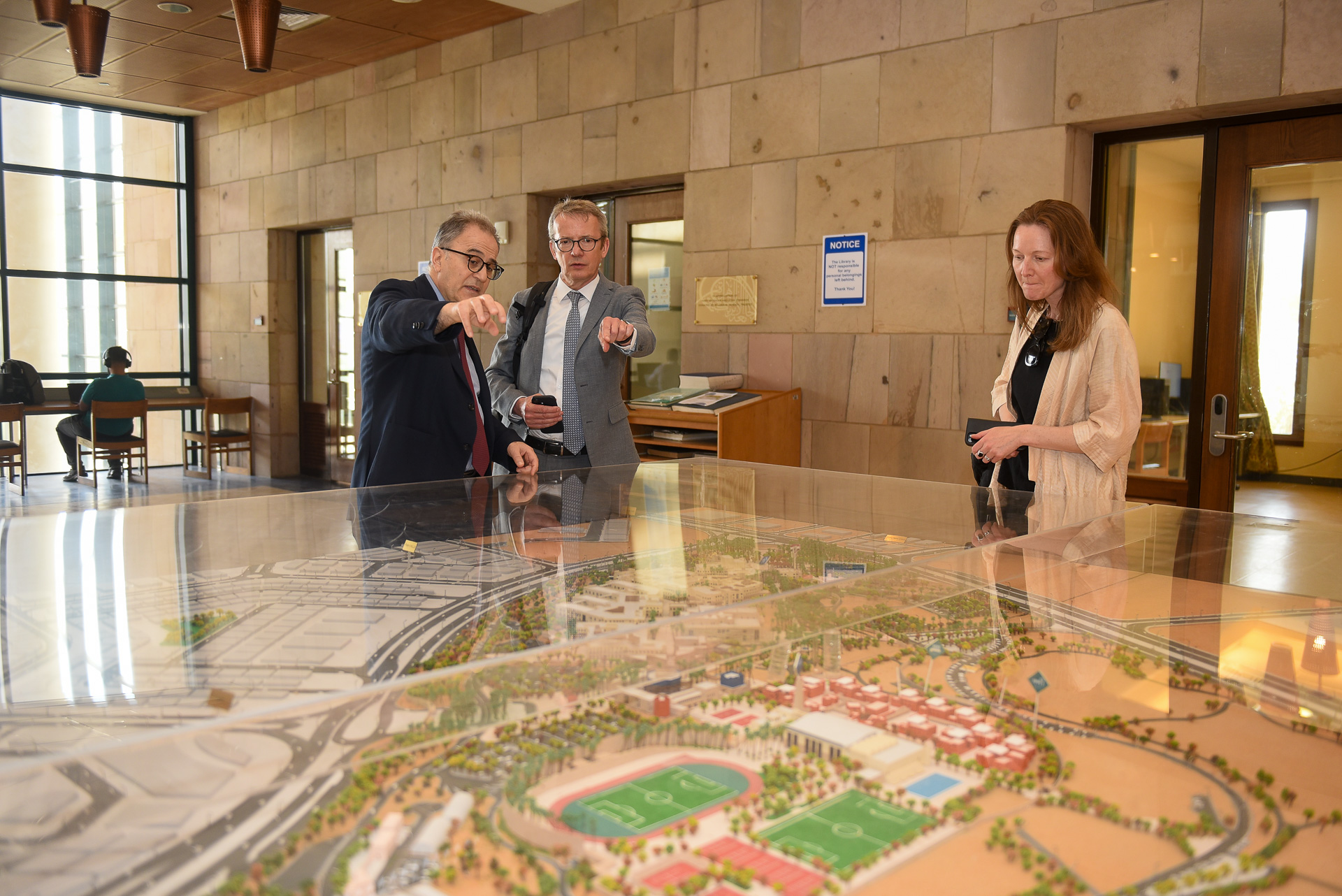
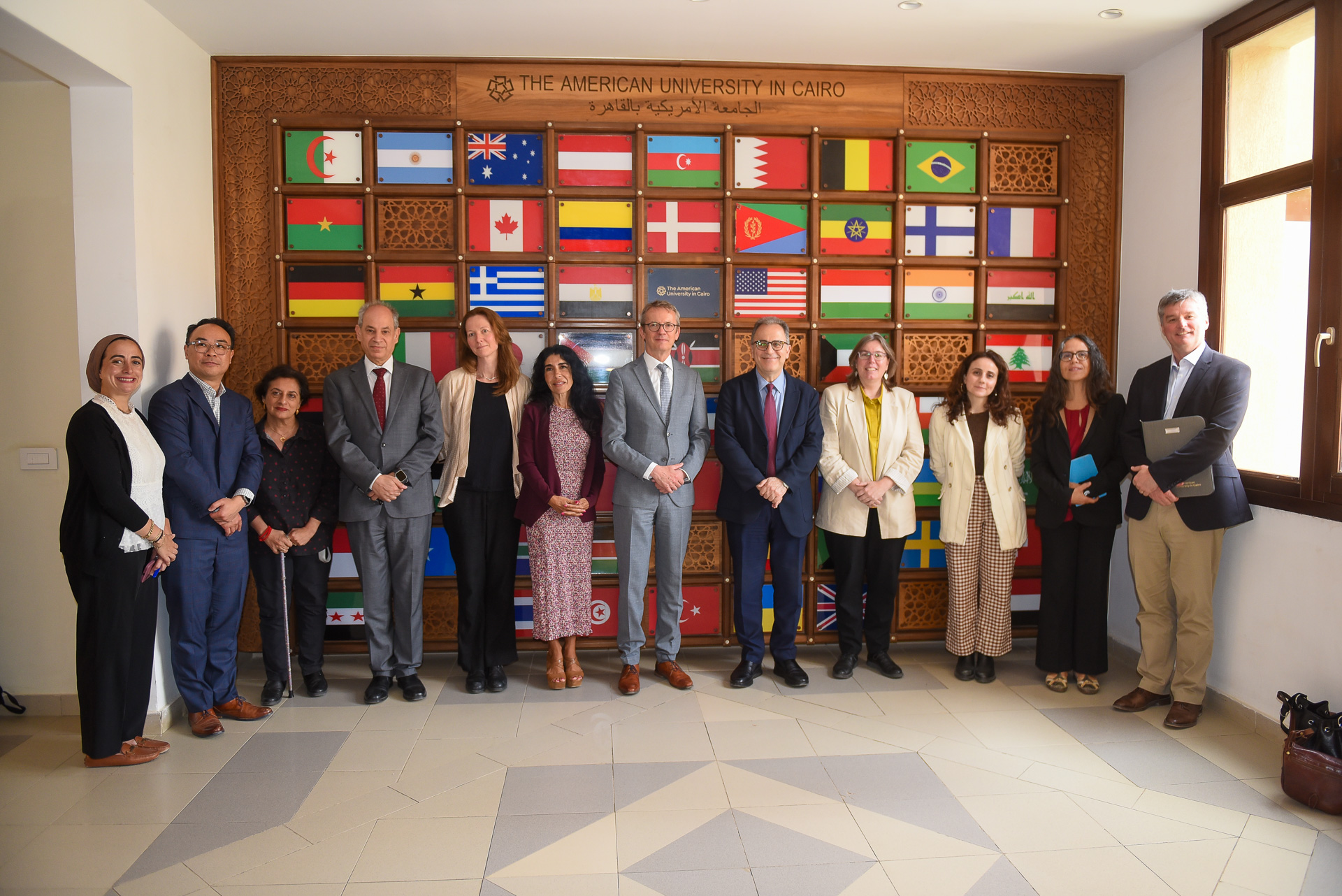
Agreements with Egyptian universities
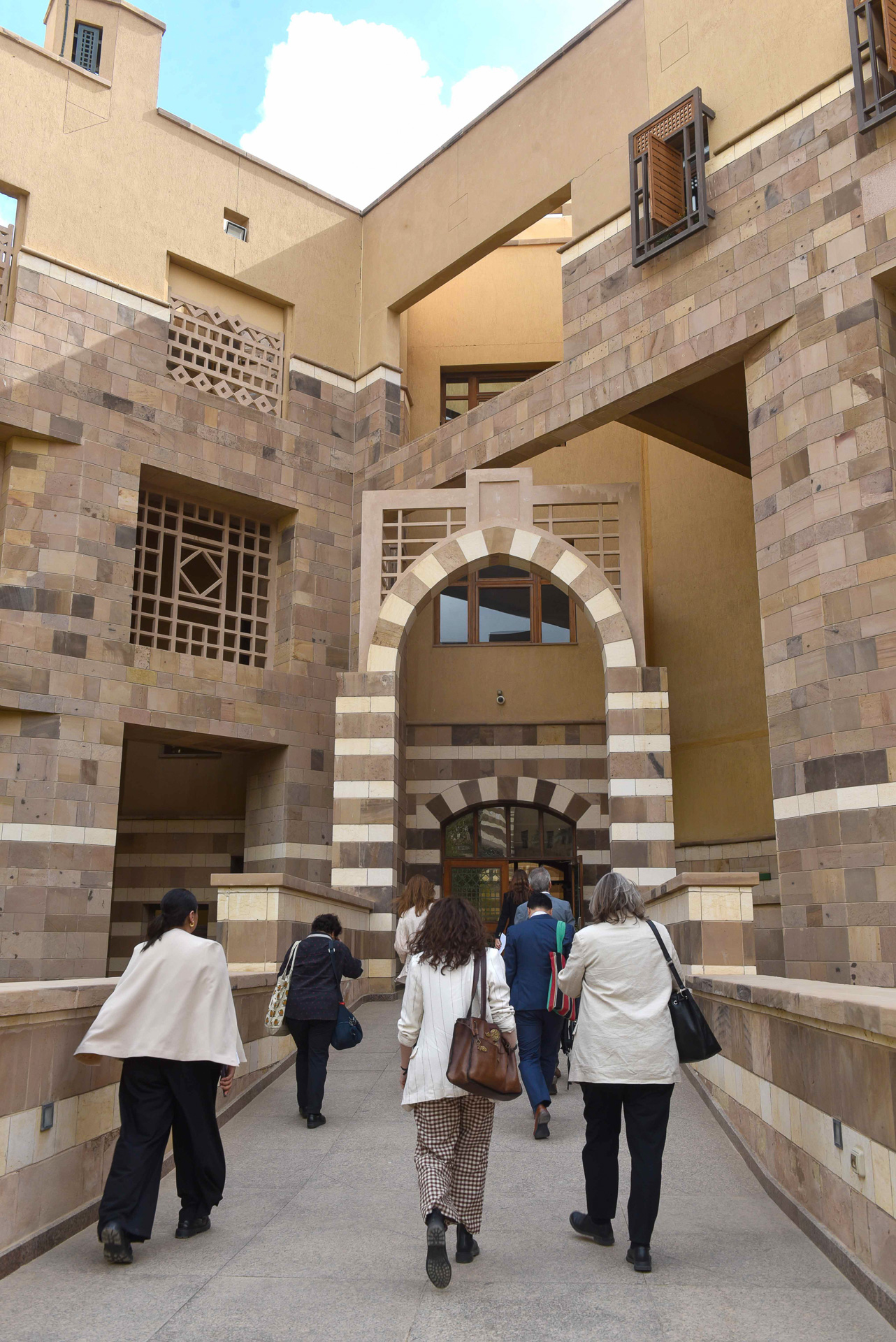
At Cairo University, the delegation reached agreements on student exchanges, joint teaching initiatives and participation in Horizon Europe consortia. With some 260,000 students, Cairo University is one of the largest universities in Africa and the Middle East. The programme also included a visit to the American University in Cairo, with discussions on expanding student exchanges and deeping collaboration across research fields.
Meetings with ministries
The delegation also met with representatives of Egypt's Ministry of Higher Education and Scientific Research to explore partnerships with Egyptian research institutions. Talks with the Ministry of Tourism and Antiquities centred on opportunities for joint projects at archaeological sites in Egypt.
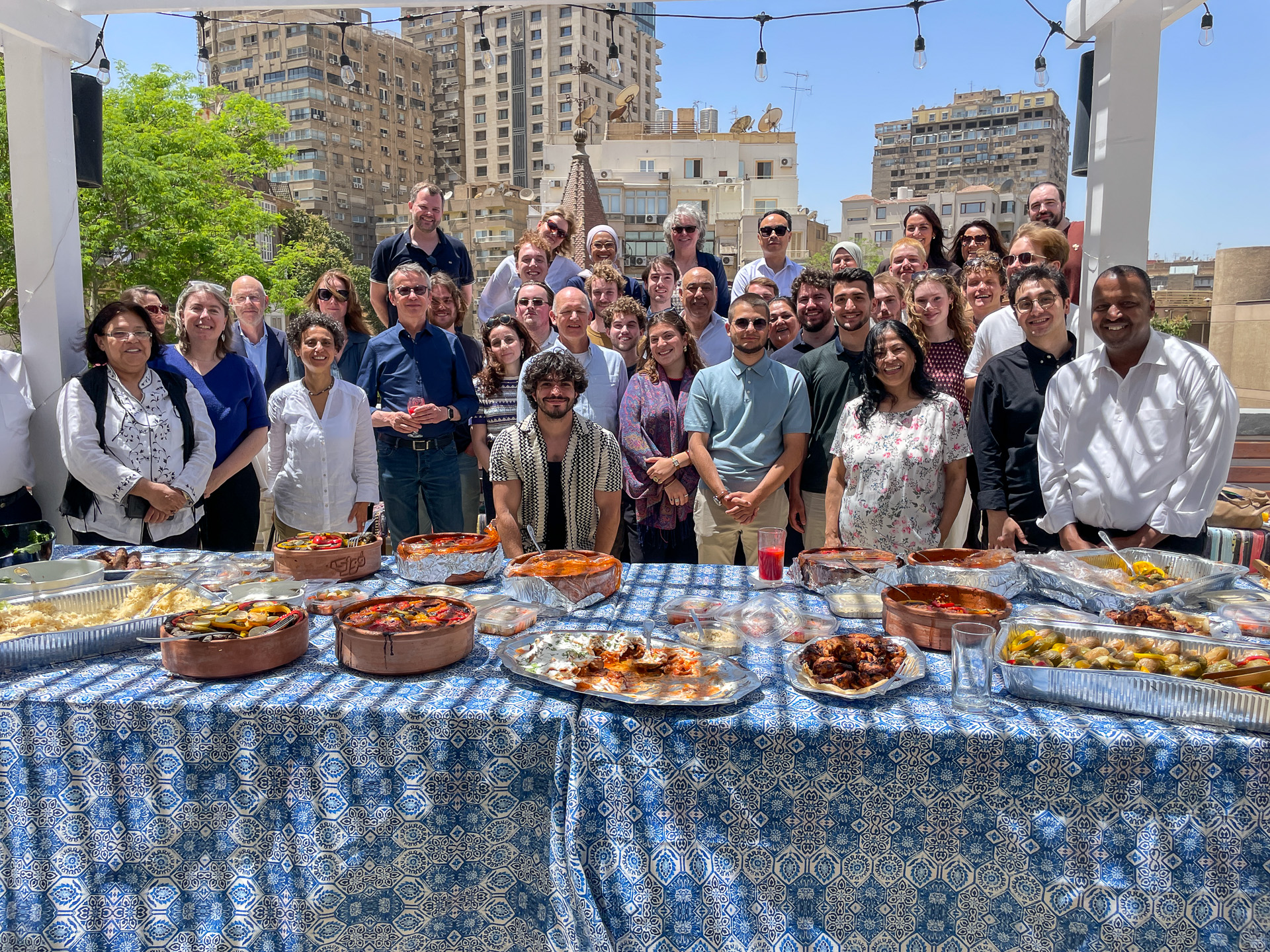
Representatives of the university institutes in Cairo, Nairobi, Rabat, Jakarta and Instanbul. 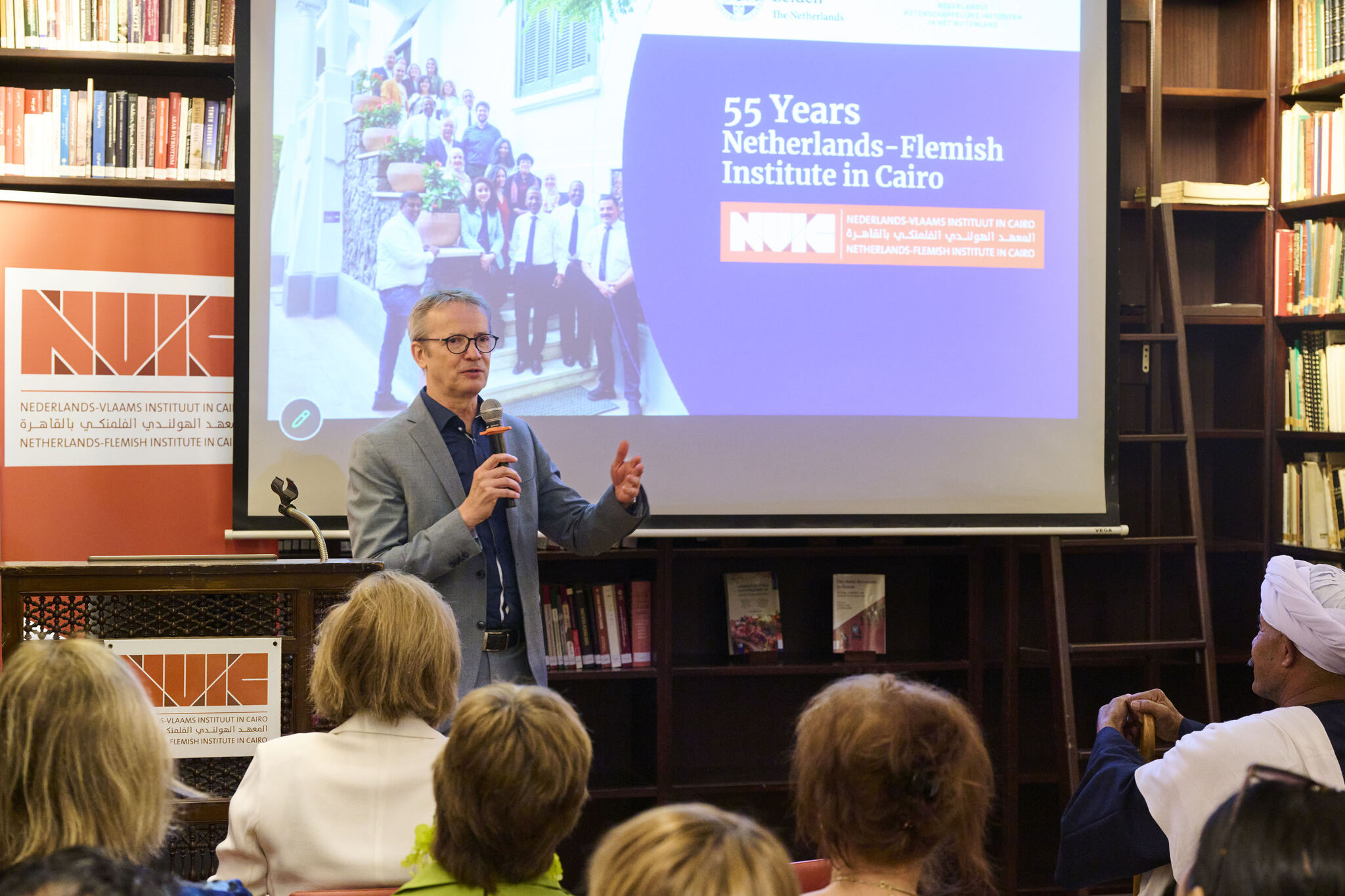
Academic and diplomatic anchor
The visit coincided with the 55th anniversary of the NVIC, led by its current director, Marleen De Meyer. Directors of other Leiden University institutes abroad - in Jakarta, Istanbul, Nairobi and Rabat - were also present for the occasion. The institutes play a key role for Leiden, combining local roots with strong ties to diplomatic networks. They enable Leiden students and researchers to immerse themselves in the local language, culture and context.
The Leiden delegation concluded the visit convinced that the NVIC provides a strong foundation in the region. 'This visit was about building connections between universities, countries and perspectives', said Sels.


