
What if the knowledge that could fuel the next scientific breakthrough has simply been forgotten in an old graph or table? Valuable scientific insights may already exist across decades of published experiments, yet remain buried in old research papers, waiting to be rediscovered.
Researchers from the Advanced Institute for Materials Research (WPI-AIMR) at Tohoku University have investigated ways to transform old date into new discoveries. In a review published in the journal Chemical Communication, they showed how extracting knowledge from past experiments and scientific literature is fundamentally reshaping research in chemistry and materials science.
"Modern science produces an overwhelming amount of information, making it increasingly difficult for researchers to see the bigger picture hidden across thousands of studies," said Hao Li, Distinguished Professor at Tohoku University's Advanced Institute for Materials Research (WPI-AIMR)." Today, by combining AI and data science with existing literature, we can uncover patterns and connections that could help drive future discoveries."
The researchers highlight examples from catalysis, solid-state electrolytes, and hydrogen storage to demonstrate how hidden knowledge can be extracted from existing data.
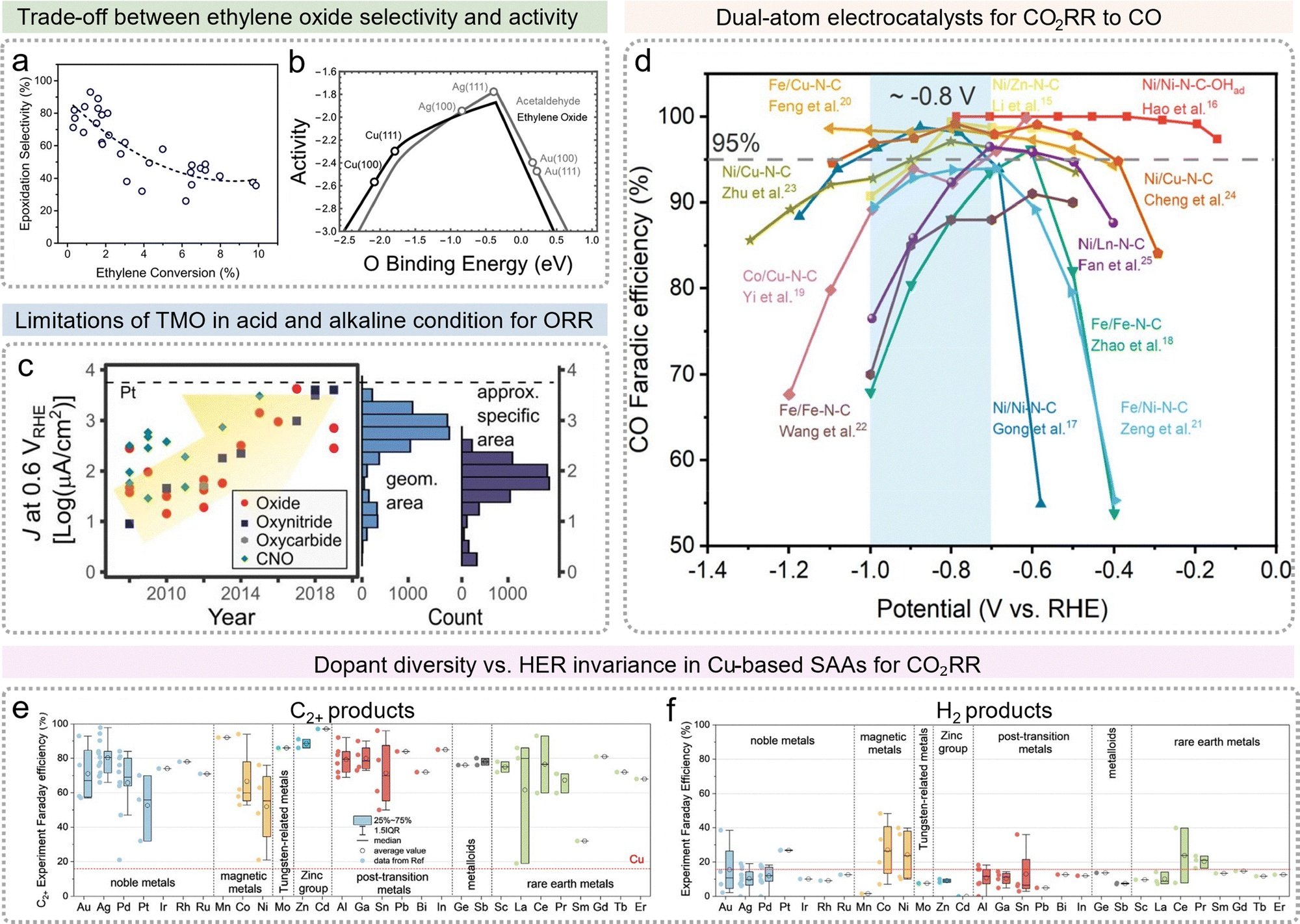
Within catalysis research, data-driven approaches reveal new phenomena and limitations in existing theoretical models, greatly accelerating materials design and screening.
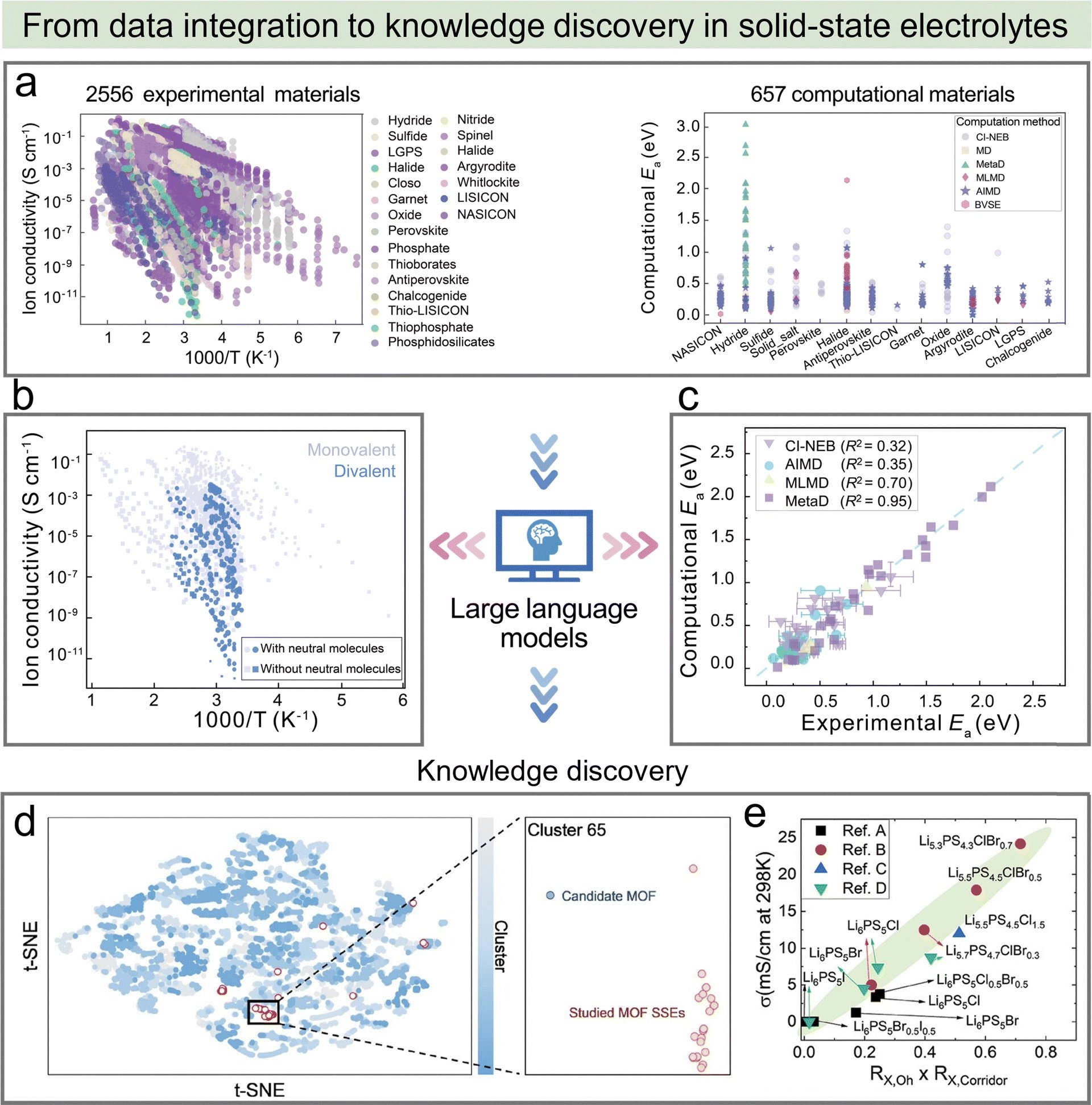
For solid-state electrolytes, AI-based methods help deepen the understanding of underlying physical mechanisms and support the discovery of new electrolyte materials for batteries.
Meanwhile, in hydrogen storage research, the review demonstrated a pathway from old data to structured knowledge and ultimately to autonomous materials design. In this field, data-driven approaches are reshaping the discovery and optimization of hydrogen-storage systems.
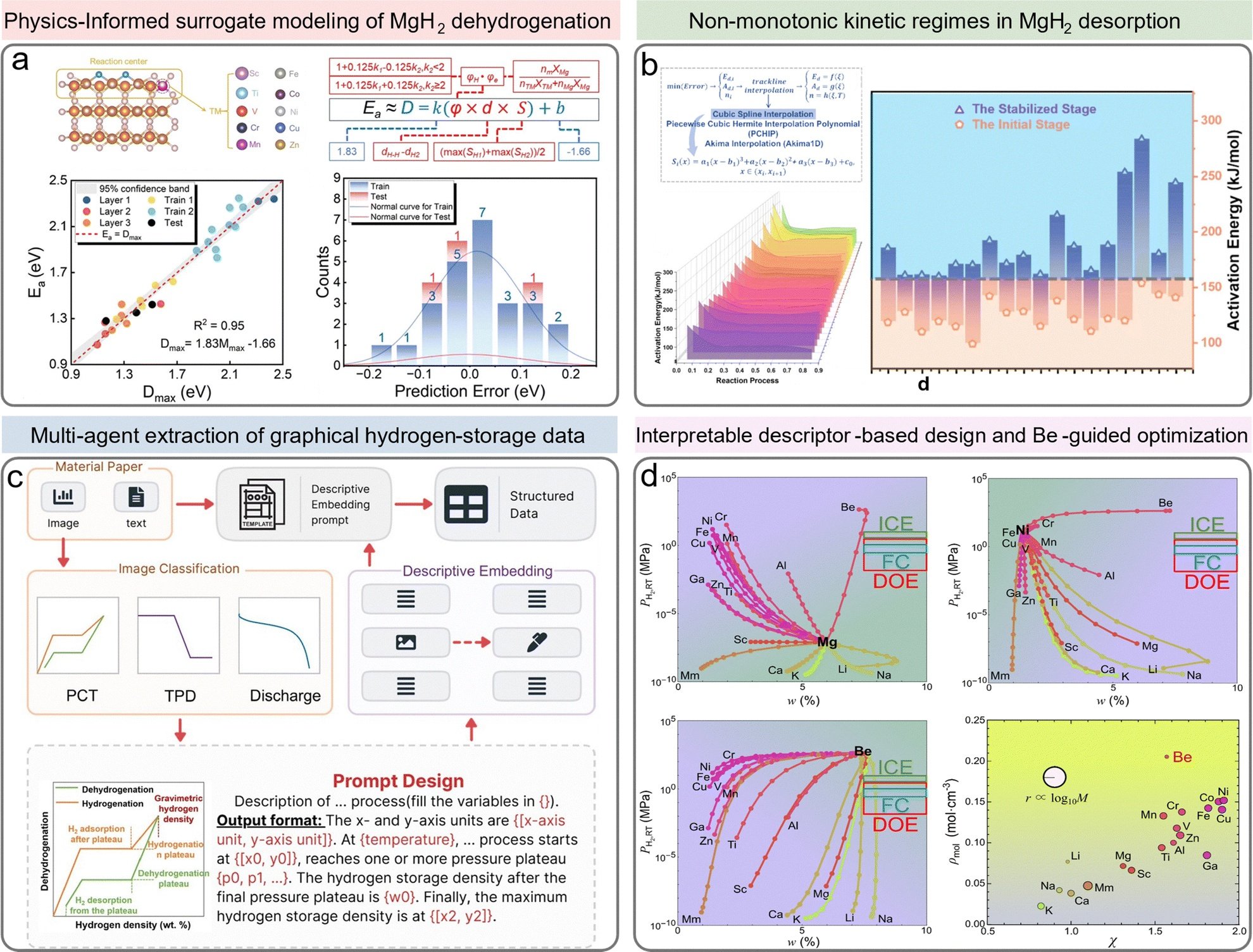
This study highlights the growing importance of database construction and AI agents in next-generation materials research. By connecting knowledge extracted from old data with theoretical simulations and experimental validation, the researchers envision a future in which materials discovery becomes faster, more connected, and increasingly driven by a digital materials ecosystem.
"Scientific discovery is no longer driven only by creating new data," added Hao Li. "Instead of relying on slow trial-and-error methods, the next breakthrough may come from seeing old knowledge in a completely new way with the help of AI."
With that said, the researchers believe that the future of materials discovery may depend not only on generating new data, but rather on uncovering hidden insights within decades of existing knowledge - showing that, in science, everything old can become new again.
- Publication Details:
Title: Discovering New Materials Knowledge from "Old Data"
Authors: Yuhang Wang, Qian Wanga, Seong-Hoon Janga, Eric Jianfeng Chenga, Hao Li,
Journal: Chemical Communications
DOI: 10.1039/D6CC01716A


