
The UK's renewed Women's Health Strategy, announced by the Department of Health and Social Care, NHS England and Wes Streeting, signals a shift from listening to action, with women's voices more directly shaping how care is designed and improved.
There is a clear focus on faster diagnosis, more joined-up care, and tackling bias in how women's symptoms are recognised and treated. These are longstanding challenges, well evidenced across research and practice. At BMJ Group, our response has been to bring this evidence together with practical solutions.
Developed in collaboration with the Gates Foundation, our recent women's health innovation collection in The BMJ brings together research and real world examples addressing these issues, from closing evidence gaps to redesigning services and supporting implementation at scale.
It also highlights the wider challenge. Women remain under represented in clinical trials, underfunded in research, and excluded from leadership, shaping what research is prioritised and which innovations are developed. Curated by The BMJ international editor, Dr Jocalyn Clark with expert contributions from Ophira Ginsburg, Ru Chen, Karla Unger Sadana, Fara Ndiye, Jane Hirst, Carmel Shachar, and Nina Linder, the articles set out how better data, inclusive research, and stronger leadership can support more effective and equitable care.
As policy begins to reflect these priorities, the focus now turns to delivery.

The growing movement around women's health innovation is welcomed, but to be genuinely transformative it must be political."
Dr Jocalyn Clark
International editor, The BMJ
Transforming women's health through innovation
Women's health innovation brings many benefits - to people, communities, economies, and to health. But it needs more strategic attention and progress. Despite decades of growth in medical technologies and digital health, women remain under-represented in clinical trials, underfunded in research and development, and excluded from leadership roles in fields of innovation. Conditions such as endometriosis, which affects 190 million women globally, receive a fraction of the investment allocated to male dominated conditions, for example. Diagnostic technologies, telehealth, and AI offer opportunities to expand access and personalise care, but without attention to data privacy, equity, and the digital divide these innovations risk reinforcing existing inequalities.
This BMJ Collection contributes to a growing conversation about women's health innovation - examining ways that ethical, data driven approaches, women's leadership, and regulatory safeguards can ensure research, digital tools, and funding priorities are aligned to advance sex- and gender-informed innovations and improve health and equity for women worldwide.
Editorial
The growing movement around women's health innovation is welcomed, but to be genuinely transformative it must be political, argues Jocalyn Clark
Innovation in women's health must be led by women
Inclusive and accountable research and technology are essential for gender equity, says Ebere Okereke
Analysis
Innovative design and modelling to improve sex and gender analysis in clinical trials
Jane Hirst and colleagues argue that novel modelling approaches using routinely collected data can be only as representative and complete as the original data, and that bridging the sex and gender gap through contemporary, innovative clinical trial designs could be a crucial way forward
Digital health technologies to transform women's health innovation and inclusive research
Bola Grace and colleagues argue that using digital health technologies ethically can increase the scope and scale of research and connect systems to improve women's health
Effective regulation of technology in women's health and healthcare
Carmel Shachar and colleagues argue that femtech requires robust and stringent privacy and security safeguards because of the sensitivity of the data
AI supported diagnostic innovations for impact in global women's health
Nina Linder and colleagues examine how artificial intelligence could be applied to diagnostic methods that rely on highly trained experts, such as cytological screening for cervical cancer, enabling implementation even in resource limited settings
Decolonising women's health innovation
Tiffany Nassiri-Ansari and colleagues set out how a decolonial feminist approach to innovation could produce greater gender equality and health equity
Leadership and culture change to advance innovation in women's health
Sapna Kedia and colleagues argue that equitable leadership, supported by training and systemic reform and rooted in marginalised groups' experiences and community insight, can transform the innovation cycle, from research and development to delivery, making health technologies more inclusive and impactful
Designing clinical practice guidelines for equitable, inclusive and contextualized care
Sabine Oertelt-Prigione and colleagues argue that European clinical practice guidelines need standardised, inclusive, sex and gender sensitive development to not only guide healthcare but also drive innovation and research agendas
Opinion
We need a broader perspective on innovations to advance a women and health agenda
Although biotech innovations have contributed to improvements in health outcomes, we need more comprehensive health innovation to tackle persistent gender and intersectional equity gaps, argue Karla Unger Saldaña and colleagues
Reshaping research and development through women's leadership
To achieve equitable health systems women need to be the architects of innovation, not merely its recipients, says Fara Ndiaye
Reimagining women's health is a global imperative
The choices and investments we make to advance women's health now will define our shared health and prosperity in the future, writes Ru Cheng
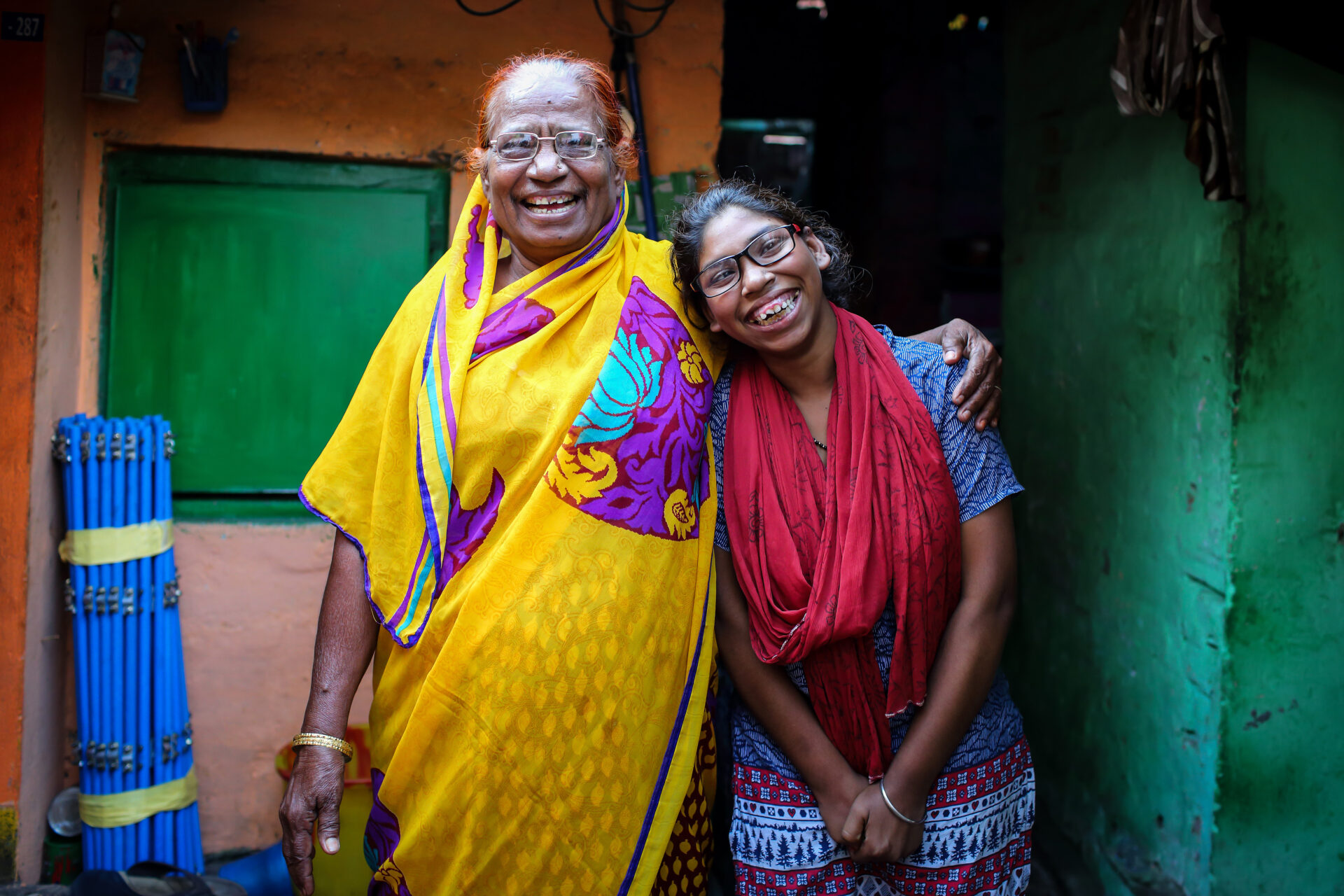
This BMJ Collection was developed in partnership with the Gates Foundation. Open access fees were funded by the Gates Foundation. The BMJ commissioned, peer reviewed, edited, and made the decisions to publish. Smruti Patel and Jocalyn Clark were the lead editors for The BMJ.
BMJ Collections brings together articles that draw attention to key priorities, neglected issues or needed debates within global medicine and health. They are often developed in collaboration with international organisations that share our passion for improving global health by influencing policy and decision making. They include academic, bilateral, multilateral, and non-governmental organisations.


