
If you're a woman newly diagnosed with breast cancer, treatment can feel … well, scary. Will chemotherapy work? Or will it become a cycle of educated guesswork: trying one drug combination, waiting, scanning? If the tumor doesn't respond, trying something else. In the meantime, the cancer doesn't wait.
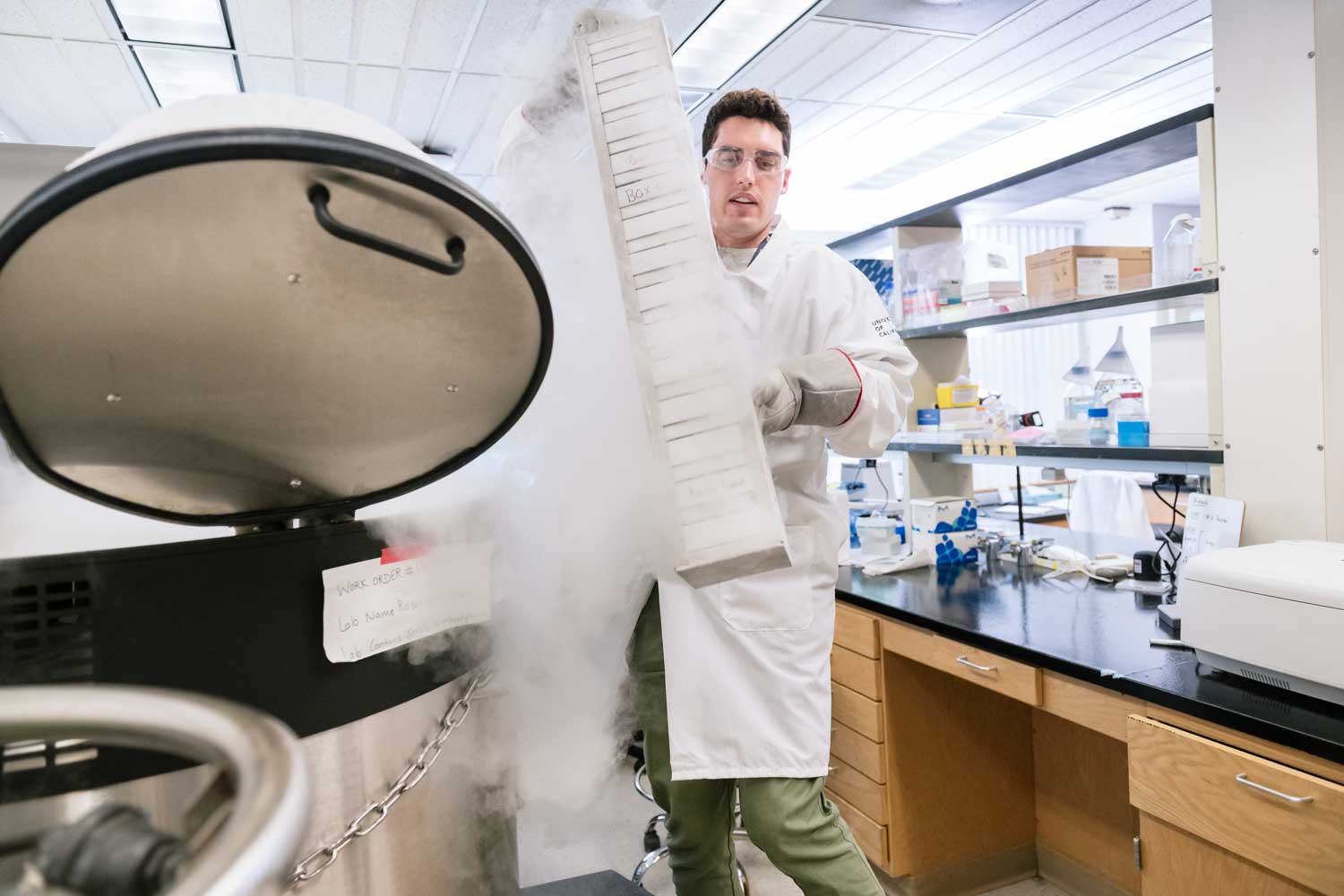
But in the not-too-distant future, patients may begin with a head start. In this future, doctors grow a tiny version of a patient's tumor in a lab - a living replica carrying the same mutations and quirks as the original cancer. Before treatment begins, doctors test drugs on the replica, watching how it responds. Decisions begin with evidence tailored to the individual patient.
"If we can predict how a tumor will respond before starting down a therapeutic path, it would save time, money, and a lot of anxiety," said Jennifer Rosenbluth , MD, PhD, an associate professor of Medicine and the Sulochana Pradhan, MD Distinguished Professor in Breast Cancer.
That's one of many promises of organoids - tiny, three-dimensional clusters of cells that can be grown from a patient's own tissue. Given the right conditions, the cells self-organize into "mini organs" that capture some of the complexity of how tumors grow, intestines heal, and brains develop.

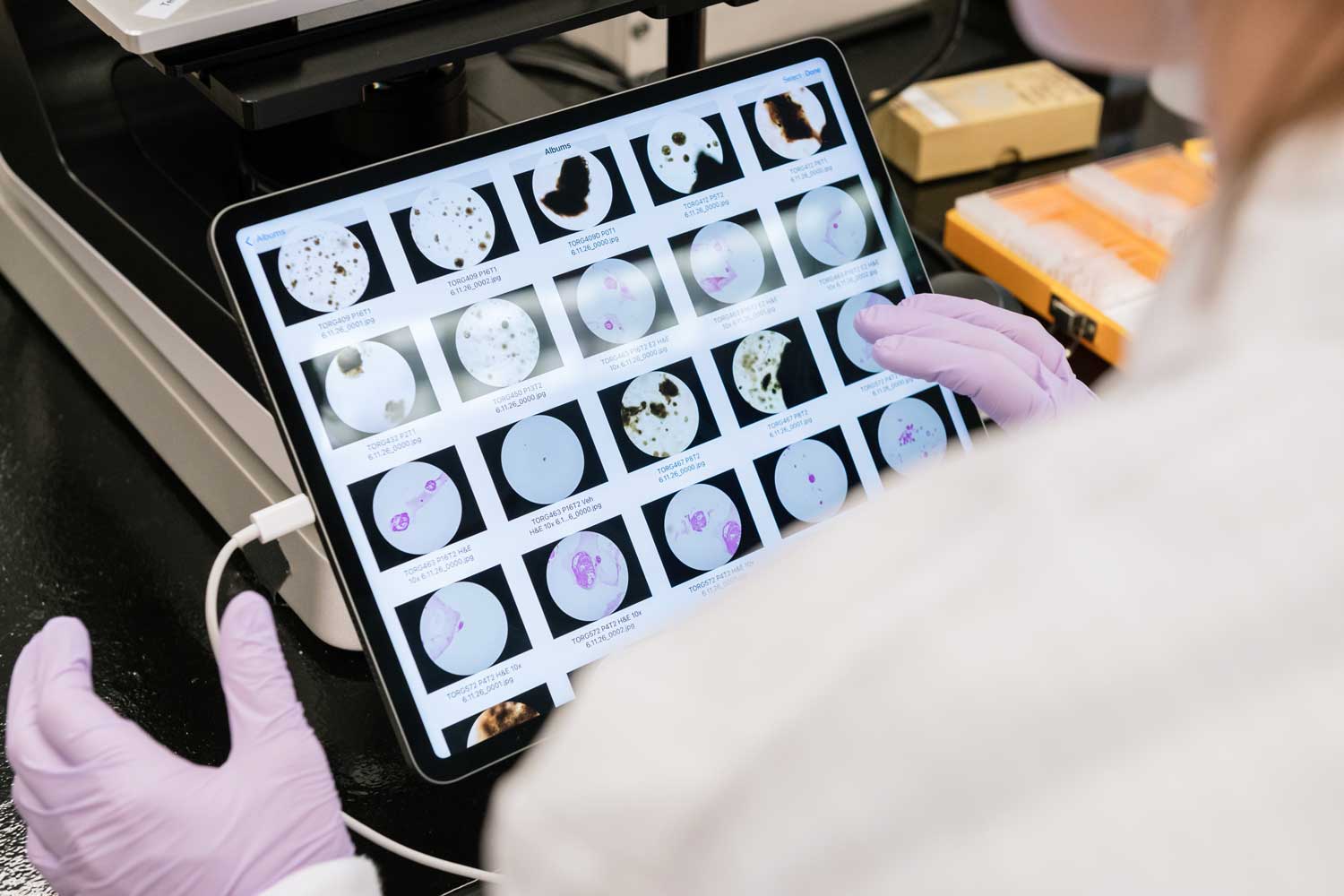
What makes human organoids especially powerful is how closely they reflect human biology, often capturing features difficult to reproduce in mice and other animal models. Over the past decade, advances in stem cell technology have made organoids easier to grow and sustain, shifting the focus from how to make them to how to use them.
Organoids, once seen mainly as research tools, are now emerging as promising platforms for developing drugs and tailoring treatments without relying first on animal testing. At the same time, they are opening a window into disease itself - helping scientists trace how disease risk develops before birth, evolves across a lifetime, and responds to the environment.


