
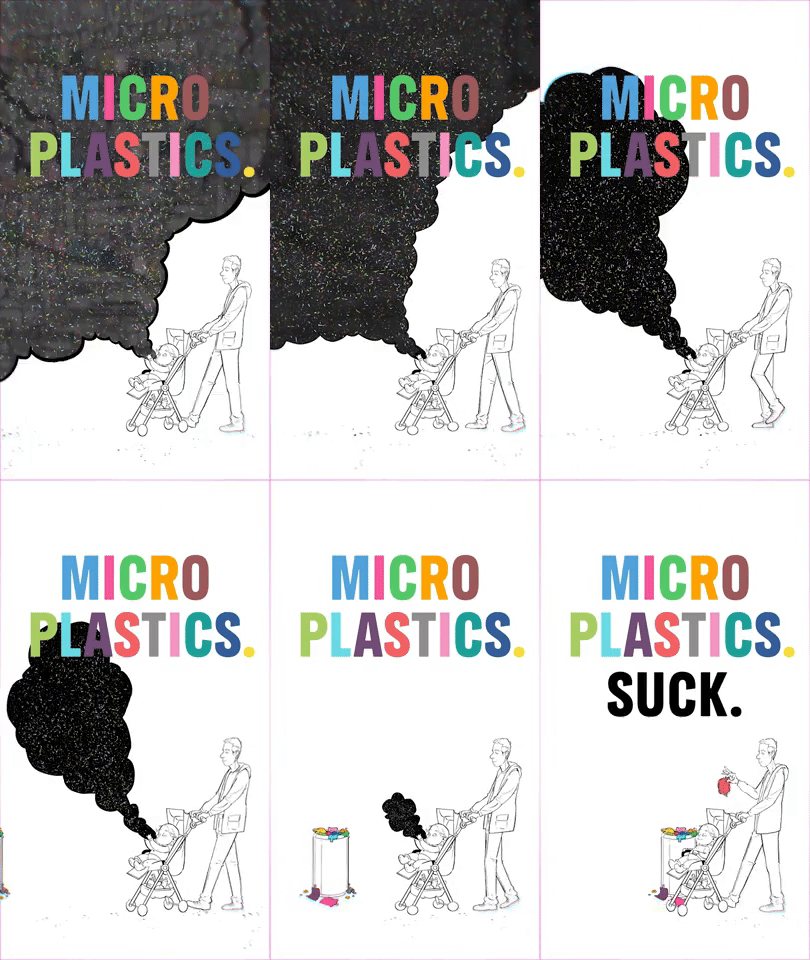
From toys to bottles, blankets to clothing, babies are surrounded by plastic. No human born today can fully avoid it, and yet our children may be more vulnerable to its possible impacts. When I made my way into the baby food aisle as a new parent, I was shocked that the image in my head of mini glass bottles and boxes of baby cereal lining shelves had been replaced with rows of plastic pouches. The plastic campaigner in me saw one thing - a mouth full of microplastics.
Every day, millions of babies around the world happily snack on pureed food packaged in "squeeze and suck" plastic pouches. These colourful and convenient meals-on-the-go dominate the baby food aisle of supermarkets worldwide, and have become a staple for many families. But growing concerns about our daily exposure to plastic and harmful chemicals raise a big question for the global consumer goods companies driving the baby food pouch trend. Could Nestlé and Danone be exposing babies to microplastics and harmful chemicals? Brace yourself, parents: what we reveal in our latest report…sucks.
Nestlé and Danone under the microscope: what our tests found
In Greenpeace International's new report - Tiny Plastics, Big Problem: The Hidden Health Risks of Plastic Pouches for Baby Food, we dig into the worrying topic of babies' exposure to microplastics through a popular packaged food. We commissioned an independent lab to investigateNestlé's Gerberbrand yoghurt-based puree and Danone's Happy Baby Organicsbrand fruit-based puree packaged in plastic spout pouches. The tests found microplastics present in the food of both products.
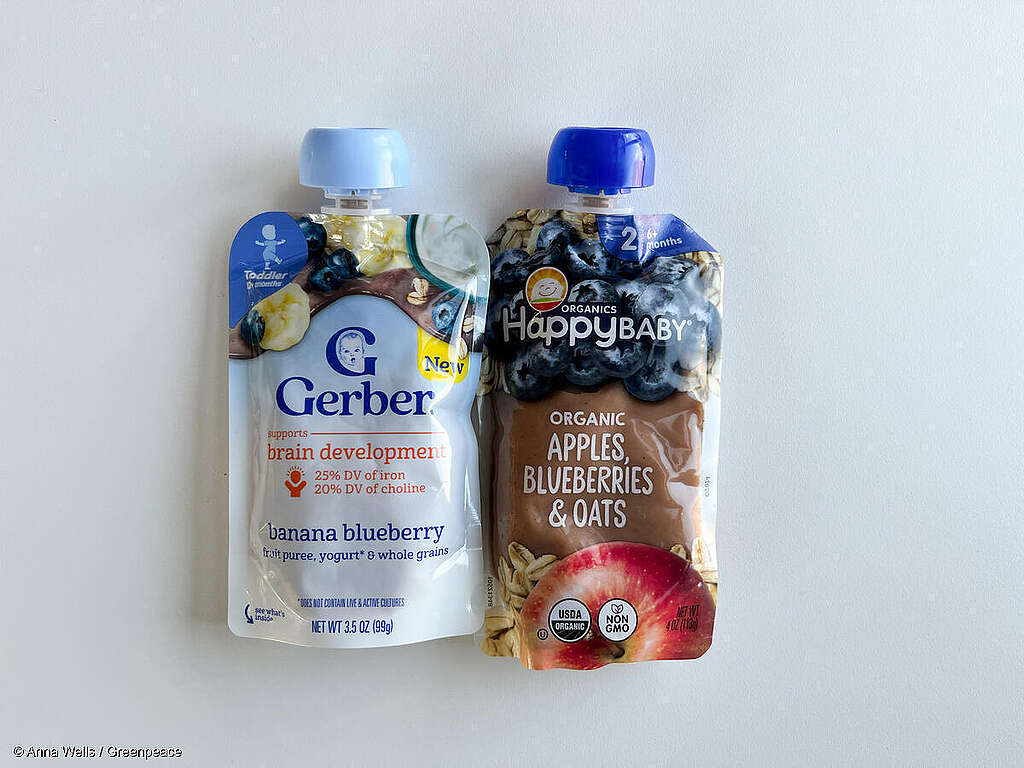
In a gram of food - the weight of one little raisin - the Gerber pouches contained up to 54 microplastics on average, and the Happy Baby Organics pouches contained up to 99 microplastics on average. That's equivalent to up to 270 and up to 495 microplastics per teaspoon, or an estimated total of more than 5,000 particles in each Gerber pouch and more than 11,000 in each Happy Baby Organics pouch.
The evidence suggests a link between the type of plastic the pouches are lined with - polyethylene, and some of the microplastics found. The results also suggest the presence of a range of chemicals present in both the packaging and the food, including a known endocrine disrupting chemical in the Gerber yoghurt product.
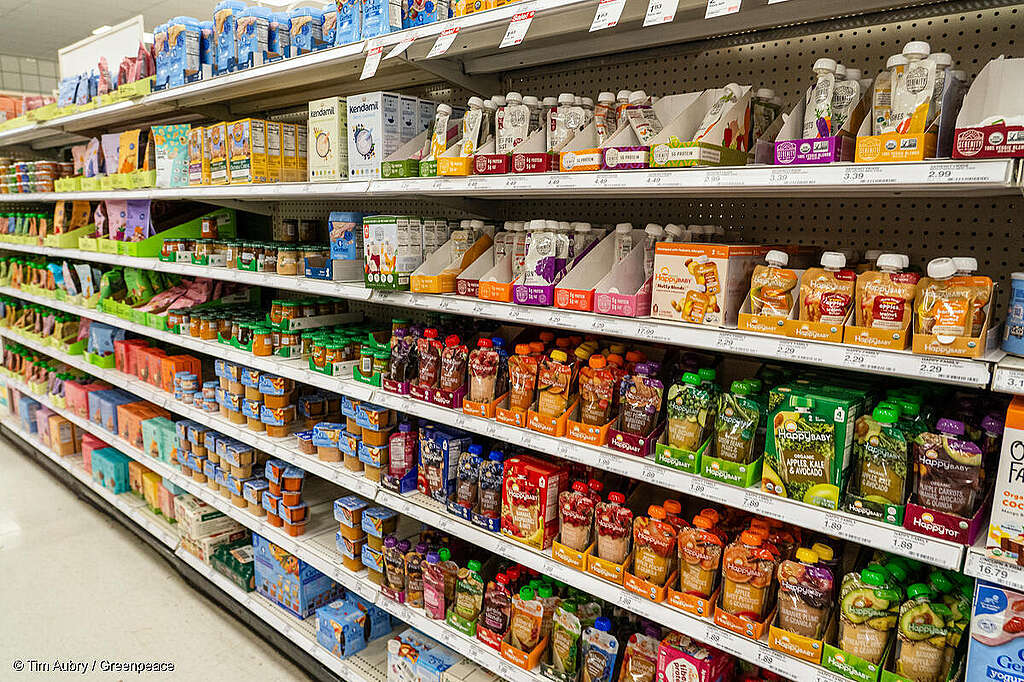
Gerber and Happy Baby Organics pouches are sold in supermarkets and via online retailers to customers in numerous countries around the world. Parents are putting their trust in these well-known brands to ensure their babies' first bites of food aren't contaminated. Unfortunately, this research shows that Nestlé and Danone cannot guarantee that.
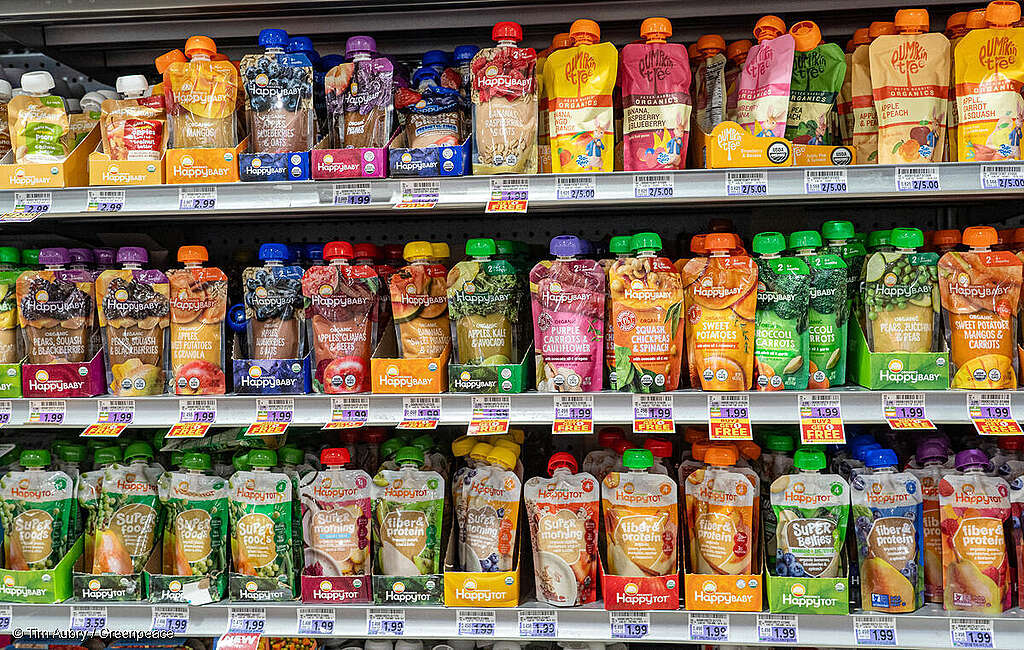
This raises serious health concerns for the babies eating these products. And it casts a shadow over the entire baby food aisle. Plastic-free options are increasingly limited, and certainly not accessible to all parents.
The plastic food chain: how packaging contamination reaches babies
News headlines warning consumers about product recalls due to plastic contamination have become more common. In a food delivery system so dependent on plastic at every stage of the supply chain, it's no wonder. Recalls are usually industry-driven. We rely on companies to catch and report suspected or proven problems, and to work with government agencies to notify the public and determine a way forward.
But what happens when the contamination isn't about a mechanical malfunction or human error? What checks and balances are failing, or worse, don't exist in the first place? Do these companies already know their products contain microplastics or had they somehow not given any thought to the prospect that eventually their plastic business model would literally crumble apart?
Nestlé and Danone know they have a plastic problem. They just don't know how to prioritize people over plastic. And governments aren't holding them to account.
A multilayered disaster for babies and the planet
The scientific literature reinforces the warning signs shown by our research. Our report explains how this new study is the latest in a growing body of research investigating baby food packaged in multilayered, flexible plastic pouches and plastic food storage. As new evidence emerges, it consistently points towards microplastic and chemical exposure, and this is true across multiple types of plastic products.
We already know too well how plastic packaging is weakening the planet's immune systems – worsening the biodiversity and climate crises across its lifecycle. Plastic packaging represents about 40% of global plastic production and waste. It has caused waste management systems to buckle under immense, sustained pressure. Costing taxpayers, and governments.
The more plastic companies produce, the more exposed we are. Plastic packaging that makes its way into the environment eventually breaks down into microplastics that circulate through ecosystems, move up food chains, and enter our bodies through air, water or food.
Whether we are directly or indirectly exposed to microplastics and associated chemicals via packaging, we know that breaking free from the plastic crisis means breaking free from plastic packaging.
Why system change on plastics is a public health imperative
Together, Nestlé and Danone account for a whopping 40% of the global baby food market, with Nestlé leading the industry overall. With such a huge market reach comes added responsibility to drive the industry in the right direction for the good of its customers and the planet. But these corporate giants are no strangers to plastic pollution-related scandals.
Nestlé and Danone have repeatedly been two of the top plastic polluters globally, according to community clean-up brand audits by the Break Free from Plastic movement. They pump out upwards of a million tonnes of plastic packaging each year, playing a significant role in creating and sustaining the current plastic crisis.
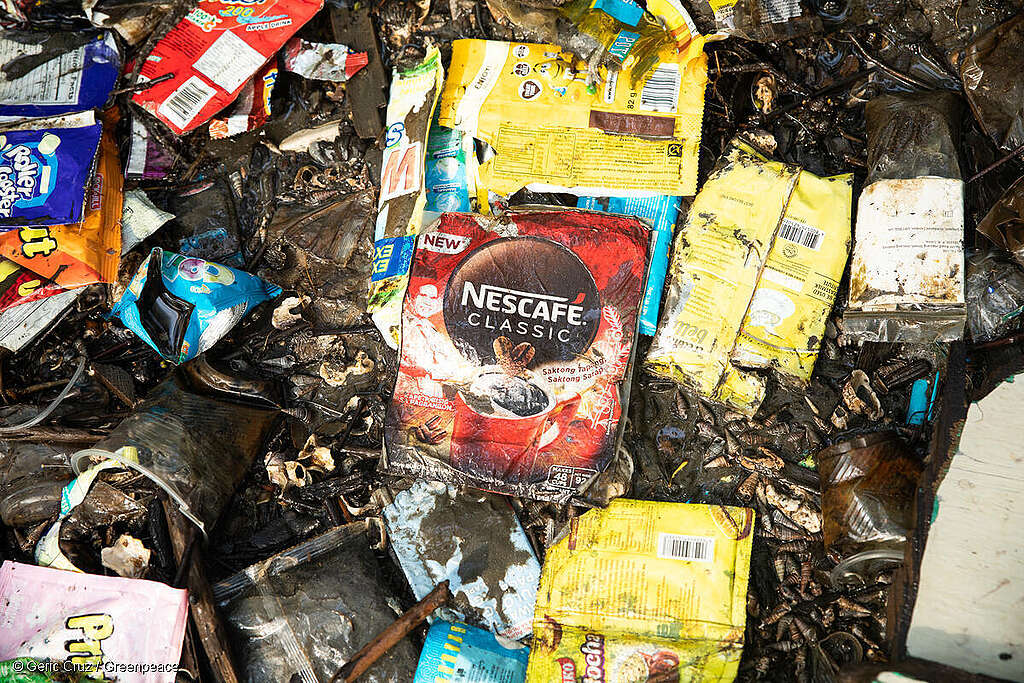
Voluntary commitments by Nestlé and Danone haven't gone far enough to meaningfully reduce their plastic footprints, or drive wider industry shifts towards non-toxic, zero waste models. And efforts to meet external certifications on reducing toxins in products still allow the potential for microplastics and chemicals to slip through the cracks of their product packaging.
On a planet in environmental and social crisis, meeting lax health and safety legal requirements isn't going to cut it. And half baked plans and false solutions are an insult to concerned customers.
Nestlé and Danone must urgently commit to swap pouches for non-toxic, plastic-free reusables and refill systems for baby food. After years of calls to actionto reduce their reliance on plastic packaging, this should serve as a wake-up call that the cost of inaction could be eaten by the next generation.
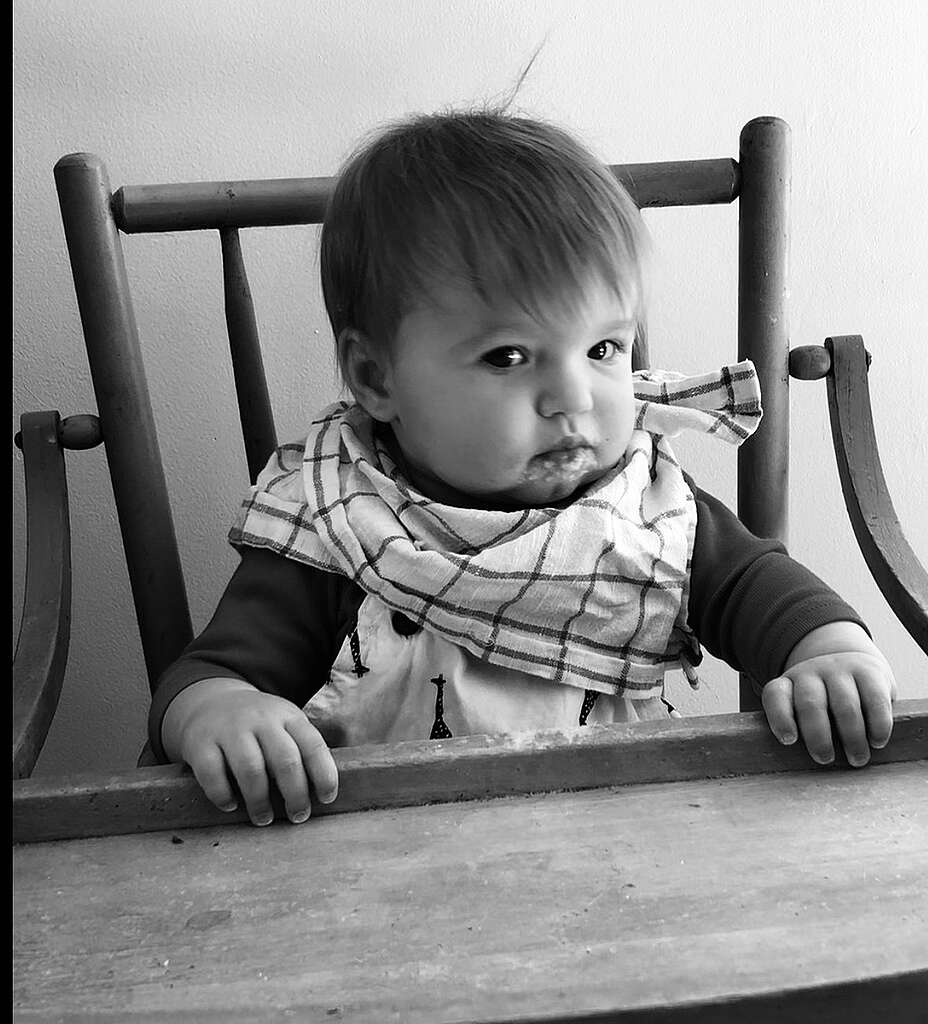
Governments have more than enough information to apply the precautionary principle, and take immediate action. The burden of proof can't be on our children, right? Surely we can all agree on that. It's time to close the policy gaps and work nationally and globally to eliminate harmful plastics and chemicals, and accelerate a shift to healthier and accessible reuse-based systems. Governments must secure a strong and ambitious Global Plastics Treaty that prioritizes human health, cuts global plastic production and consumption, and stops another plastic generation.
Join me in taking action to stop plastic pollution at the source, globally. Add your name to the petition calling for a strong Global Plastics Treaty that protects the future of biodiversity, the climate and our health.
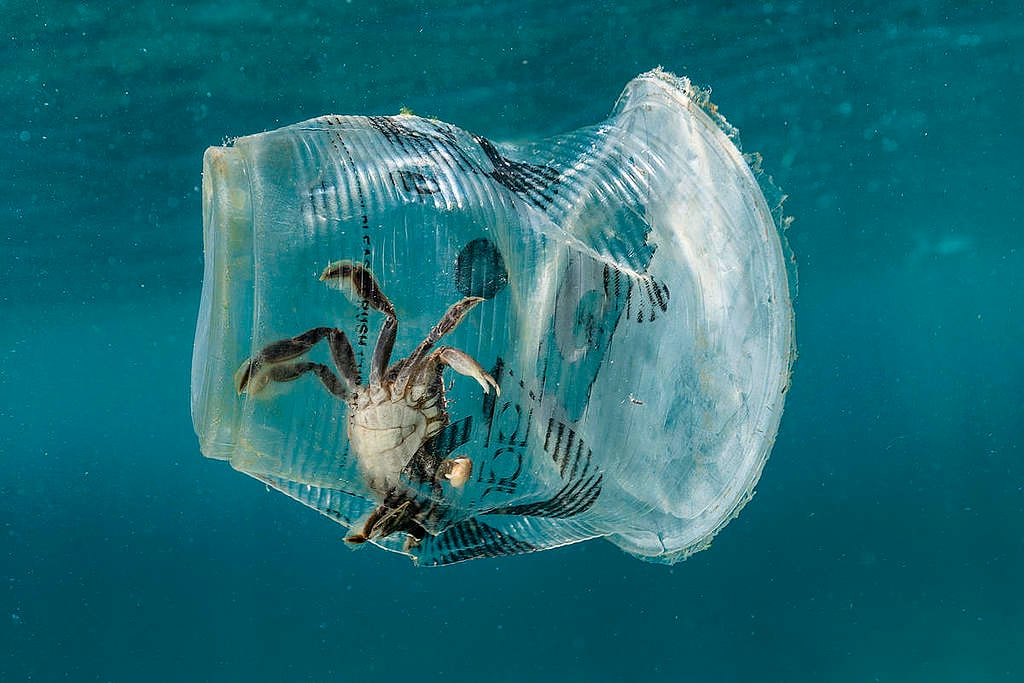
Ask world leaders to support Global Plastic Treaty so that we can finally turn off the tap and end the age of plastic.
Sarah King is a senior campaign strategist for the Greenpeace Plastic Free Future campaign.


