
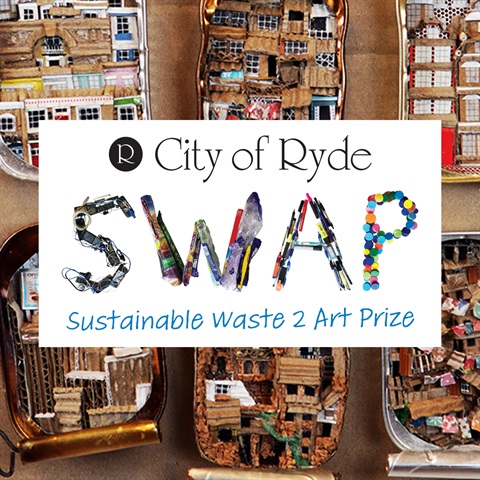
Transforming discarded objects into meaningful art is more than a creative challenge - it's a chance to rethink what we throw away and why it matters. If you're preparing for the Sustainable Waste 2 Art Prize or simply want to explore upcycling in a fresh, imaginative way, these tips will help you turn everyday waste into something remarkable. Dive in and discover how to make your materials - and your message - truly stand out.
Start by choosing a clear sustainability message
Your artwork must relate to environment, sustainability, or waste themes, so decide early what story you want to tell—pollution, biodiversity, circular economy, overconsumption, or regeneration. A strong message elevates even simple materials.
Collect materials with intention
Gather used or recovered waste — cardboard, fabric scraps, plastic packaging, old electronics, metal offcuts, broken toys. Look for textures, colours, and shapes that can become features rather than flaws. You can also consider items from op shops and reuse centres.
Use new materials only for assembly
SWAP rules allow new items only for binding, bonding, or adhering, so plan your construction so the waste materials do the visual heavy lifting.
Engineer strong joins
Waste materials can be fragile. Reinforce with:
- Rivets
- Twine or wire
- Eco-friendly adhesives
- Stitching or weaving Good structural integrity ensures your piece survives transport and exhibition.
Let the material guide the design
Instead of forcing waste into a preconceived idea, explore what each object "wants" to become. A bottle cap might be an eye; a circuit board might be a landscape; a cardboard tube might be a bird's body.
Think function as well as form
There is a Functional category in SWAP, rewarding objects that can be worn or used. Consider lamps, jewellery, bags, organisers, or small furniture made from reclaimed materials.
Keep size and weight limits in mind
Works must be no larger than 150 cm in any direction, and wall-mounted pieces must be under 20 kg. This affects your choice of materials and construction methods.
Use repetition for visual impact
Many waste items—bottle lids, bread tags, cardboard pieces—become striking when repeated. Patterns, gradients, and mosaics can transform mundane scraps into cohesive artworks.
Play with colour—natural or added
You can:
- Keep the natural colours of the waste
- Use left over paints selectively
- Use left over dyes for fabric scraps
Document your process
Take photos of your materials before and during construction. This helps you explain your environmental message and demonstrate authenticity if needed.
Avoid culturally sensitive motifs
SWAP excludes artworks using unauthorised Indigenous symbols or styles, so ensure your imagery is original and culturally respectful.
Over 10 years old? - Enter your creation into the SWAP Art Prize Competition!
Applications close 26 July 2026.


