What the research is about
Insulin is an essential hormone that lowers blood sugar levels. However, when a tumor called an insulinoma forms in the pancreas, insulin may be released in excessive amounts, sometimes causing life-threatening hypoglycemia (low blood sugar).
A major challenge in treating this disease is that drug treatment options are limited, and it is difficult to identify which tumor is actually responsible for excessive insulin secretion. Even when multiple tumors are present in the pancreas, current imaging techniques cannot determine how much insulin each tumor is secreting. As a result, doctors have often had to rely on invasive tests or surgery for diagnosis and treatment.
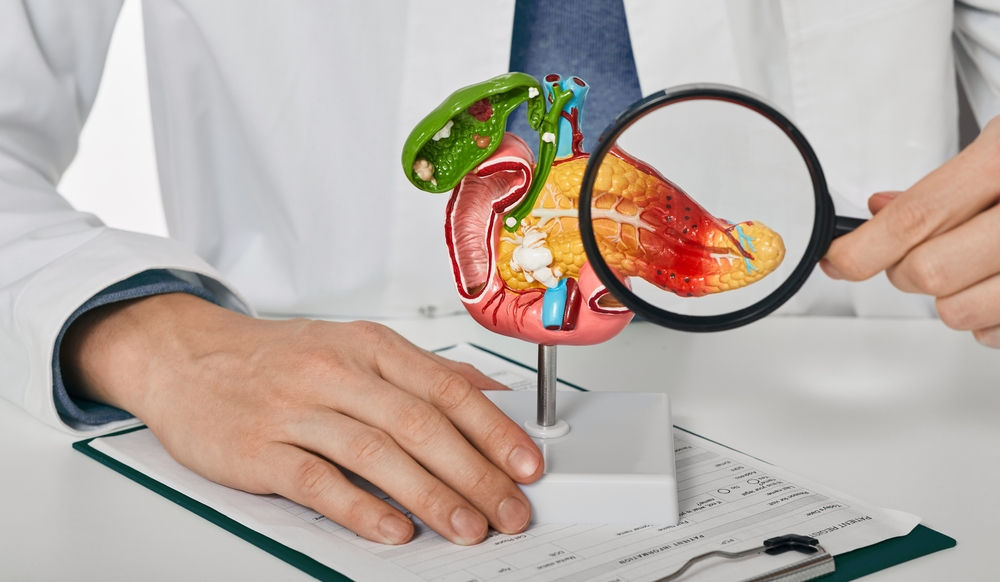
To address these issues, a research team led by Assistant Professor Go Ito at Institute of Science Tokyo (Science Tokyo), together with graduate student Hiromune Katsuda (now Specially Appointed Assistant Professor at the same university), set out to uncover why insulin is over-secreted and which tumor is truly responsible.
Why this matters
A "switch" that triggers insulin hyper-secretion
The researchers successfully established long-term cultures of "mini insulinomas" (organoids) derived from patient tumors. Using this model, they analyzed tens of thousands of genes to identify key molecules involved in abnormal insulin secretion.
Insulin is first produced inside cells and then released (secreted) in response to changes in blood sugar, such as after eating. This study revealed that the problem in insulinoma is not excessive production of insulin, but excessive secretion.
Importantly, the team identified a protein called DOCK10, which acts as a "switch" controlling insulin release. They found that DOCK10 is abnormally increased in insulinoma, leading to excessive insulin secretion.
A new marker to identify the tumor actually responsible
Previously, even if tumors were detected, it was difficult to determine whether they were actually responsible for excessive insulin secretion. This study showed that tumors with high levels of DOCK10 are the ones actively releasing large amounts of insulin and causing hypoglycemia. In other words, DOCK10 could serve as a new marker to identify which tumor should be treated. Furthermore, using advanced single-cell analysis (a method that examines individual cells in detail), the researchers discovered that tumors contain a mixture of cells-some that actively secrete insulin and others that do not. DOCK10 was found specifically in the insulin-secreting cells, supporting its usefulness even at the cellular level.
What's next
This discovery could significantly advance the diagnosis and treatment of insulinoma. For example, By using DOCK10 as a maker, surgeons may be able to precisely identify and remove only the tumors responsible for excessive insulin secretion, reducing the burden on patients.
In addition, the study highlighted a molecule called Cdc42, which acts downstream of DOCK10 to regulate insulin secretion. By targeting this pathway, it may become possible to develop new drug therapies to control excessive insulin release.
The organoid technology established in this study-allowing insulin-secreting cells to be kept alive for more than a month-also has broad potential applications. It could accelerate research not only on insulinoma but also on diseases such as diabetes, serving as a powerful tool for future biomedical research.
Comment from the researcher
When people hear "insulin," many think of diabetes-a condition in which insulin is not produced in sufficient amounts. In contrast, insulinoma is the opposite: a disease in which too much insulin is released.
Although these two conditions are very different, both are important for understanding how insulin secretion works. However, research has traditionally focused more on the "too little" side, and less on the "too much" side.
We believed that new insights could be gained by studying insulin over-secretion. Using new technologies such as organoids and RNA sequencing, we explored this question from a different perspective.
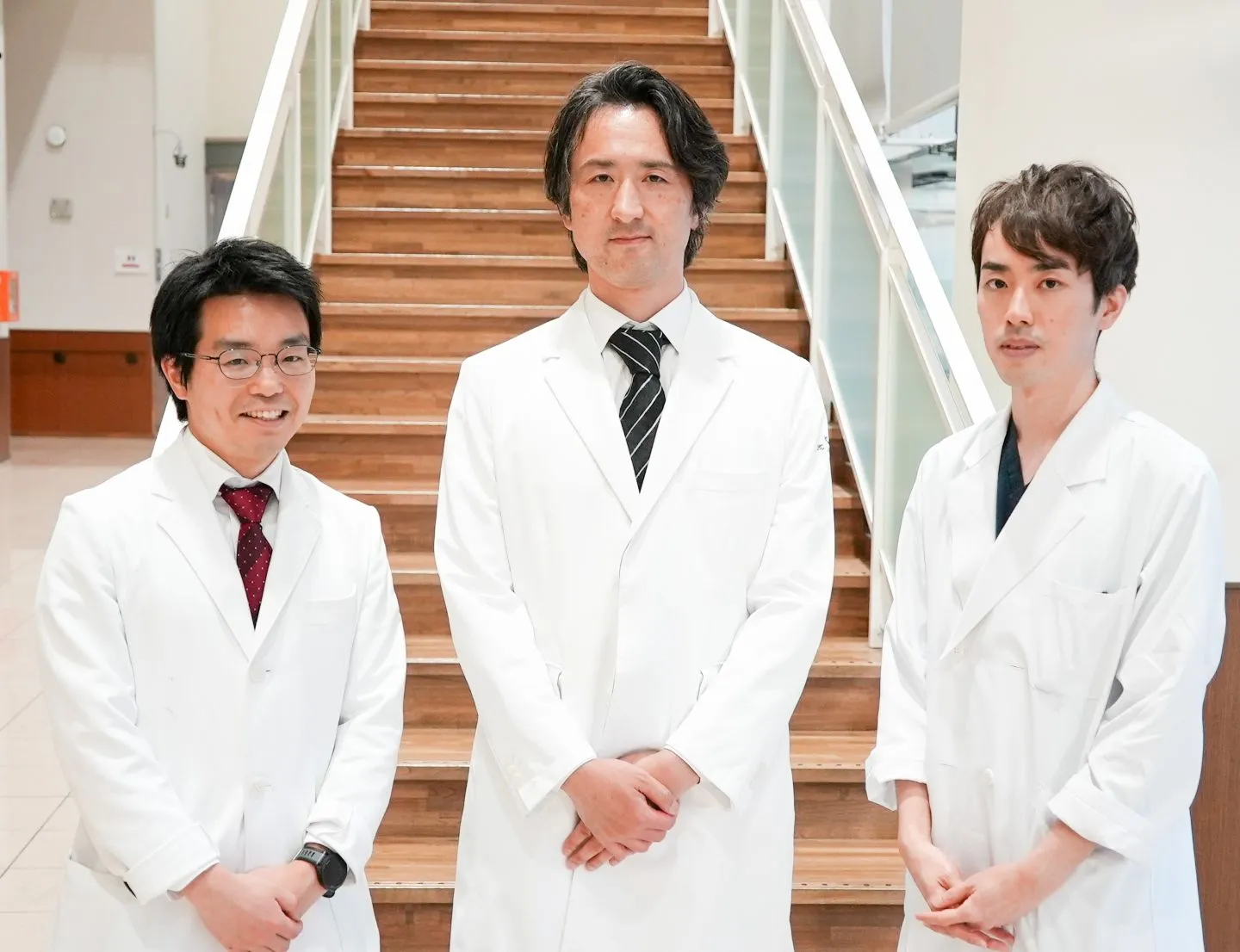
We hope that our findings will lead to improved diagnosis and treatment for insulinoma, a disease that has not been extensively studied.
Insulin secretion has mainly been studied in the field of endocrinology. However, as gastroenterologists, we believe it is also important to look beyond traditional boundaries between organs and medical specialties. We will continue pursuing research from such interdisciplinary perspectives to open new possibilities.
(Go Ito, Assistant Professor, The Center for Personalized Medicine for Healthy Aging, The Department of Gastroenterology and Hepatology, Institute of Science Tokyo)
Dive deeper
Explore more research in Science for All
Science for All showcases cutting-edge research at Science Tokyo and highlights the ideas, people, and possibilities shaping the future.