
Three Australian National University (ANU) scientists have been recognised for their extraordinary work by being elected Fellows of the Australian Academy of Science.
Their work is helping revolutionise the design of future technologies, improve crop yields and deepen our understanding of early life on earth.
Distinguished Professor Yun Liu, Professor Robert Furbank and Professor Jochen Brocks are among 28 new members admitted to the Academy.
A sense of exploration, discovery and excitement that never fades
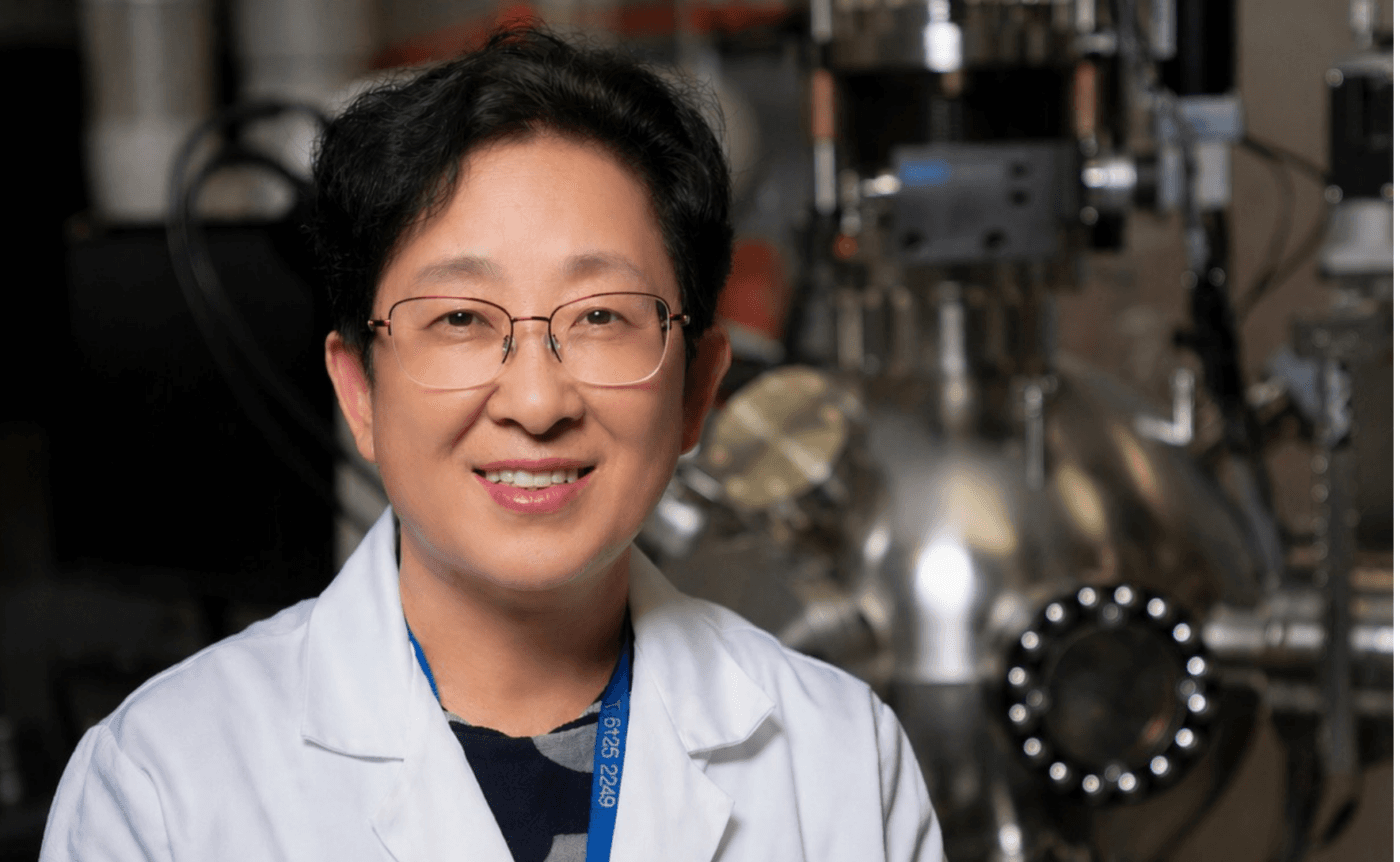
Distinguished Professor Yun Liu, of the Research School of Chemistry, is an applied materials chemist whose pioneering research in defect and crystal chemistry has revolutionised materials design for future technologies, driving progress in electronics, energy and environmental applications.
Her research relies on world-class facilities, including neutron and synchrotron sources, high-resolution electron microscopes and atomic force microscopes.
"These tools allow us to probe matter at the atomic scale and solve complex problems in ways that were unimaginable decades ago," Liu says.
"Every material you study is different, which means every day brings new challenges, and you are constantly acquiring new knowledge and skills.
"There is a sense of exploration, discovery and excitement that never fades."
Figuring out how things work and making them work better
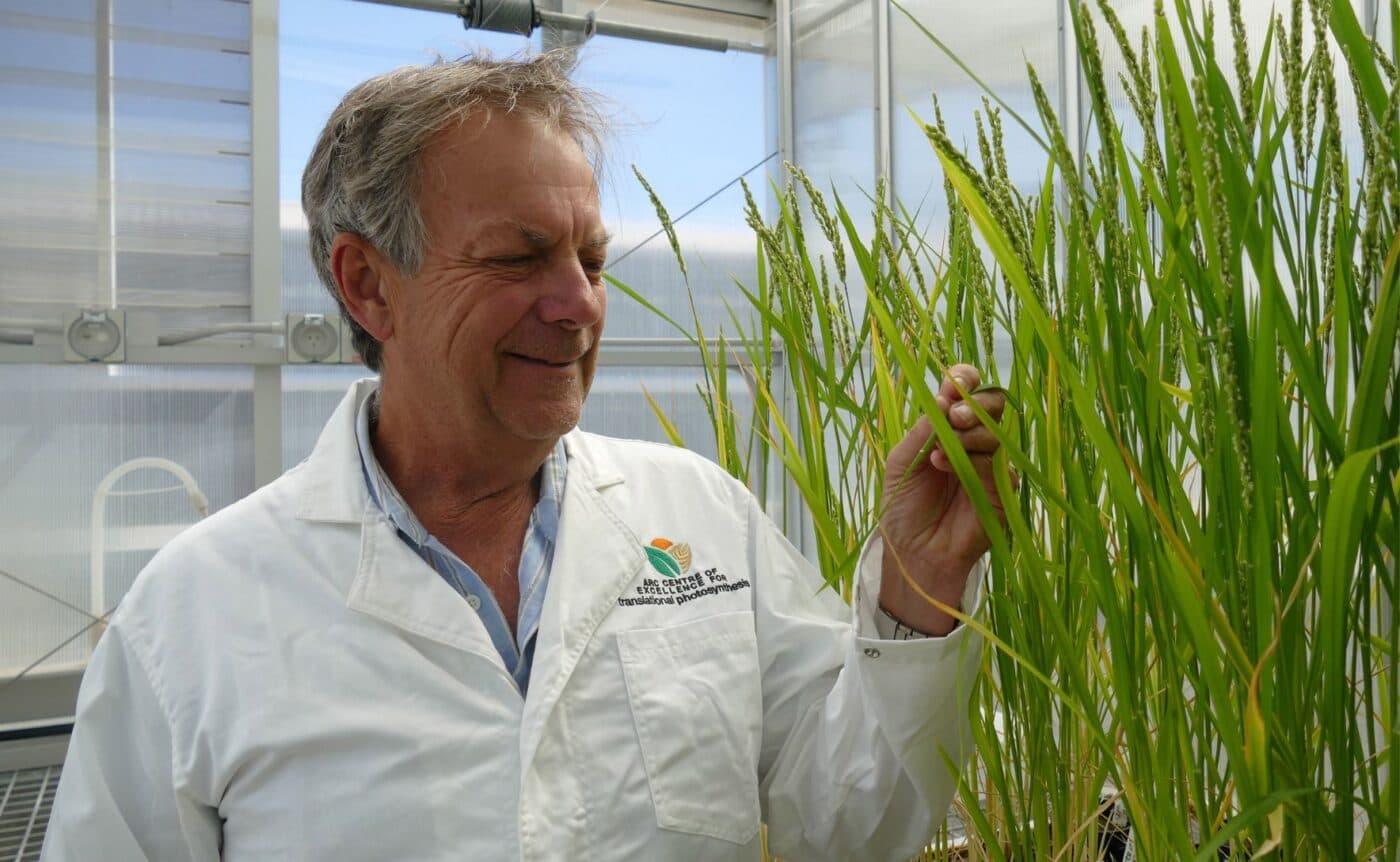
Professor Robert Furbank, of the Research School of Biology, leads international work to redesign rice and wheat for higher yields.
He is an internationally recognised pioneer of multiscale plant biology, who has made fundamental discoveries in photosynthesis and its use to drive crop yield.
Professor Furbank's novel insights span gene discovery to engineering in silico tools that increase field crop performance. His establishment of Australia's first Plant Phenomics Centre allowed exploration of photosynthesis and plant performance from the leaf to the field.
He has also led global philanthropic initiatives to boost rice photosynthetic performance.
"I love figuring out how things work and making them work better,'' Furbank says.
"Mostly crop plants using engineering principles but also old classic sports cars!''
Opening a new window on life in primordial oceans
Professor Jochen Brocks, of the Research School of Earth Sciences, has pioneered technologies to detect traces of molecular fossils in billion-year-old sedimentary rocks, opening a new window on life in primordial oceans.
His work has transformed textbook knowledge about the early evolution of nucleated life - our single-celled ancestors - and helped solve the puzzle of why the first animals emerged on Earth.
Professor Brock's discoveries include some of the most profound ecological transformations in our planet's history, with far-reaching implications for our understanding of the evolution of the carbon cycle and the potential for complex life on other planets.
Professor Brock is particularly proud of is revising, and ultimately overturning, a central result from his own PhD research.
"At the time, I had reported what seemed to be the oldest known molecular fossils in Archean rocks, but I later showed that these compounds had entered the rocks long after their formation,'' Professor Brock says.
"Rather than stepping away from this challenge, I set out to develop ultra-clean analytical methods and rigorous criteria to distinguish genuine ancient biomarkers from contamination.
"This work helped lay the foundations for modern Precambrian biomarker research and opened a vast stretch of Earth's early history to reliable molecular investigation.''


